
Advertisements
Here’s something wild – about 90% of Americans say they check nutrition labels, but less than 10% actually understand them! I know because I used to be one of those people who’d glance at the calorie count and call it a day. Then I gained 15 pounds in six months and wondered what the heck happened.
Look, reading nutrition labels isn’t exactly thrilling stuff. But once I figured out what all those numbers actually meant, my whole relationship with food changed. And honestly? It’s way simpler than you’d think.
The Serving Size Trap That Got Me Every Single Time
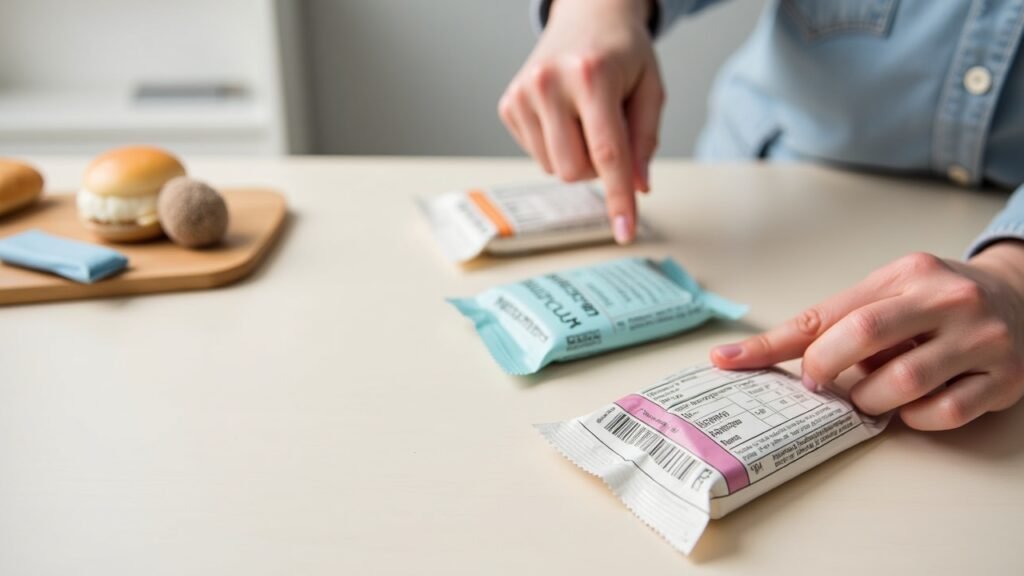
Okay, so this is embarrassing. For like two years, I was eating “healthy” granola every morning, feeling super proud of myself. The label said 150 calories per serving – not bad, right?
Wrong! Turns out the serving size was a measly quarter cup, and I was pouring out easily double or triple that amount. I was basically eating 450+ calories of what’s essentially sugar-coated oats before 8 AM.
The serving size is literally the first thing you need to check on any nutrition facts label. Everything else – calories, fat, protein – is calculated based on that specific amount. Once you start paying attention to this, you’ll realize how ridiculous some serving sizes are. Who eats just 12 chips?
Decoding the Percentages (They’re Actually Pretty Useful)
Those “% Daily Value” numbers used to confuse the hell out of me. But here’s the simple trick I learned from a nutritionist friend: anything under 5% is considered low, and anything over 20% is high.
So when you’re looking at nutrients you want more of – like fiber, vitamin D, or protein – you’re aiming for those higher percentages. For stuff you want to limit, like saturated fat or sodium, keep those percentages low. That’s it!
The daily values are based on a 2,000 calorie diet, which might not match your needs exactly. But it gives you a solid reference point for comparing products.
The Sugar Sneakiness I Wish Someone Had Told Me About Earlier
This one really ticked me off when I figured it out. Food companies are masters at hiding sugar content by using different names. We’re talking dextrose, maltose, corn syrup, fruit juice concentrate – the list goes on and on.
I once bought this “natural” protein bar that had barely any sugar listed at first glance. Then I checked the ingredients and found like five different types of sweeteners scattered throughout. Sneaky, right?
Now the added sugars line on labels helps a ton because it separates naturally occurring sugars from the stuff that’s dumped in during processing. The American Heart Association recommends no more than 25-36 grams of added sugar per day, which sounds like a lot until you realize one can of soda basically maxes that out.
Ingredient Lists Are Where the Real Story Lives
Here’s something most people don’t realize – ingredients are listed by weight, from most to least. So if sugar’s in the top three ingredients, you’re basically eating a sugar bomb no matter what the front of the package claims.
I used to buy this “whole grain” bread that had enriched wheat flour as the first ingredient. Turns out that’s just fancy talk for refined white flour with some vitamins sprinkled back in. Real whole grain bread should list whole wheat flour or whole grain flour first.
The ingredient list also helps you spot those weird additives and preservatives. Not all of them are bad, but if you can’t pronounce half the ingredients and the list reads like a chemistry textbook, maybe consider a simpler option.
My Quick Shopping Strategy That Actually Works
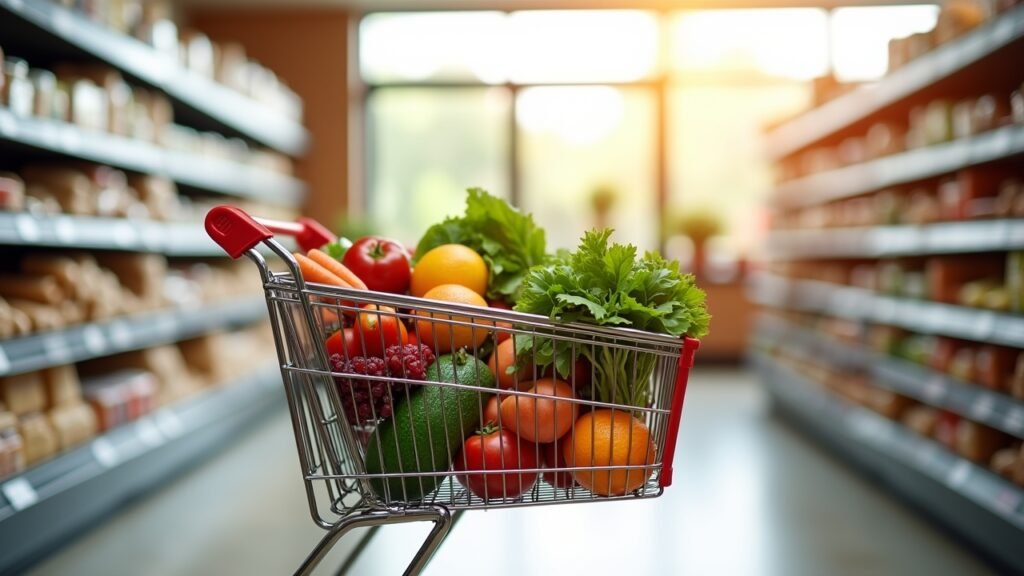
Look, I’m not gonna pretend I stand in the grocery store analyzing every single label like some kind of nutrition detective. Ain’t nobody got time for that! But I do have a system now.
First, I compare similar products side by side – like different brands of yogurt or cereals. Sometimes the differences are huge and the “healthier” looking package is actually worse. Then I focus on the nutrients that matter most for my goals: protein content, fiber, and keeping added sugars reasonable.
Also, don’t get too hung up on being perfect. Some days you’re gonna eat the potato chips with sketchy ingredients, and that’s totally fine. The goal is making better choices most of the time, not achieving nutritional perfection.
Your Label-Reading Journey Starts Now
Reading nutrition labels felt overwhelming at first, I’m not gonna lie. But after doing it for a few weeks, it became second nature – kind of like checking your phone notifications without thinking about it.
Start small. Maybe this week, just focus on checking serving sizes. Next week, add in looking at added sugars. Before you know it, you’ll be that person confidently comparing products in the grocery aisle, and trust me, it feels pretty good.
Want more practical tips on making healthier choices without losing your mind? Head over to Aerobic Atlas for tons of straight-shooting advice about nutrition, fitness, and actually enjoying the process. We keep it real, just like this conversation!