
Advertisements
Did you know that just 15 minutes of high-intensity interval training can burn more calories than jogging on a treadmill for an hour? I remember thinking that was complete BS when I first heard it. Like, how could working out for less time give better results? But after trying HIIT workouts for the first time about three years ago, I became a total convert!
HIIT training has completely changed how I approach fitness, and honestly, I wish someone had explained it to me earlier without all the intimidating gym-bro language. If you’re a beginner wondering whether high-intensity interval training is right for you, stick around because I’m gonna break down everything I learned the hard way so you don’t have to.
What Exactly Is HIIT Training Anyway?
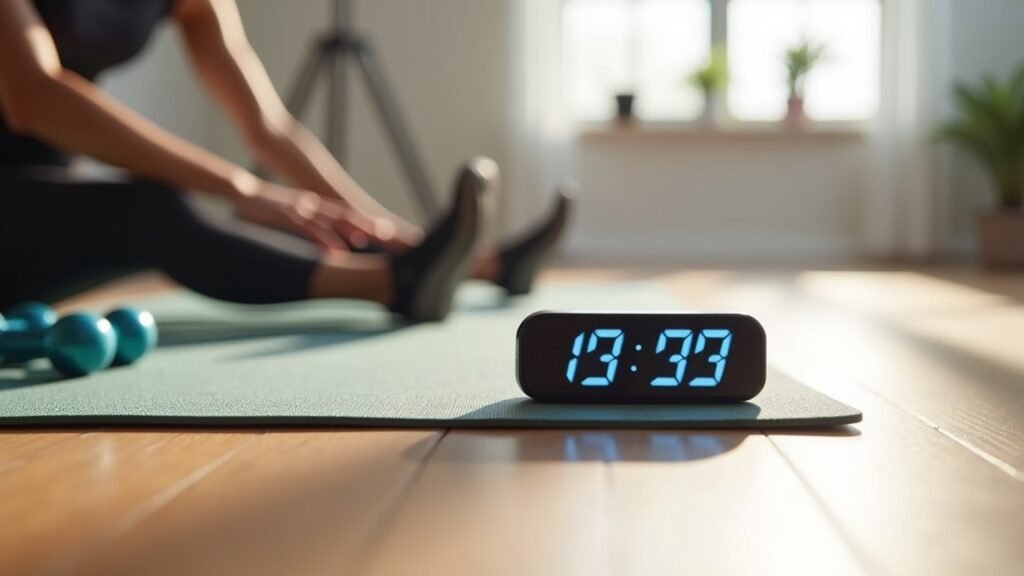
So here’s the deal. HIIT stands for High-Intensity Interval Training, which basically means you alternate between short bursts of intense exercise and brief recovery periods. Think of it like sprinting for 30 seconds, then walking for a minute, then repeating that cycle.
The beauty of interval training is that it keeps your heart rate elevated throughout the workout, which creates what’s called the “afterburn effect.” Your body continues burning calories even after you’ve finished exercising. Pretty cool, right?
When I started doing HIIT workouts, I made the rookie mistake of thinking I had to go all-out from day one. Spoiler alert: that was stupid. I could barely walk the next day, and my motivation tanked faster than my energy levels.
Why Beginners Should Consider HIIT Workouts
Look, I’m not gonna sugarcoat it – HIIT can be tough. But it’s also incredibly efficient for busy people like us who don’t have two hours to spend at the gym every day.
Here’s what got me hooked on cardiovascular interval training:
- You can complete an effective workout in 20-30 minutes
- It burns fat while preserving muscle mass
- You don’t need fancy equipment or a gym membership
- It improves both aerobic and anaerobic fitness
- The workouts are never boring because you can mix up the exercises
According to Harvard Health, HIIT can improve cardiovascular health just as effectively as traditional moderate-intensity continuous training, but in way less time. That’s a game-changer when you’re trying to balance work, family, and life in general.
Getting Started: My First HIIT Workout Disaster
Okay, so let me tell you about my first attempt at beginner HIIT. I found this workout on YouTube that promised “amazing results in just 15 minutes!” I was pumped.
The instructor started with burpees. Have you ever done a burpee? They’re basically a push-up combined with a jump, and they’re brutal. I managed maybe five before I felt like my lungs were gonna explode. The whole experience was pretty humbling, honestly.
Here’s what I learned from that disaster: start slower than you think you need to. Your body needs time to adapt to high-intensity exercise, especially if you’ve been mostly sedentary.

Building Your First HIIT Routine
After my initial failure, I got smart and actually researched proper beginner protocols. The American College of Sports Medicine recommends starting with a 2:1 rest-to-work ratio for beginners.
Here’s a simple formula that worked for me:
- Warm up for 5 minutes with light cardio (walking, easy cycling)
- Do 20 seconds of high-intensity exercise
- Rest or do low-intensity movement for 40 seconds
- Repeat for 10-15 minutes total
- Cool down for 5 minutes with stretching
The exercises I rotated through were super basic at first – jumping jacks, mountain climbers, high knees, and bodyweight squats. Nothing fancy, but it got my heart pumping.
Common Mistakes That’ll Wreck Your Progress
I’ve seen people (including past me) make some pretty dumb mistakes with HIIT training. The biggest one? Doing it every single day. Your body needs recovery time, period.
Another mistake was not listening to my body’s signals. There’s a difference between pushing yourself and actually hurting yourself. If something feels wrong – not just hard, but wrong – stop and reassess. That sharp pain in your knee isn’t gonna magically disappear if you ignore it.
Also, form matters more than speed. I used to rush through exercises just to finish faster, but that’s how injuries happen. Slow down, focus on proper technique, and the results will come.
Your HIIT Journey Starts Now
Listen, starting any new fitness routine can feel overwhelming, but HIIT training for beginners doesn’t have to be scary. Start with two sessions per week, give yourself permission to modify exercises, and remember that everyone starts somewhere.
The most important thing is consistency over intensity. It’s better to do a moderate HIIT workout three times a week than to go super hard once and then quit because you’re too sore or burned out.
Always check with your doctor before starting any new exercise program, especially if you have existing health conditions. And remember – this is YOUR journey, so customize these workouts to fit your fitness level and goals.
Ready to discover more ways to level up your fitness game? Head over to Aerobic Atlas for tons of practical workout tips, training guides, and real-talk advice from people who’ve been exactly where you are right now. Trust me, you’ll find something that clicks!