Advertisements
I’ll never forget the first time I tried tracking my macros. I downloaded this fancy app, stared at the screen for like twenty minutes, and honestly had no clue what I was supposed to do with all those numbers! It felt overwhelming, kind of like trying to learn a new language while someone’s rushing you.
But here’s the thing – tracking macros for beginners doesn’t have to be that complicated. Once I figured out the basics (after making plenty of mistakes), my whole relationship with food changed. I actually started seeing results instead of just guessing my way through meals and hoping for the best.
What Are Macros Anyway?
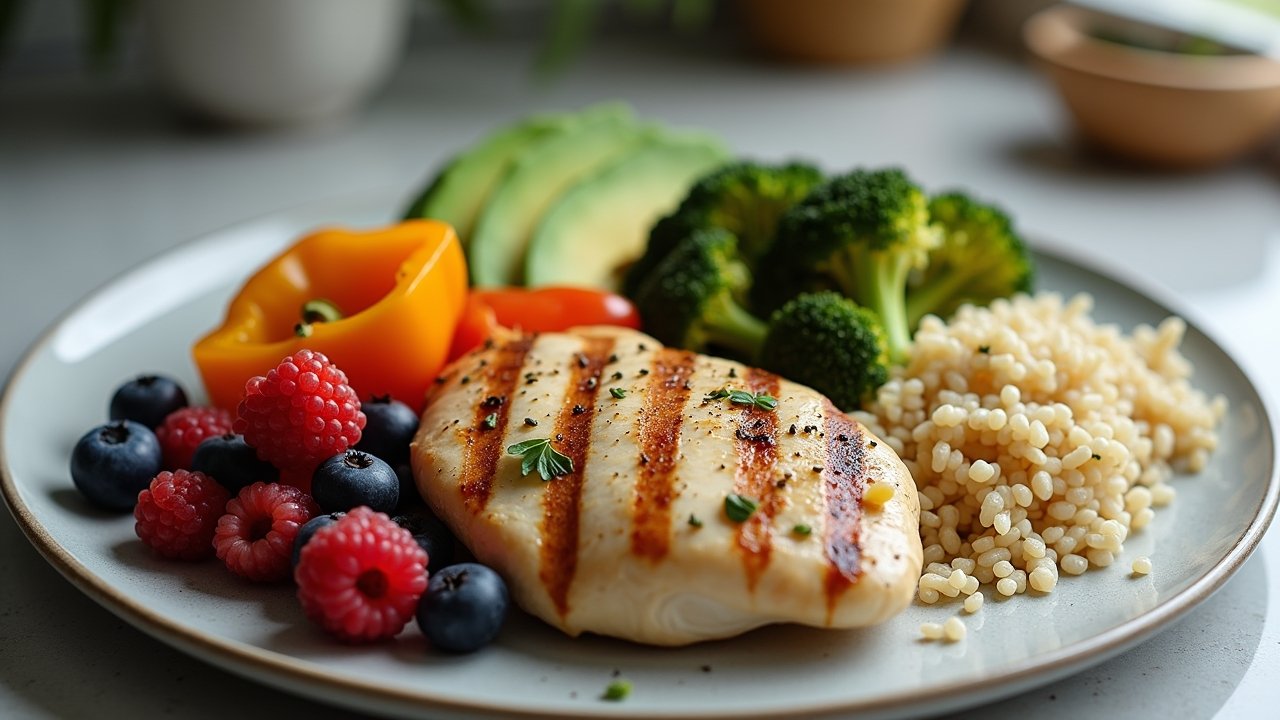
Okay, so macros are basically the big three: protein, carbohydrates, and fats. These macronutrients make up all the calories you eat throughout the day. Think of them as the building blocks of your diet – each one does something different for your body.
Protein helps build muscle and keeps you full. Carbs give you energy (yes, they’re not the enemy!). And fats help with hormone production and keeping your brain sharp.
I used to think calories were the only thing that mattered. Boy, was I wrong about that one.
Why Bother Tracking Macros?
You might be wondering if this whole macro tracking thing is worth the effort. Honestly, it depends on your goals. But for me, it was a total game-changer because I finally understood why I wasn’t losing weight even though I was “eating healthy.”
Turns out I was eating way too many carbs and not enough protein. My energy levels were all over the place, and I was hungry like an hour after meals. When I started counting macros, everything clicked into place.
According to Healthline’s guide on counting macros, tracking your macronutrients can help with weight loss, muscle gain, and even managing certain health conditions. It’s not just for bodybuilders anymore!
Getting Started: Calculate Your Numbers
First things first – you gotta figure out your personal macro goals. This isn’t a one-size-fits-all situation, which is actually pretty cool because it means your plan is customized for YOU.
Advertisements
I started with an online macro calculator (there’s tons of free ones out there). You’ll need to input stuff like your age, weight, height, activity level, and goals. The calculator spits out how many grams of protein, carbs, and fats you should aim for daily.
My first calculation was way off because I totally overestimated how active I was. Be honest with yourself here – it makes a huge difference!
Pick Your Tracking Method
Now comes the fun part – choosing how you’ll actually track everything. I’ve tried a bunch of different methods, and here’s what I learned:
- MyFitnessPal – Super popular and has a massive food database
- Cronometer – More accurate for micronutrients if you’re into that
- Lose It! – User-friendly interface that’s great for beginners
- Old-school pen and paper – Actually works if you’re not tech-savvy
I personally use MyFitnessPal because it’s free and pretty straightforward. The barcode scanner is clutch when you’re standing in your kitchen at 6 AM trying to log breakfast.
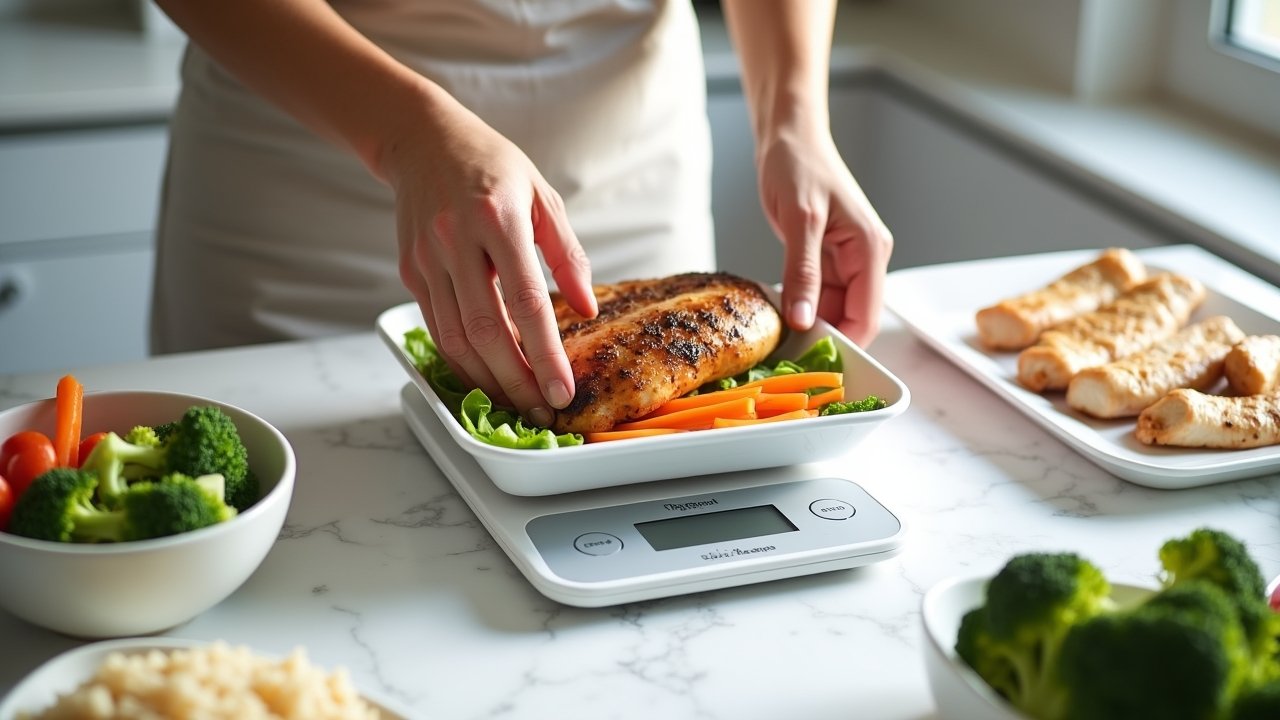
Weighing Food (Yeah, You’ll Need a Food Scale)
This is where I messed up big time at first. I was eyeballing portions and wondering why my results weren’t matching up with my efforts. Turns out, my “handful” of almonds was actually like three servings!
Get yourself a cheap digital food scale from Amazon or Target. They’re like fifteen bucks and totally worth it. You don’t have to weigh everything forever, but doing it for a few weeks teaches you what proper portions actually look like.
Pro tip: weigh things in grams instead of ounces. It’s way more accurate and most food labels list grams anyway.
Common Beginner Mistakes to Avoid
Let me save you some headaches by sharing the mistakes I made (so you don’t have to). First off, don’t try to be perfect right out of the gate. I drove myself crazy trying to hit my numbers exactly every single day, and it just wasn’t sustainable.
Another biggie? Forgetting to log cooking oils and condiments. Those calories add up fast! That “healthy” salad becomes way less healthy when you’re not accounting for the two tablespoons of olive oil dressing.
Also, be careful with restaurant meals. The nutritional information provided by restaurants can be pretty inaccurate. When I eat out now, I just do my best estimate and don’t stress too much about it.
Making It Work in Real Life
The biggest lesson I learned was that consistency beats perfection every single time. Some days you’ll nail your macros, other days you’ll be way off – and that’s totally okay!
I started meal prepping on Sundays, which made tracking so much easier during the week. When your food’s already portioned out and logged, you’re not making decisions when you’re tired and hungry (that’s when bad choices happen).
Give yourself permission to learn as you go. It took me like three months before tracking felt natural instead of being a chore. Now it’s just part of my routine, like brushing my teeth.
Your Macro Journey Starts Now
Look, tracking macros as a beginner might seem intimidating at first – trust me, I get it. But once you get the hang of it, you’ll have this amazing tool that helps you understand your body and reach your fitness goals. It’s like having a roadmap instead of just wandering around hoping you end up in the right place.