
Advertisements
Last summer, I nearly passed out during what was supposed to be a “quick” 5-mile run at noon. Yeah, not my brightest moment! The temperature had hit 94 degrees, and I’d figured since I was experienced, I’d be fine. Spoiler alert: heat exhaustion doesn’t care about your fitness level. That wake-up call taught me that summer fitness safety isn’t just some wimpy excuse to skip workouts – it’s actually the thing that keeps you working out consistently instead of ending up in the ER.
Understanding Heat-Related Risks During Exercise
Here’s the deal with exercising in hot weather. Your body temperature rises naturally when you work out, but throw summer heat into the mix and things get complicated fast. I learned this the hard way after my near-fainting disaster.
The main dangers are heat cramps, heat exhaustion, and heat stroke. Heat cramps are those painful muscle spasms you might feel during or after exercise – annoying but not life-threatening. Heat exhaustion is more serious, with symptoms like dizziness, nausea, and heavy sweating. Then there’s heat stroke, which is a genuine medical emergency where your body temp shoots above 104°F and you might stop sweating altogether.
Your body cools itself through sweating, but when it’s super humid outside, sweat doesn’t evaporate as well. This means your natural cooling system basically gets jammed up, which is why humidity can be more dangerous than just high temperatures alone.
Timing Your Outdoor Workouts Smartly
Okay, so this seems obvious now, but I used to exercise whenever I had free time. That often meant midday runs because that’s when my schedule cleared up. Big mistake!
The hottest part of the day is typically between 10 AM and 4 PM. I’ve switched to early morning workouts – like 6 AM or 7 AM – and honestly, it’s changed everything. The temperature is usually 15-20 degrees cooler, there’s less sun exposure, and the air quality tends to be better too.
If mornings don’t work for you, evenings after 6 PM are your next best bet. Just give the ground a chance to cool down a bit because that pavement holds heat like nobody’s business.
Hydration Strategies That Actually Work
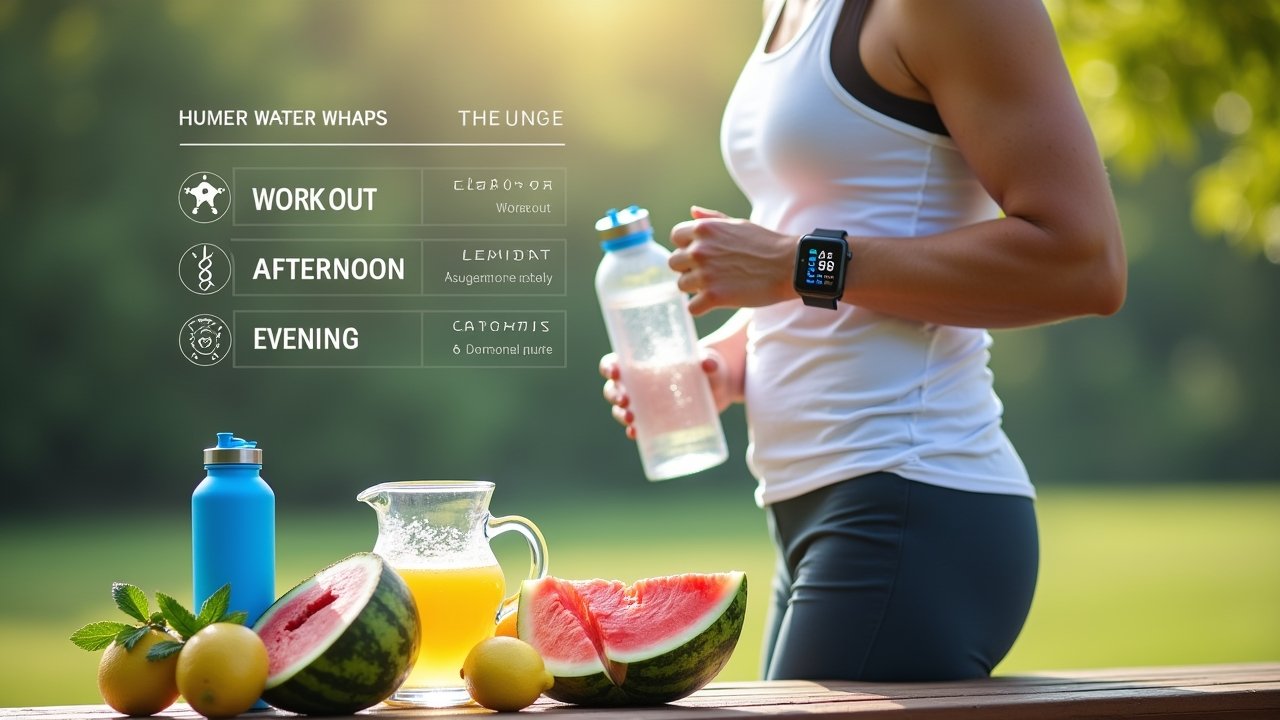
I used to think drinking water during my workout was enough. Wrong again! Proper hydration starts way before you lace up your sneakers.
Here’s what works for me now:
Advertisements
- Drink 16-20 ounces of water 2-3 hours before exercising
- Have another 8 ounces about 20 minutes before starting
- Sip 7-10 ounces every 10-20 minutes during your workout
- Rehydrate with 16-24 ounces for every pound lost through sweat after exercising
For workouts longer than an hour, plain water isn’t gonna cut it. You need to replace electrolytes too – sodium, potassium, magnesium. Sports drinks work, but so does coconut water or even just adding a pinch of salt to your water bottle (sounds weird, but it helps).
Choosing the Right Workout Clothes
Cotton feels comfy, but it’s terrible for summer workouts. I learned this after developing some nasty chafing during a humid July bike ride while wearing my favorite cotton t-shirt.
Moisture-wicking fabrics are where it’s at. They pull sweat away from your skin and help it evaporate faster. Look for synthetic materials like polyester or specially designed fabrics with cooling technology.
Light colors reflect heat better than dark ones – that’s just basic physics. And loose-fitting clothes allow air to circulate around your body, which helps with cooling. Also, don’t forget a hat or visor to shade your face, and wear sunscreen with at least SPF 30 on any exposed skin!
Recognizing Warning Signs and Adjusting Intensity
Your body will tell you when something’s wrong – you just gotta listen. That day I almost passed out, I’d been ignoring signals for like 20 minutes. Dizziness, headache, excessive fatigue – all red flags I pushed through stupidly.
Stop immediately if you experience any of these symptoms:
- Confusion or disorientation
- Nausea or vomiting
- Rapid heartbeat that doesn’t slow down
- Stopped sweating despite feeling extremely hot
- Muscle cramps that won’t go away
Don’t be a hero. It’s way better to cut a workout short than to end up needing medical attention. I now use the “talk test” – if I can’t hold a conversation without gasping, I’m pushing too hard for the conditions.
Smart Alternatives When It’s Too Hot
Some days are just too brutal for outdoor exercise, period. When the heat index climbs above 90°F, I’ve learned to have backup plans ready.
Indoor workouts are obvious – gyms, home exercise videos, swimming at an indoor pool. But you can also modify outdoor activities by choosing shaded trails instead of exposed paths, or doing water-based exercises like pool running or aqua aerobics.
Sometimes I’ll break up my workout into smaller chunks throughout the day when it’s cooler, rather than doing one long session. Flexibility is key to maintaining consistency without risking your health.
Keep Moving Safely All Summer Long
Summer fitness safety really comes down to respecting the heat and being smart about your approach. You can absolutely stay active during hot months – you just need to adjust your strategies and stay vigilant about the warning signs.
Everyone’s heat tolerance is different, so what works for your gym buddy might not work for you. Pay attention to how your body responds and don’t be afraid to dial things back when needed. Staying fit is a marathon, not a sprint (unless you’re actually sprinting, then it’s both, but