
Advertisements
Here’s something wild – did you know that studies show bodyweight training can be just as effective as lifting heavy weights at the gym? I was skeptical too, especially after spending three years paying for a gym membership I barely used. But man, once I discovered the power of calisthenics and no-equipment workouts, everything changed for me!
Look, I get it. The fitness industry wants you to believe you need fancy equipment, expensive memberships, and all sorts of complicated machines to get in shape. That’s total BS, honestly. Your own body is literally the best piece of equipment you’ll ever own, and it’s completely free.

My Personal Wake-Up Call
Let me tell you about the time I tried doing a simple push-up after months of “planning” to start working out. I face-planted on my living room floor after about three reps. THREE! My dog looked at me like I was absolutely pathetic, and you know what? She wasn’t wrong.
That embarrassing moment became my turning point. I realized I’d been overthinking fitness for years, waiting for the “perfect” time to join a gym or buy equipment. Meanwhile, my body strength had deteriorated to the point where basic movements felt impossible.
The Beauty of Bodyweight Training
Bodyweight exercises are movements that use your own body mass as resistance instead of external weights or machines. Think push-ups, squats, lunges, planks – all that good stuff our PE teachers made us do back in school (turns out they were onto something!).
What I love most about this type of training is the convenience factor. No commute to the gym, no waiting for equipment, and definitely no awkward locker room small talk. You can literally work out anywhere – your bedroom, a park, even a hotel room when you’re traveling.
Starting Simple (Because I Had To)
After my push-up disaster, I had to swallow my pride and start with the absolute basics. Here’s what worked for me, and trust me, if I could do it, anyone can.
- Wall push-ups: Yeah, I started by pushing against a wall like some kind of mime. But it built my upper body strength gradually without destroying my ego completely.
- Chair squats: I’d sit down and stand up from a chair repeatedly. Sounds silly, but it got my leg muscles firing again.
- Knee planks: Holding a regular plank was impossible at first, so I modified by keeping my knees on the ground.
The key is meeting yourself where you’re at, not where you think you should be. I made the mistake early on of trying to follow some intense bodyweight workout I found online, and I could barely move for three days afterward. Not smart.
Building Your Routine Without Overthinking It
One thing I learned through trial and error (mostly error) is that consistency beats intensity every single time. I used to think I needed these killer hour-long sessions to see results, but that just led to burnout and giving up.
Now I do about 20-30 minutes most days, focusing on compound movements that work multiple muscle groups. My typical week includes variations of squats for lower body, different types of push-ups for upper body, and core exercises like mountain climbers and bicycle crunches. Nothing fancy, but it works.
Here’s a practical tip that changed everything for me: I linked my workouts to existing habits. Every morning after I brush my teeth, I drop and do a quick bodyweight circuit. It became automatic after a few weeks, kinda like muscle memory but for your schedule.
The Progression Principle
The cool thing about bodyweight training is there’s always a harder variation to try. Once regular push-ups got easier, I moved to decline push-ups with my feet elevated. When bodyweight squats felt too easy, I switched to pistol squats (single-leg squats that still kick my butt, honestly).
This concept of progressive overload keeps things interesting and ensures you’re continually challenging your muscles. Your body adapts pretty quickly, so you gotta keep switching things up to see continued gains in strength and endurance.
My Biggest Mistakes (So You Don’t Repeat Them)
I’ve made plenty of dumb moves on this journey. Skipping warm-ups was probably the worst – I pulled something in my shoulder once because I jumped straight into exercises without preparing my muscles. Now I always do at least five minutes of dynamic stretching and light cardio beforehand.
Another mistake? Ignoring form for reps. I used to rush through movements just to hit a certain number, but sloppy form can lead to injuries and isn’t even effective for building strength. Quality over quantity, always.
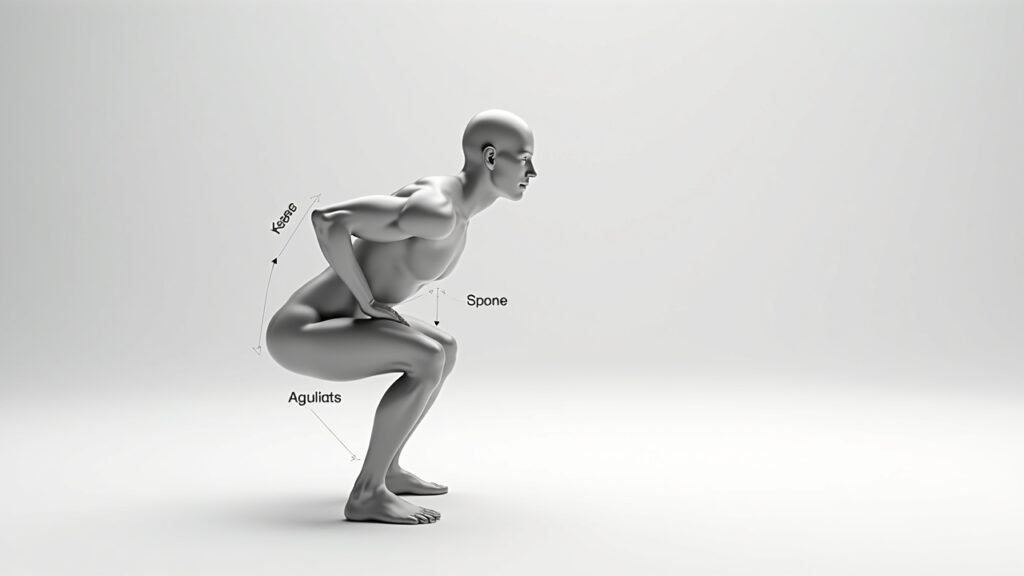
Your Body, Your Gym
The beauty of this whole approach is that it’s completely customizable to your life and fitness level. You don’t need to follow anyone’s rigid program or compare yourself to those Instagram fitness influencers doing crazy advanced moves. Start where you are, progress at your own pace, and listen to your body when it needs rest.
Remember, even modified exercises count. There’s no shame in making movements easier – that’s actually being smart about training. The only bad workout is the one that injures you or the one you don’t do at all.
If you found this helpful and want to explore more ways to improve your fitness journey without breaking the bank or your spirit, head over to Aerobic Atlas for tons of practical advice on staying active and healthy. We’re all figuring this stuff out together, one push-up at a time!