
Advertisements
So there I was, standing in my kitchen at 6 AM, chugging down my usual post-workout shake when my stomach decided to stage a full rebellion. I’d been doing this for months – same routine, same results: bloating, feeling sluggish, and honestly wondering if this whole “getting enough protein” thing was even worth it. Turns out, my body was basically screaming at me to ditch the dairy and go plant-based. Who knew?
Here’s something wild: about 39% of Americans are now actively trying to eat more plant-based foods, and protein is like the main character in that story. Whether you’re dealing with lactose issues like me, trying to be kinder to the planet, or just curious about mixing things up, plant based protein isn’t just some trendy thing anymore – it’s legit become a cornerstone of how tons of people fuel their bodies in 2026.
Why I Actually Made the Switch (And It Wasn’t What You Think)
Let me be real with you. I didn’t go plant-based because I’m some super disciplined health nut. Nope! My transition happened because my gut was basically staging daily protests against whey protein, and I was tired of feeling like garbage after every workout.
The cool thing about plant protein sources is they come with bonus features – I’m talking fiber, antioxidants, and vitamins that animal proteins just don’t pack. When I started mixing in foods like lentils, hemp seeds, and chickpeas into my meals, my energy levels went through the roof. My recovery time improved too, which honestly shocked me.
Plus, there’s the whole environmental angle. I’m not gonna preach, but producing plant proteins uses way less water and creates fewer greenhouse gas emissions than animal-based options. That’s just facts.
My Biggest Rookie Mistakes (So You Don’t Have To Make Them)
Oh man, I screwed up so many times when I first started! The biggest blunder? Thinking all plant proteins were complete proteins. They’re not, and I learned that the hard way when I felt constantly tired despite eating what I thought was “enough” protein.
Here’s the deal: most plant proteins are missing one or more essential amino acids. Quinoa, soy, and buckwheat are the exceptions – they’re complete proteins all on their own. But for everything else, you gotta get creative and combine different sources throughout the day.
I also made the mistake of not tracking my intake at first. Turns out, I was barely getting half of what my body needed! Most active adults need around 0.8 to 1 gram of protein per kilogram of body weight daily, and athletes might need even more.
The Plant Protein All-Stars That Actually Taste Good
Let me share my go-to sources that don’t taste like cardboard:
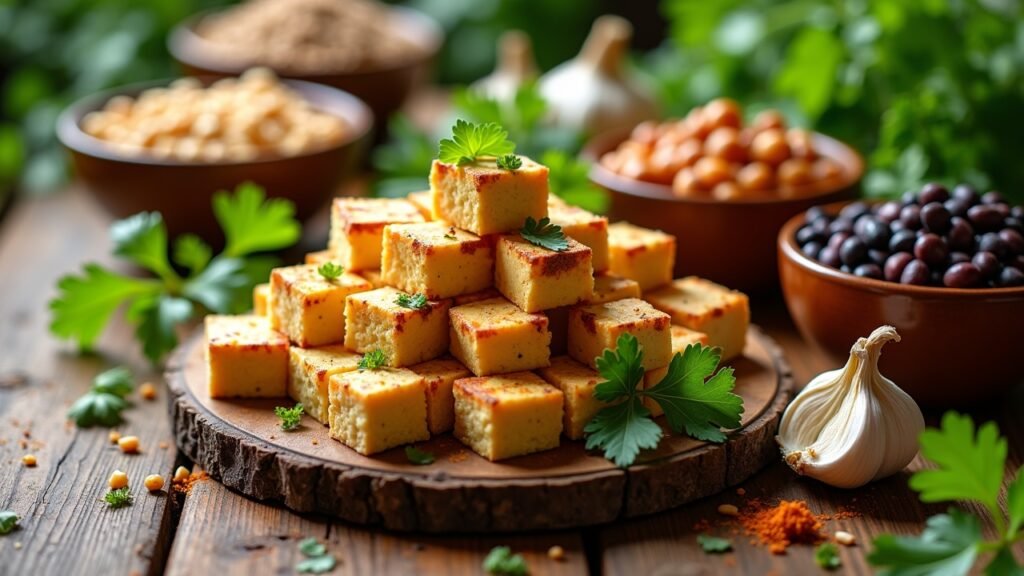
- Tempeh: This fermented soy product was a game-changer for me. It’s got about 31 grams of protein per cup and actually has flavor, unlike its boring cousin tofu.
- Edamame: These little green pods are perfect for snacking. One cup delivers 17 grams of protein, and they’re kinda addictive if I’m being honest.
- Nutritional yeast: Sounds weird, tastes amazing. Two tablespoons give you 8 grams of protein plus B vitamins. I sprinkle this stuff on everything.
- Spirulina: Okay, this one took some getting used to. It’s an algae (yeah, I know), but it’s 60-70% protein by weight. I mix it into smoothies where I can’t taste it as much.
- Peanut butter: Classic for a reason. Two tablespoons pack 8 grams of protein, though watch out because it’s calorie-dense.
I’ve found that variety is key. Eating the same thing every day gets old fast, and your body benefits from different amino acid profiles anyway.
Making It Actually Work In Real Life
The transition isn’t gonna happen overnight, and that’s totally fine. I started by swapping out one meal at a time. Breakfast was easiest for me – I’d blend up a smoothie with pea protein powder, frozen berries, spinach (you can’t even taste it), and almond milk.
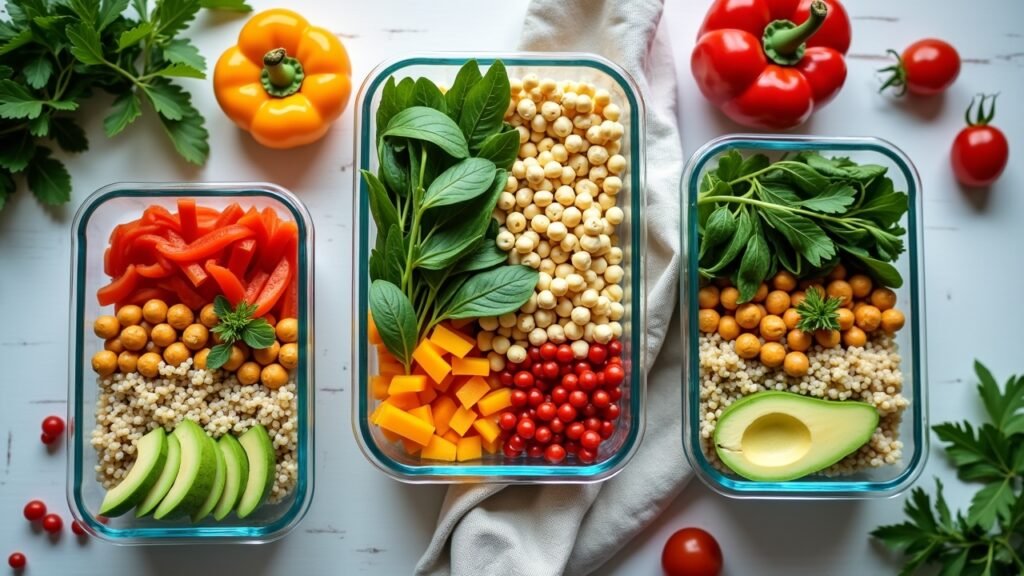
Meal prep became my best friend. Every Sunday, I’d cook a big batch of beans, roast some chickpeas for snacking, and prep some tofu marinade. Having stuff ready to go meant I wasn’t tempted to fall back on old habits when I got hungry.
One thing that really helped was finding plant-based versions of foods I already loved. There are some killer veggie burgers out there now that actually satisfy that craving for something hearty and filling. Black bean burgers, particularly, became a weekly staple at my house.
Your Plant Protein Diet Begins Today
Look, switching to plant based protein doesn’t mean you have to go all-in tomorrow or label yourself as anything specific. Maybe you start with Meatless Mondays, or perhaps you just swap your afternoon Greek yogurt for a handful of almonds and some hummus. The point is finding what works for YOUR body and YOUR lifestyle.
Everyone’s protein needs are different based on activity level, age, and health goals, so don’t be afraid to experiment and see what makes you feel best. And yeah, maybe talk to a nutritionist if you’re making major dietary changes – I wish I’d done that sooner instead of just winging it!
Ready to explore more ways to optimize your health and fitness journey? Head over to Aerobic Atlas where we’ve got tons of practical guides, real-talk reviews, and evidence-based tips to help you navigate everything from nutrition to workout routines. Trust me, there’s a whole community of folks figuring this stuff out together, and we’d love to have you along for the ride!