
Magnesium for Recovery: The Mineral That Changed My Workout Game
Advertisements
Did you know that nearly 50% of Americans don’t get enough magnesium from their diet? I was definitely one of them — and I had no clue it was wrecking my recovery. Sore muscles, bad sleep, constant fatigue… I thought I was just training too hard. Turns out, I was just missing one key mineral.
Magnesium for recovery is a topic that doesn’t get nearly enough attention in the fitness world. We talk about protein shakes and ice baths all day long, but this humble mineral quietly does some of the heaviest lifting behind the scenes. Let me break it down for you like I wish someone had done for me.
What Does Magnesium Actually Do for Your Body?
Okay, so here’s the deal. Magnesium is involved in over 300 biochemical reactions in the human body. That’s not a typo — three hundred. It plays a role in muscle contraction, protein synthesis, nerve function, and energy production. Basically, it’s everywhere.
When you work out, your body burns through magnesium fast. Sweating alone can deplete your levels significantly, and if you’re not replenishing it, your muscles are literally struggling to recover properly. I noticed this firsthand after a brutal leg day — my cramps were so bad I could barely walk the next morning.
Magnesium and Muscle Recovery: Here’s the Science
One of the biggest things magnesium does is help reduce muscle soreness and inflammation after exercise. It works by regulating calcium in your muscle cells, which controls how your muscles contract and relax. Without enough magnesium, muscles stay in a kind of tense, semi-contracted state. And yeah, that hurts.
There’s also solid research suggesting that magnesium improves sleep quality, which is where the real recovery magic happens. Better sleep means better muscle repair, better hormone regulation, and better performance the next day. It’s honestly a chain reaction — fix the magnesium, fix the sleep, fix the recovery.
How I Personally Use Magnesium for Recovery
I’ll be honest — I tried magnesium supplements for the first time kind of by accident. A friend tossed me a bottle of magnesium glycinate and said “just try it.” I was skeptical, but within two weeks my sleep was noticeably deeper and my post-workout soreness was way more manageable. Game changer, for real.
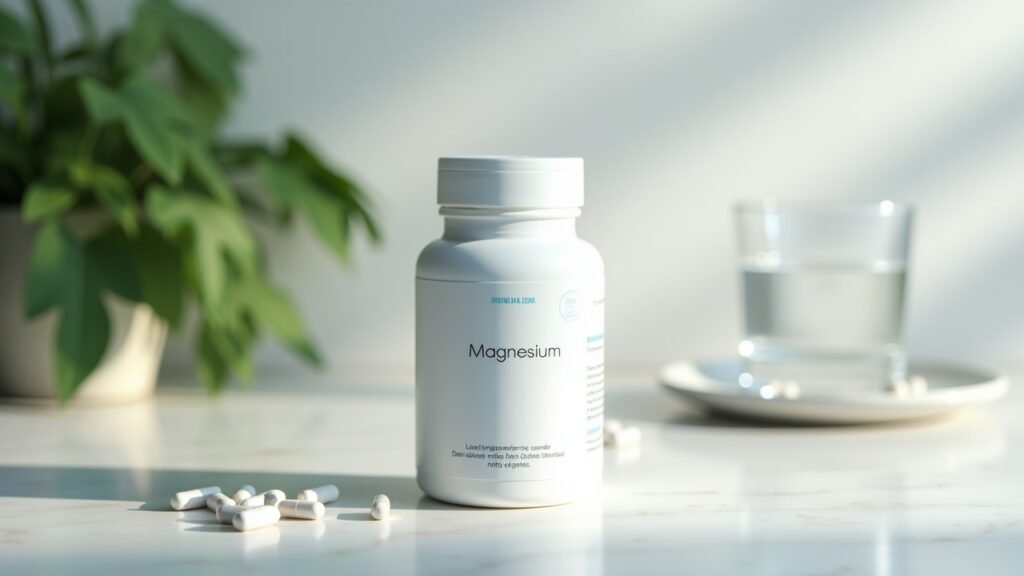
Now, I take magnesium glycinate every night before bed — usually around 300-400mg. I also try to eat magnesium-rich foods throughout the day, like:
- Spinach and leafy greens
- Pumpkin seeds
- Dark chocolate (yes, really!)
- Almonds and cashews
- Black beans
Combining food sources with a supplement has been the sweet spot for me. But everyone’s body is a little different, so you might need to experiment a bit.
Which Form of Magnesium Is Best for Recovery?

Not all magnesium supplements are created equal — this is something I learned the hard way. I once bought a cheap magnesium oxide supplement, and let’s just say… my stomach was NOT happy. That form has poor absorption and can cause digestive issues.
For recovery specifically, here are the forms worth knowing about:
- Magnesium glycinate — Best for sleep and muscle recovery, gentle on the stomach
- Magnesium citrate — Good absorption, also helps with constipation (bonus!)
- Magnesium malate — Great for energy and reducing muscle soreness
- Magnesium threonate — Promising for brain and cognitive function
Most fitness folks I know swear by magnesium glycinate for post-workout recovery. It’s well-absorbed and doesn’t mess with your gut. Start there if you’re unsure.
Signs You Might Be Deficient
This part is important. Magnesium deficiency can sneak up on you. Some common signs include frequent muscle cramps, trouble sleeping, fatigue, irritability, and even irregular heartbeat in more severe cases. Sound familiar? I had like four of those symptoms before I connected the dots.
If you’re an athlete or someone who trains regularly, your risk of deficiency is even higher. Stress and alcohol consumption can also drain your magnesium levels, so keep that in mind too.
Ready to Recover Smarter?
Magnesium for recovery isn’t just a trend — it’s backed by real science and real results. Whether you’re a weekend warrior or training daily, making sure your magnesium levels are dialed in can genuinely transform how your body bounces back. Start with your diet, consider a quality supplement, and pay attention to how your body responds. Everybody is different, and what works for me might need a little tweaking for you.
One small heads-up though — always talk to your doctor before starting any new supplement, especially if you have kidney issues or take medications. Safety first, always.
If you found this helpful, there’s a whole lot more where that came from! Head over to Aerobic Atlas and explore other posts packed with practical fitness and health tips. Your best recovery is just one read away!