Advertisements
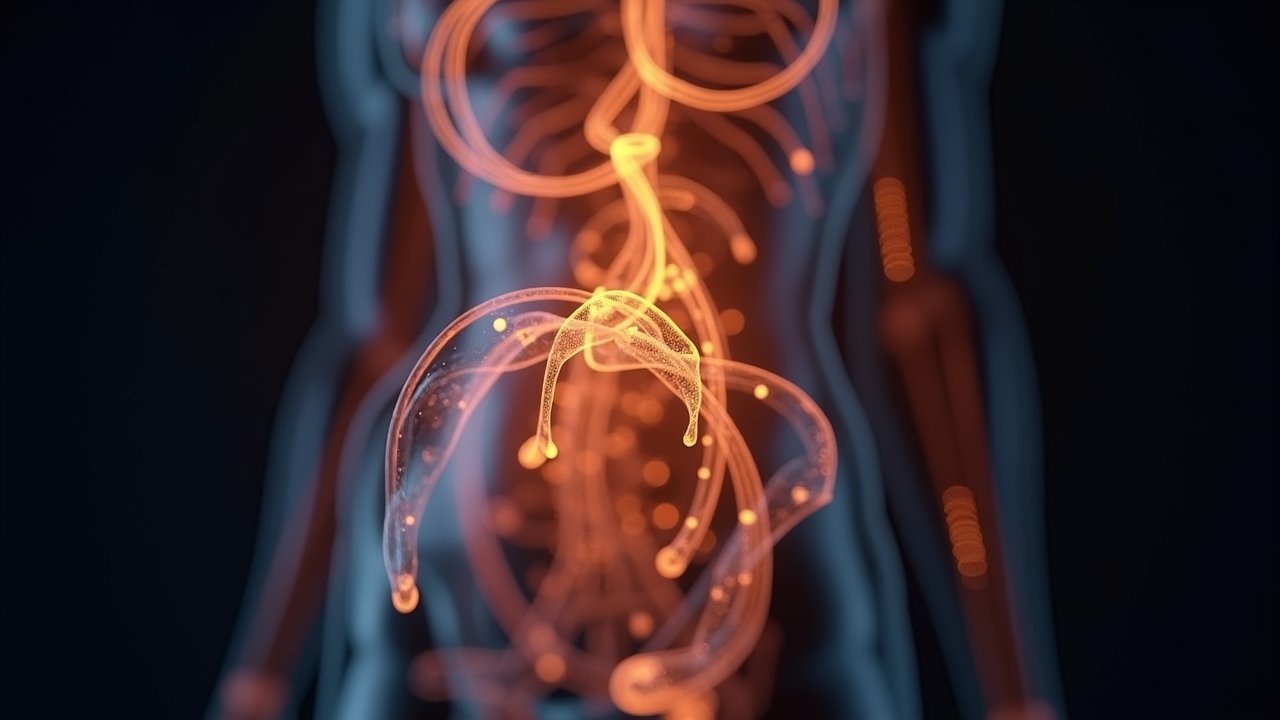
Did you know that your body has a drainage system that works 24/7 to flush out toxins, reduce swelling, and keep your immune system running strong? I didn’t either — not until I started dealing with some pretty gnarly post-workout puffiness in my legs that just wouldn’t quit. That’s when I fell down the rabbit hole of lymphatic drainage benefits, and honestly? It changed the way I think about recovery and wellness altogether.
What Is Lymphatic Drainage, Anyway?
So here’s the deal. Your lymphatic system is basically your body’s built-in waste management crew. It’s a network of tissues, organs, and vessels that move lymph fluid through your body, carrying away waste, bacteria, and other unwanted stuff. Unlike your cardiovascular system, the lymphatic system doesn’t have a pump like the heart — it relies on movement, breathing, and muscle contractions to keep things flowing.
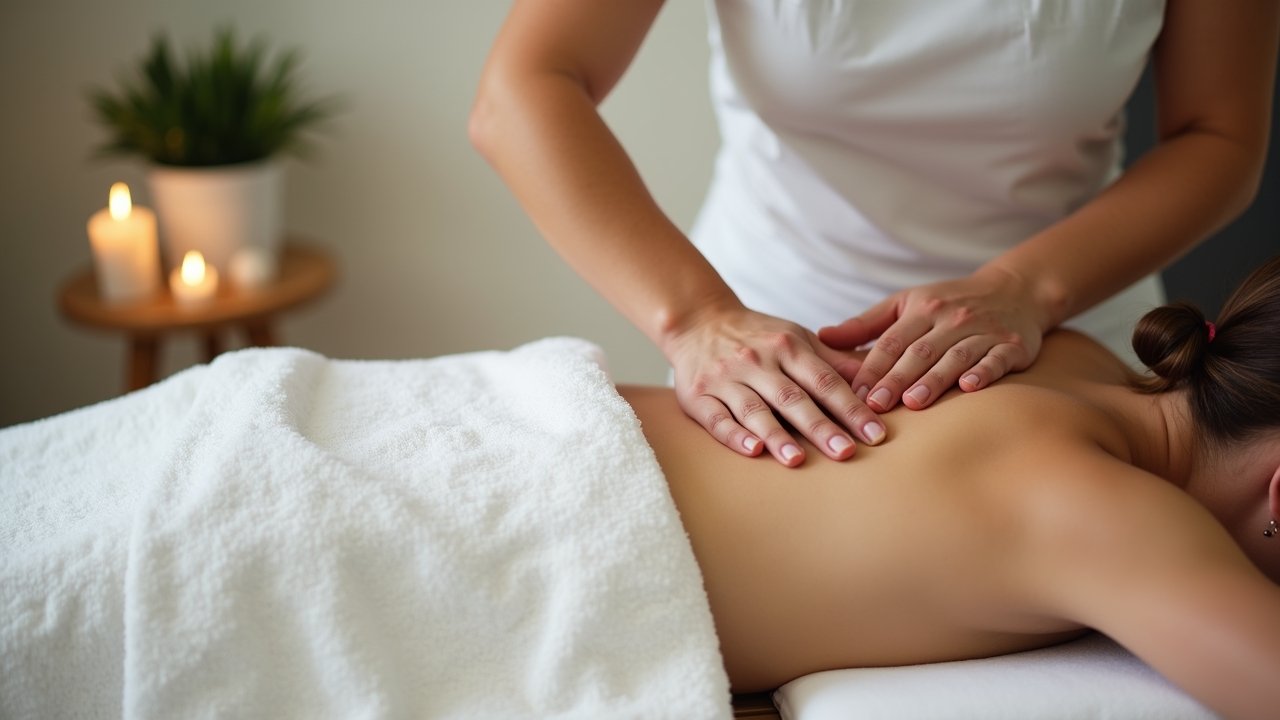
Lymphatic drainage is a gentle massage technique designed to stimulate this system and encourage proper fluid movement. It was originally developed by Danish physicians Emil and Estrid Vodder in the 1930s, and it’s been gaining serious mainstream attention ever since. Think of it like unclogging a slow drain in your bathroom sink — once things start moving, everything just works better.
The Real Lymphatic Drainage Benefits You Should Know
1. Reduces Swelling and Water Retention
This one hit close to home for me. After long runs, my ankles used to swell up like little balloons. A physical therapist suggested I try manual lymphatic drainage, and within a few sessions, the difference was noticeable. Lymphedema relief and reduction of edema are among the most well-documented benefits of this technique, especially for people recovering from surgery or injury.
2. Supports Immune System Function
Your lymph nodes are basically the security guards of your immune system — they trap and destroy harmful invaders. When lymph flow is sluggish, those guards get overwhelmed. Regular lymphatic massage helps keep fluid moving so your immune response stays sharp and efficient. According to Medical News Today, stimulating lymph flow may enhance the body’s natural defense mechanisms.
3. Speeds Up Post-Workout Recovery
Okay, this one is a game-changer for fitness folks. After intense exercise, metabolic waste and lactic acid build up in your muscles — and that’s a big part of why you feel sore. Lymphatic drainage helps clear that waste faster, which means less soreness and quicker recovery times. I started incorporating a simple self-drainage routine after leg day, and I’m not exaggerating when I say it cut my recovery time noticeably.
4. Promotes Relaxation and Reduces Stress
There’s something almost meditative about lymphatic drainage massage. The slow, rhythmic movements activate the parasympathetic nervous system — that’s your “rest and digest” mode — which helps lower cortisol levels and promote deep relaxation. It’s not just about the physical body, it’s genuinely calming for the mind too.
5. Improves Skin Health and Reduces Puffiness
Ever notice that puffy, dull-looking skin after a bad night’s sleep or too much sodium? That’s often stagnant fluid hanging around where it shouldn’t be. Facial lymphatic drainage has become super popular for exactly this reason — it helps reduce that morning puffiness and gives skin a healthier, more radiant appearance. Tools like gua sha stones and facial rollers are often used to mimic these effects at home.
Advertisements
Simple Ways to Support Your Lymphatic System Daily
- Stay hydrated — lymph fluid is mostly water, so dehydration literally slows it down.
- Move your body — even a 20-minute walk helps stimulate lymph flow significantly.
- Try dry brushing — light skin brushing before a shower can encourage drainage near the surface.
- Practice deep breathing — diaphragmatic breathing creates pressure changes that push lymph through vessels.
- Consider professional massage — a certified lymphatic drainage therapist can target specific areas of concern.
Your Body Will Thank You
Look, I’m not here to tell you lymphatic drainage is some magic cure-all. But the science behind it is solid, and the personal benefits I’ve experienced — less swelling, faster recovery, clearer skin — are hard to argue with. As with any wellness practice, it’s worth talking to your doctor first, especially if you have heart conditions, active infections, or blood clots, since drainage massage isn’t recommended in those cases.
Take what resonates with you, try the simple daily habits first, and see how your body responds. Everyone’s system is a little different, so be patient and curious about what works for yours. And if you’re hungry for more practical wellness and fitness content, head over to Aerobic Atlas — there’s a whole library of posts there to help you move, recover, and feel your absolute best.