
Advertisements
Here’s a wild stat for you: nearly 70 million Americans struggle with sleep disorders, and honestly, I used to be one of them! I’d lie there staring at the ceiling like some kind of insomniac zombie, wondering why my brain wouldn’t just shut off already. If you’ve ever found yourself doom-scrolling at 2 AM or counting sheep until you lose track (I got to 847 once, no joke), then you know exactly what I’m talking about.
Sleep quality matters way more than most people realize. It’s not just about feeling groggy the next day—poor sleep messes with everything from your immune system to your mood to your ability to remember where you put your keys.
The Temperature Thing That Changed Everything
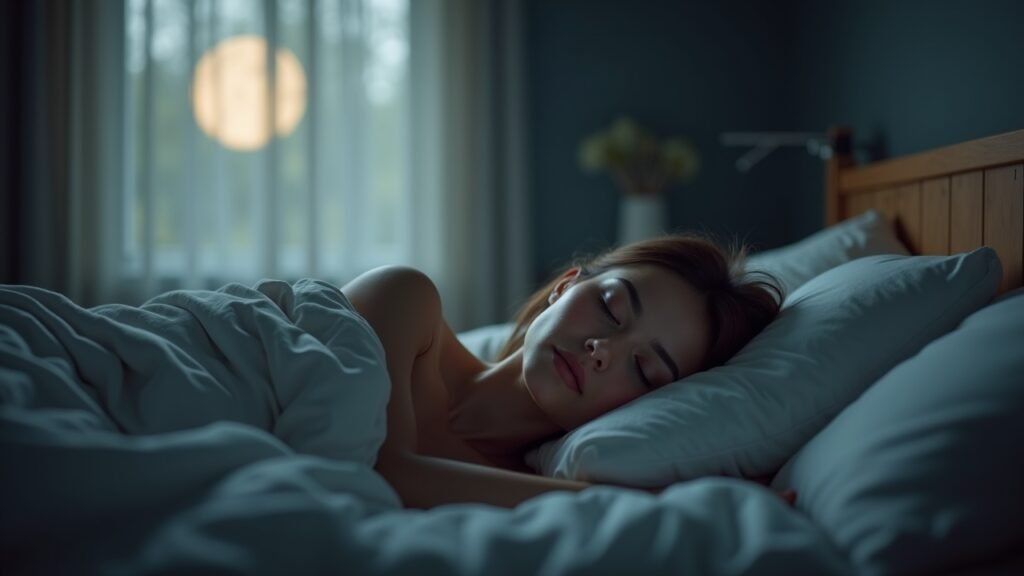
So here’s something I stumbled upon totally by accident. One summer night, my AC went haywire and turned my bedroom into basically an icebox. And guess what? I slept like a baby.
Turns out, your body temperature naturally drops when you’re ready to sleep. Keeping your bedroom between 60-67°F helps trigger this process, according to the Sleep Foundation. I know that sounds cold, but trust me on this one. Now I crank the thermostat down every night, and my sleep quality improved dramatically within like a week.
If you’re worried about the energy bill (I was!), just get some good blankets. The cool air on your face with a warm comforter is actually the perfect combo.
My Blue Light Disaster and How I Fixed It
Let me tell you about my biggest sleep mistake. For years, I’d watch Netflix on my iPad right before bed—we’re talking with the screen maybe six inches from my face. Then I’d wonder why I couldn’t fall asleep for another hour!
Blue light from screens suppresses melatonin production, which is basically your body’s “time for bed” signal. The fix? I started using blue light blocking glasses after 8 PM, and honestly, I felt kinda silly at first wearing these orange-tinted things around the house. But they work.
Even better, I moved my phone charging station to the bathroom. Out of sight, out of mind, you know?
The Caffeine Cutoff Rule I Wish I’d Known Earlier
Okay, this one hurt. I used to drink coffee at like 4 PM without thinking twice about it. Big mistake. Huge.
Caffeine has a half-life of about 5-6 hours, meaning half of it is still in your system way longer than you’d think. Now I stick to my last cup by noon, and occasionally I’ll have a decaf in the afternoon if I’m really craving that coffee ritual. The Mayo Clinic backs this up—they recommend stopping caffeine at least 6 hours before bedtime.
Some people can handle it better than others, but if you’re struggling with sleep, try pushing your coffee cutoff earlier and earlier until you find your sweet spot.
Creating a Wind-Down Routine That Actually Works
For the longest time, I’d go from watching intense action movies to expecting my brain to just switch off instantly. Yeah, that didn’t work out so great!
Now I’ve got this whole routine thing going. About an hour before bed, I dim all the lights in my house (bright lights are another melatonin killer). Then I’ll do something chill—maybe read a book, do some light stretching, or listen to a boring podcast about like, the history of concrete or something.
The key is consistency. Your brain starts to recognize the pattern, and it’s like “oh, we’re doing the bedtime thing now.” It took me about two weeks before it really clicked, but man, was it worth the effort.
The Exercise Timing Mistake Everyone Makes
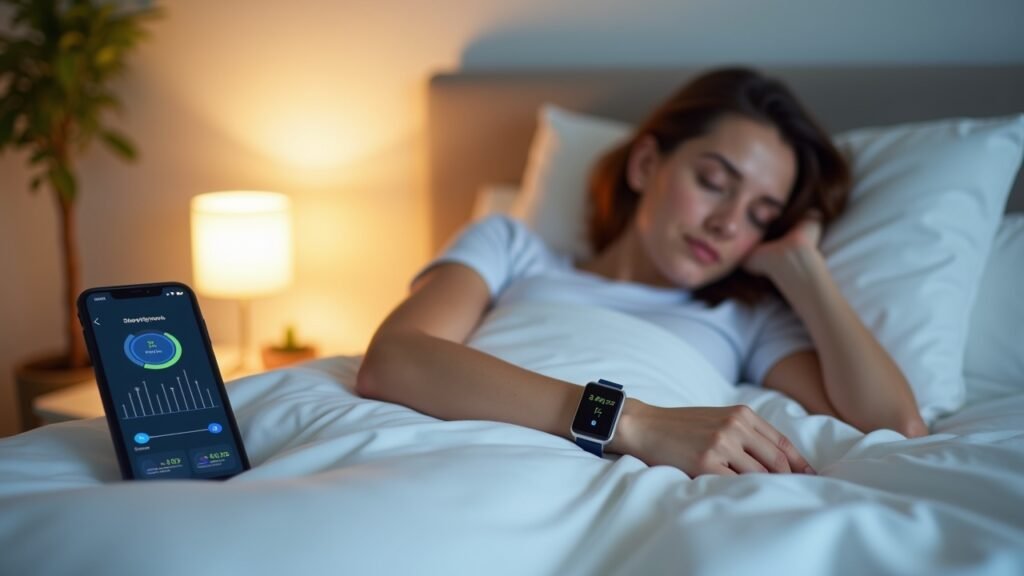
I used to hit the gym at 9 PM thinking I’d tire myself out for better sleep. Wrong! Vigorous exercise raises your core body temperature and gets your adrenaline pumping—basically the opposite of what you want before bed.
Now I exercise in the morning or early afternoon, and it’s made a noticeable difference. If evening is your only option, try to finish at least 3-4 hours before bedtime. Or do something gentle like yoga or stretching instead of an intense HIIT workout.
Your Sleep Sanctuary Awaits
Look, improving your sleep quality isn’t rocket science, but it does take some intentional changes. The temperature thing, ditching screens before bed, watching your caffeine timing—these aren’t just random tips I’m throwing at you. They’re things that genuinely worked for me after years of tossing and turning.
Everyone’s different, so experiment with what works best for your body and lifestyle. Maybe you’ll find that blackout curtains make a huge difference, or perhaps a white noise machine becomes your new best friend. The important thing is to start somewhere and stick with it for at least a couple weeks before deciding it’s not working.
Want more tips on living a healthier, more balanced life? Head back to Aerobic Atlas and check out our other articles on wellness, fitness, and making small changes that lead to big results. Your best sleep is waiting for you—you just gotta go get it!