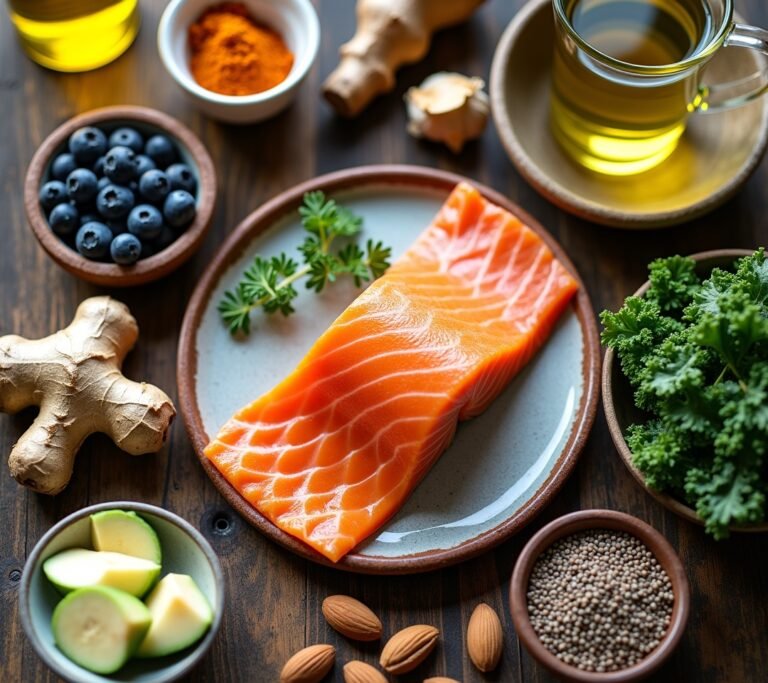
Gut Health Foods: What I Wish I Knew Sooner
Advertisements
Did you know that roughly 95% of your body’s serotonin is produced in your gut? Yeah, that blew my mind too. I used to think gut health was just about avoiding a stomachache after eating too much pizza — turns out, it’s way bigger than that!
Your gut affects everything. Your mood, your energy, your immune system — all of it is connected to what’s going on in your digestive tract. Once I started paying attention to the right gut health foods, honestly, I felt like a different person.
Why Your Gut Microbiome Actually Matters
So here’s the thing. Your gut is home to trillions of bacteria, fungi, and microorganisms — collectively called the gut microbiome. These little guys help digest food, fight off bad bacteria, and regulate your immune response. When they’re happy, you’re happy. Simple as that.
I learned this the hard way after a round of antibiotics a few years back. My digestion was a mess for months. It wasn’t until I started intentionally eating probiotic-rich and prebiotic foods that things finally started to normalize. Lesson learned — the hard, bloated way.
The Best Gut Health Foods to Add to Your Diet
Alright, let’s get into the good stuff. These are the foods that have genuinely made a difference for me, and they’re backed by science too.
Fermented Foods
Fermented foods are basically nature’s probiotics. They’re packed with live cultures that replenish the beneficial bacteria in your gut. My personal favorites include:
- Yogurt — Go for plain, unsweetened versions with live active cultures. Greek yogurt is a great option.
- Kefir — Think drinkable yogurt, but even more potent in terms of probiotic content.
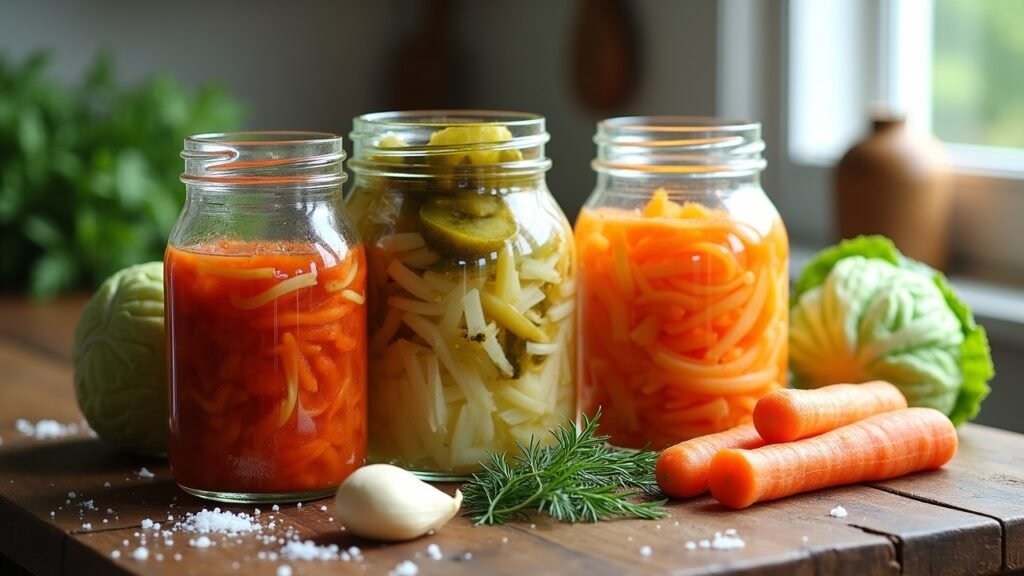
- Kimchi and Sauerkraut — Fermented cabbage dishes that are honestly an acquired taste, but worth it.
- Miso — A fermented soybean paste that works beautifully in soups and marinades.
I’ll be real — sauerkraut smelled weird to me at first. But once I started adding a spoonful to my meals a few times a week, the bloating I dealt with after dinner basically disappeared.
High-Fiber Foods (Prebiotics)
Probiotics need fuel to thrive, and that fuel comes from prebiotic foods — basically, dietary fiber that feeds the good bacteria. Without enough fiber, even the best probiotic supplements won’t do much. Think of prebiotics as the fertilizer for your gut garden.
- Garlic and onions — Cheap, flavorful, and incredibly gut-friendly.
- Bananas — Especially slightly underripe ones, which are higher in resistant starch.
- Oats — A morning staple that does double duty for your gut and your heart.
- Legumes — Beans, lentils, chickpeas. Yes, they might make you a little gassy at first. Push through it.
Bone Broth
Bone broth has been having a moment, and honestly? It deserves the hype. It’s rich in collagen and gelatin, which can help repair the gut lining — super important if you’re dealing with leaky gut or inflammation. I started sipping on a cup in the mornings instead of a second coffee, and it’s been a surprisingly solid swap.
Leafy Greens
Spinach, kale, arugula — these are loaded with fiber and nutrients that support a diverse microbiome. Diversity in your gut bacteria is key. The more varied your plant intake, the better.
A Few Things Worth Keeping in Mind

Here’s a gentle reminder though — everyone’s gut is different. What works wonders for me might cause issues for someone else, especially if you have conditions like IBS or Crohn’s disease. Always a good idea to check in with a healthcare professional before making major dietary changes. Better safe than sorry, right?
Also, don’t expect overnight miracles. Gut health is a long game. Consistency matters way more than perfection here.
Your Gut Will Thank You Later
Taking care of your gut health isn’t some trendy wellness fad — it’s genuinely one of the most impactful things you can do for your overall wellbeing. Start small. Add a serving of yogurt here, swap a snack for some oats there. Over time, those small changes add up to something really meaningful.
Feel free to mix and match these gut health foods based on what works for your lifestyle and taste buds. There’s no one-size-fits-all approach, and that’s actually kind of great. You’ve got options!
If you found this helpful and want to keep exploring topics like nutrition, fitness, and healthy living, head over to Aerobic Atlas — there’s a ton of great content waiting for you there. Your health journey is just getting started!