
Advertisements
Here’s something wild – did you know that about 80% of adults experience lower back pain at some point in their lives, and a lot of it comes down to being tight and inflexible? I learned this the hard way when I couldn’t even bend down to tie my shoes without groaning like an old door hinge. That’s when I discovered yoga for flexibility, and honestly, it changed everything.
I used to think flexibility was something you either had or didn’t have. Like, you were born bendy or you weren’t, right? Wrong! Turns out, with the right stretches and a bit of patience, pretty much anyone can improve their range of motion through a consistent yoga practice.
Why I Started This Whole Yoga Thing
So there I was, about three years ago, trying to pick up a pen I’d dropped under my desk. I bent down and felt this sharp pain shoot through my lower back. My hamstrings were screaming at me, and I realized I’d become one of those people who grunts when they stand up. At 37!
That’s when my buddy Sarah suggested I try some beginner yoga classes focused on flexibility. I was skeptical as heck, but desperate times and all that.
The Poses That Actually Made a Difference
Look, I’m not gonna lie to you – those first few weeks were rough. I’d look around the class and see people folding themselves into pretzels while I struggled to touch my knees. But I stuck with it, and some poses really started working their magic.
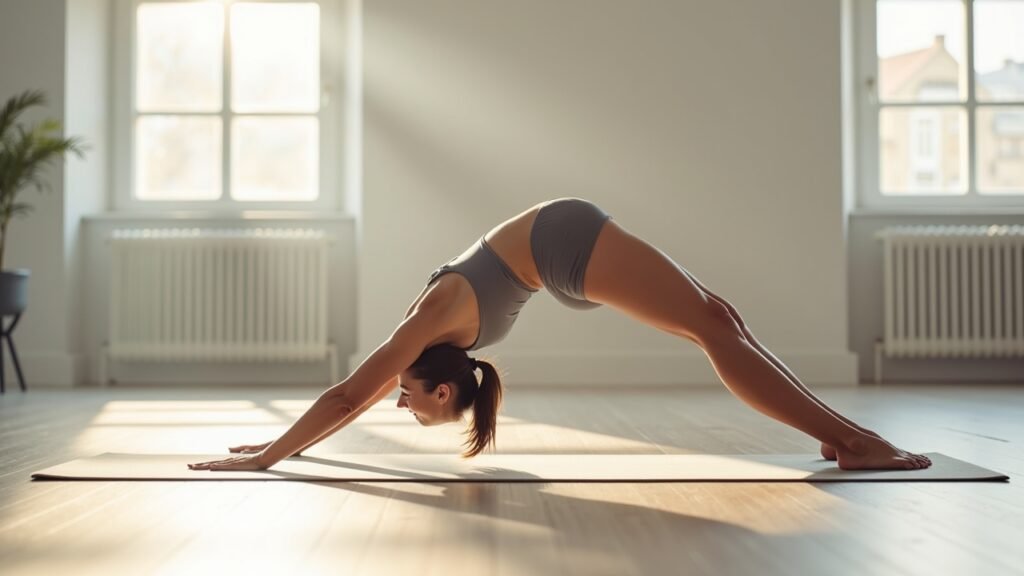
Downward Dog (My Nemesis Turned Friend)
This pose was killer at first. My shoulders were tight, my hamstrings were tighter, and I probably looked like an angry cat. But after doing it regularly, it became my go-to stretch for opening up the entire back body. The key is keeping your knees slightly bent if you need to – nobody’s giving out awards for straight legs if you’re sacrificing your spine alignment!
Forward Fold (Where Humility Meets Reality)
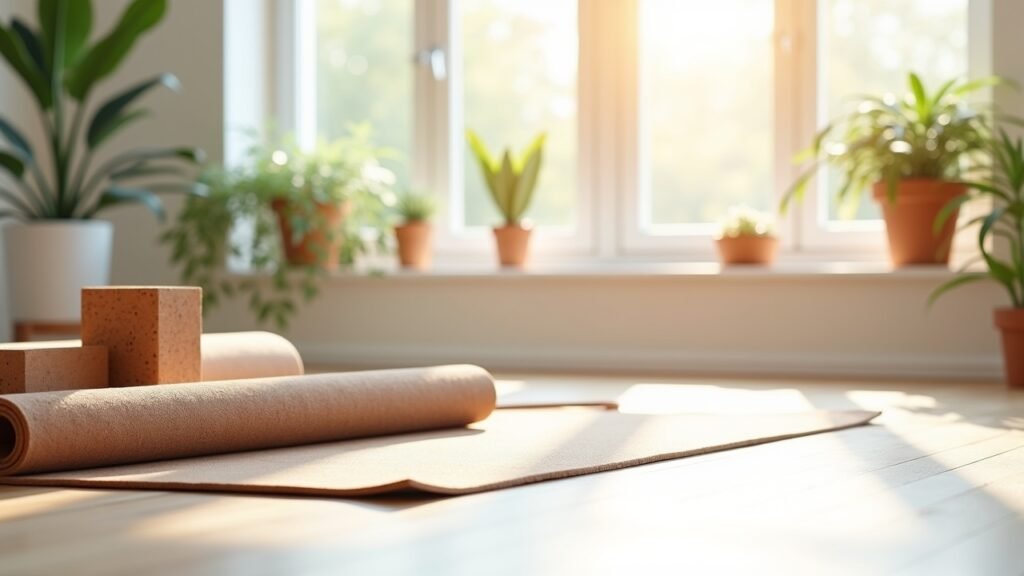
I remember the instructor saying “fold forward and let your head hang heavy,” and I was like, “Lady, I can barely get past my thighs.” But here’s what worked for me: I started using yoga blocks to bring the floor closer to me. Game changer. Over time, those blocks got lower and lower until I didn’t need them anymore.
Pigeon Pose (The Hip Opener from Heaven)
This one’s intense, not gonna sugarcoat it. Your hip flexors are probably tight from sitting all day (mine definitely were), and pigeon pose goes right after them. I actually teared up the first time I held this pose for more than 30 seconds – partly from the stretch, partly from the emotional release that apparently comes with opening your hips. Yoga’s weird like that.
What I Learned About Consistency (The Hard Way)
Here’s where I messed up initially: I’d do yoga for a week, feel a tiny bit more flexible, then skip two weeks because life got busy. Guess what? I’d be right back where I started. Flexibility isn’t something you achieve once and keep forever – it’s more like brushing your teeth, you gotta maintain it.
I found that doing even just 15 minutes every morning made a bigger difference than doing an hour-long class once a week. The daily practice kept my muscles from tightening back up overnight, literally.
Breathing: The Thing Nobody Talks About Enough
Okay, so this might sound kinda woo-woo, but stick with me. When you’re stretching and you hold your breath (which I totally did at first), your muscles tense up as a protective mechanism. But when you breathe deeply into the stretch, your body’s like “oh, we’re safe, we can relax.”
I started using this ujjayi breathing technique, which is basically breathing through your nose with a slight constriction in your throat. Sounds weird, works amazingly well for helping you sink deeper into stretches without forcing anything.
The Mistakes I Made So You Don’t Have To
First big mistake? Comparing myself to everyone else in class. Sarah could do full splits on day one, and there I was struggling with a basic seated forward fold. Everyone’s body is different, and your flexibility journey is your own. Seriously.
Second mistake was pushing too hard too fast. I tried to force myself into a deep stretch once and tweaked my hamstring pretty good. Took me two weeks to recover from that brilliant decision. Flexibility training should feel challenging but never painful – there’s a difference between discomfort and your body saying “nope, stop that right now.”
Your Journey Starts Wherever You Are
So here’s the thing – you don’t need to be flexible to start yoga for flexibility. I know that sounds backwards, but it’s true! Start where you are, use props when you need them, and remember that every body is different. Some people’s hip sockets are literally structured differently, which means their flexibility potential varies.
The most important thing is consistency and patience with yourself. I still can’t do some of the crazy advanced poses I see on Instagram, and you know what? That’s perfectly fine. I can tie my shoes without groaning, pick things up off the floor without planning my approach, and I haven’t had that back pain in over two years.
If you’re thinking about starting your own flexibility journey, just begin. Even five minutes a day counts. And hey, if you want more tips on staying active and healthy, check out the other articles over at Aerobic Atlas – we’ve got tons of practical advice for real people trying to feel better in their bodies!