Advertisements
Here’s something that’ll blow your mind – according to the CDC, only about 23% of Americans over 40 meet the recommended physical activity guidelines! When I hit 40 last year, I realized I’d become part of that statistic, and honestly, it scared me a bit. My back hurt from sitting at my desk all day, and I was getting winded just playing with my nephew in the backyard.
That’s when I decided enough was enough. Fitness after 40 isn’t just about looking good – it’s about maintaining your quality of life, keeping your independence, and yeah, maybe fitting into those jeans you refuse to throw away.
Why Everything Feels Different Now
Let me tell you, working out at 40 hits different than it did at 25. I learned this the hard way when I tried doing the same routine I did in my twenties. Big mistake.
My joints were screaming at me for like three days straight. Turns out, our bodies go through some real changes after 40 – muscle mass starts declining (they call it sarcopenia, fancy right?), metabolism slows down, and recovery takes longer. But here’s the thing: this doesn’t mean you’re done!
Actually, staying active becomes more important than ever for maintaining bone density, preventing chronic diseases like diabetes and heart disease, and keeping your mind sharp.
Starting Smart (Not Hard)
So I had to completely change my approach. Instead of going all-in like some gym warrior, I started with what physical therapists call “low-impact exercises.”
Walking became my best friend. Seriously, I started with just 15 minutes a day around my neighborhood, and it was enough to get things moving without destroying my knees. Mayo Clinic actually recommends walking as one of the best exercises for people over 40, and now I totally get why.
Swimming was another game-changer for me. The water takes pressure off your joints while still giving you a solid workout, and honestly, it feels amazing.
Strength Training Changed Everything
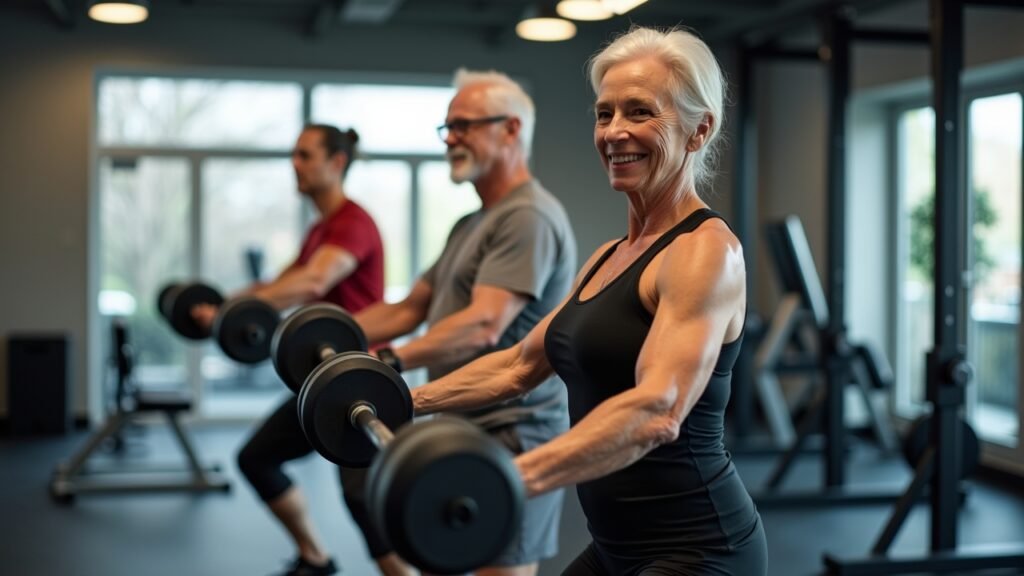
I was super intimidated by the weight room at first – all those younger people lifting heavy and grunting. But then my doctor told me something that stuck with me: strength training is like an insurance policy for your future mobility.
I started super light, like embarrassingly light. We’re talking 5-pound dumbbells and bodyweight squats. But guess what? Within about six weeks, I noticed I could carry groceries easier and my posture got better. The key was consistency, not intensity.
Here’s what worked for me: two to three strength sessions per week, focusing on major muscle groups. Compound exercises like squats, push-ups (modified at first), and rows became my go-to moves. And honestly, I wish I’d started sooner because the benefits were noticeable pretty quick.
The Recovery Reality Check
This is where I really had to adjust my expectations. When you’re younger, you can bounce back from workouts in like a day, maybe two. At 40? Not so much.
I made the mistake of working out hard three days in a row when I first started getting motivated. My body basically staged a revolt – everything hurt, I was exhausted, and I actually set myself back a week. Now I know that rest days aren’t optional, they’re part of the program.
I started incorporating stretching and flexibility work, which I’d always skipped before. Harvard Health backs this up too – flexibility exercises help prevent injury and improve your range of motion, which becomes super important as we age.
Nutrition Actually Matters Now

Look, I used to eat whatever I wanted and still maintain my weight. Those days are gone, my friends. After 40, what you eat has a much bigger impact on how you feel and perform.
I had to up my protein intake significantly – we’re talking lean meats, fish, beans, and Greek yogurt became staples. Protein helps with muscle recovery and maintenance, which is crucial when you’re trying to build or maintain strength.
Also, staying hydrated became way more important than I realized. I used to forget to drink water for hours, but now I notice if I’m even slightly dehydrated during a workout.
Your Path Forward Starts Today
Getting fit after 40 isn’t about turning back the clock or competing with your younger self. It’s about investing in your future and feeling good in your body right now. Every workout doesn’t need to be perfect, and some days you’ll only manage a 10-minute walk – and that’s totally okay.
Remember to check with your doctor before starting any new fitness routine, especially if you’ve been inactive for a while or have existing health conditions. Your journey will look different from mine, and that’s exactly how it should be.
Want more tips on staying active and healthy? Head over to Aerobic Atlas where we’ve got tons of articles on everything from workout routines to nutrition advice, all written with real people (not gym rats) in mind. Trust me, your 50-year-old self will thank you for starting today!