Advertisements
Did you know that 95% of Americans don’t get enough fiber in their diet? Yeah, that blew my mind too when I first read it. I used to be one of those people — grabbing whatever was fast and easy, totally ignoring what my gut was trying to tell me. Spoiler alert: my gut was not happy. Once I started paying attention to high fiber foods, though? Game changer. Seriously, everything from my energy levels to my digestion did a full 180.
Why Fiber Actually Matters (More Than You Think)
Okay, so here’s the deal. Dietary fiber is the part of plant-based food that your body can’t fully digest. And that’s actually a good thing. It moves through your digestive system, cleaning things up along the way — kind of like a broom for your insides.
There are two types: soluble fiber and insoluble fiber. Soluble fiber dissolves in water and helps lower blood sugar and cholesterol. Insoluble fiber adds bulk to your stool (yeah, we’re going there) and keeps things moving. According to the Mayo Clinic, women should aim for about 21–25 grams per day, and men should shoot for 30–38 grams. Most of us are barely hitting half of that.
My Favorite High Fiber Foods (Tested by Me, Approved by My Stomach)
I’m not going to give you a boring list and call it a day. Let me walk you through the foods that actually made a difference in my daily routine — the ones I kept coming back to.
Legumes: The Unsung Heroes
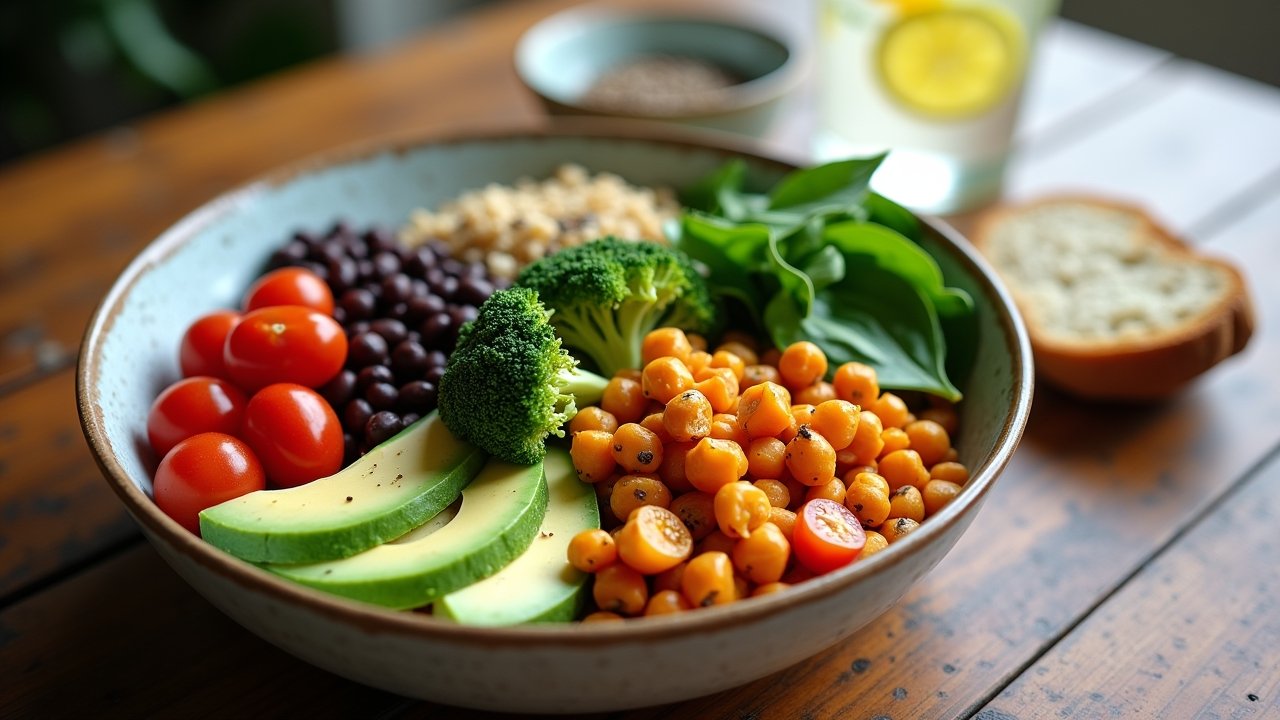
Lentils, black beans, chickpeas — these guys are absolute powerhouses. One cup of cooked lentils packs around 15.6 grams of fiber. I used to think beans were, honestly, kinda boring. Then I threw some black beans into a taco bowl with salsa and avocado and… okay, I was wrong. Very wrong.
Legumes are also loaded with plant-based protein, which makes them a double win. The Harvard T.H. Chan School of Public Health confirms legumes are among the best sources of fiber AND nutrients. Start with just half a cup if you’re new to them — your gut needs time to adjust, trust me on that one.
Fruits That Pull Their Weight
Berries, pears, and avocados are my go-to fruits for fiber. A medium pear has about 5.5 grams of fiber, and avocados? One whole avocado delivers around 10 grams. I literally started adding half an avocado to my eggs every morning and never looked back.
Raspberries are kind of underrated too. One cup gives you about 8 grams of fiber, which is honestly impressive for something that tastes like dessert. Toss them into your oatmeal or yogurt and you’re golden.
Advertisements
Whole Grains: Don’t Skip These
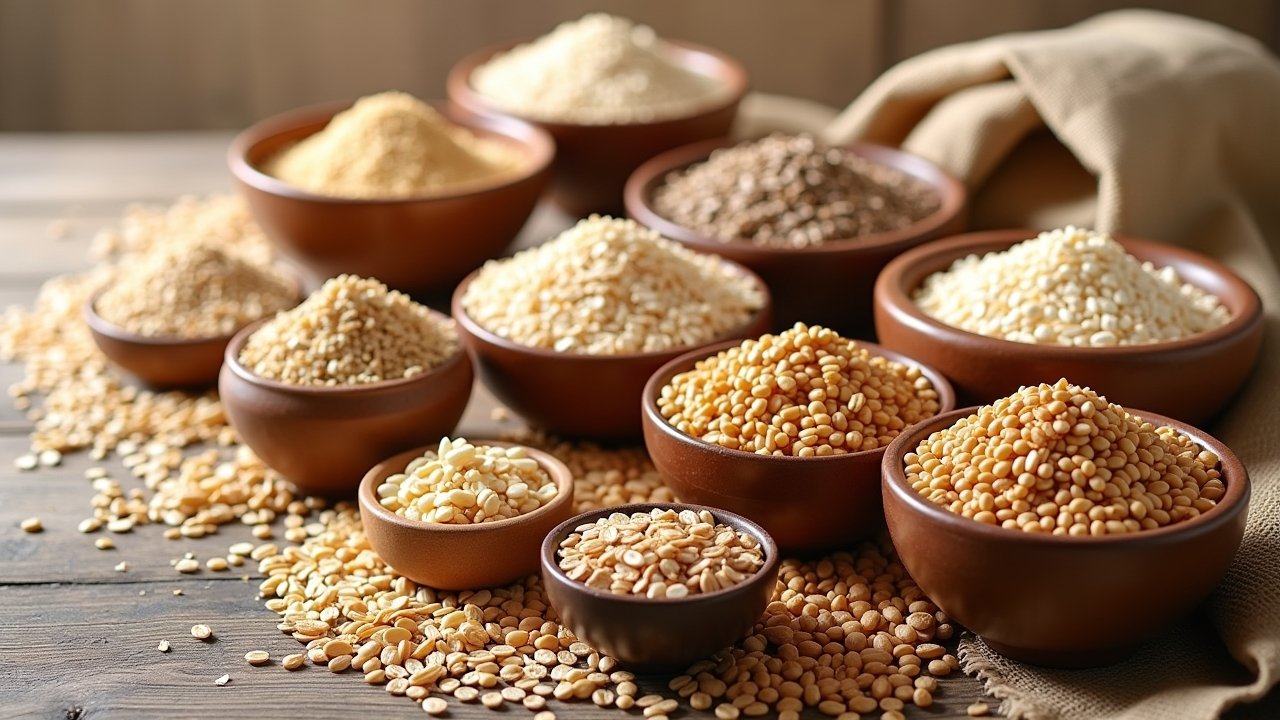
Oats, quinoa, and whole wheat bread are your friends here. I made the mistake of thinking “whole grain” on a label meant the product was actually healthy — nope, always check the ingredients list. Look for 100% whole grain as the first ingredient.
Oatmeal in the morning is a classic for a reason. One cup of cooked oats has about 4 grams of fiber. It’s not the flashiest meal, but it’s steady, filling, and gets the job done. The Healthline breakdown on oats is worth a read if you want the full picture.
Vegetables You Should Eat More Of
Broccoli, Brussels sprouts, and carrots are solid choices. I know, I know — Brussels sprouts get a bad rap. But roasted with a little olive oil and garlic? Completely different vegetable. One cup of cooked Brussels sprouts has about 4 grams of fiber.
Artichokes are the real MVPs here, though. One medium artichoke has around 10 grams of fiber. They’re a little intimidating to cook at first, but once you figure it out, they’re totally worth the effort.
Simple Ways to Add More Fiber to Your Day
- Swap white rice for brown rice or quinoa
- Add a handful of berries to your breakfast
- Snack on raw veggies with hummus instead of chips
- Toss beans into soups, salads, or wraps
- Choose whole grain bread over white bread
- Drink plenty of water — fiber needs hydration to work properly
Start Small, Feel the Difference
Look, you don’t have to overhaul your entire diet overnight. That’s actually how most people fail — they go too hard too fast and then give up when their stomach starts complaining. Start by adding one high fiber food per meal and build from there. Your body will thank you, I promise.
One last thing — always talk to your doctor or a registered dietitian if you have specific health concerns, especially if you have IBS or other digestive conditions. Fiber is powerful, but it’s not a one-size-fits-all fix. Be kind to your gut and listen to what it’s telling you.
If you found this helpful, there’s a whole lot more where that came from. Head over to Aerobic Atlas and explore other posts packed with practical health and nutrition tips. You might just find your next favorite read!