
Advertisements
Did you know that roughly 80% of people who start tracking their food intake give up within the first month? I was almost one of them! When I first heard about counting macros from my gym buddy, I honestly thought he was speaking a different language. Proteins, carbs, fats—sure, I’d heard of them, but actually tracking them? That seemed like something only bodybuilders or super dedicated athletes did.
But here’s the thing. Understanding and counting macronutrients completely changed how I approached food and my fitness goals. It wasn’t some magic bullet, but it gave me control I never had before.
What Are Macronutrients Anyway?
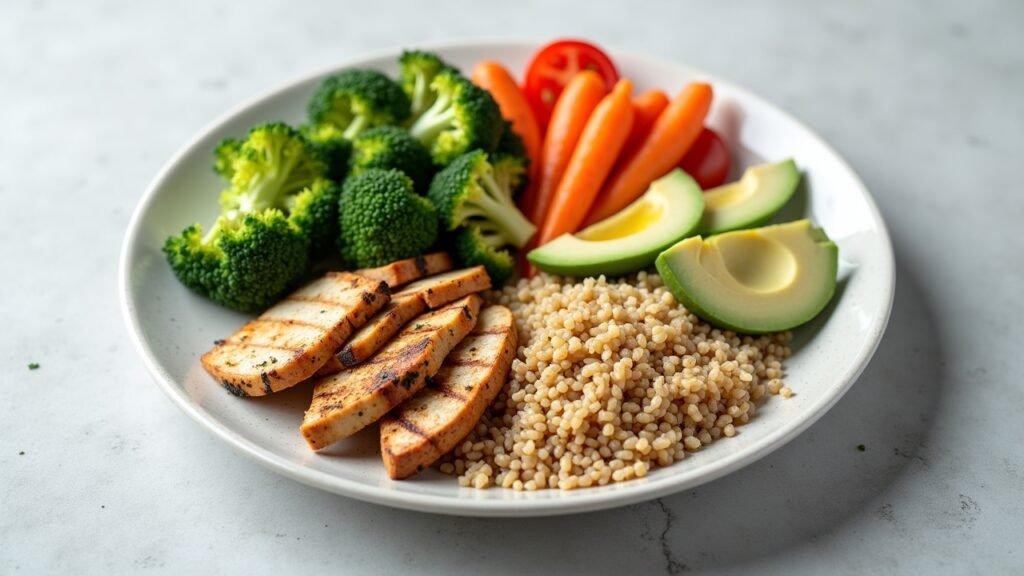
Let me break this down real simple. Macronutrients are the big three nutrients your body needs in large amounts: protein, carbohydrates, and fats. Each one plays a totally different role in keeping you alive and thriving.
Protein builds and repairs your muscles and tissues. Carbs give you energy to get through your day (and your workouts). Fats help with hormone production and absorbing vitamins.
When I first started, I made the rookie mistake of thinking carbs were the enemy. Spoiler alert: they’re not! Your body actually needs all three macros to function properly, which is why those extreme elimination diets never worked for me long-term.
My First Attempt at Macro Tracking (And Why It Was a Disaster)
Okay, so picture this. It’s 2019, and I’m standing in my kitchen with a food scale, a notebook, and absolutely no clue what I’m doing. I’d downloaded MyFitnessPal after reading some basic guide about counting macros, and I was ready to transform my life!
Except I weighed everything wrong. I was measuring cooked rice instead of dry rice, which completely threw off my carb calculations. Plus, I got so obsessed with hitting exact numbers that I’d stay up at night eating spoonfuls of peanut butter to meet my fat goals. Not exactly healthy behavior, right?
The worst part? I burned out in like two weeks. It felt too restrictive, too time-consuming, and honestly kinda miserable.
How I Actually Made Macro Counting Work

After that failed attempt, I took a break. But something kept pulling me back because I knew there was value in understanding what I was putting in my body. So I tried again, but this time with a different approach.
First, I started simple. Instead of trying to hit perfect numbers, I aimed for ranges. If my protein target was 150 grams, getting anywhere between 140-160 was a win. This took so much pressure off!
Second, I learned to eyeball portions after weighing foods for a few weeks. Once you’ve measured out 4 ounces of chicken breast enough times, you can pretty much guess it. Sure, I still weigh stuff when I’m being more strict, but everyday life doesn’t require that level of precision.
The Tools That Actually Help
Listen, you don’t need a ton of fancy equipment, but a few things made my life way easier. A basic digital food scale is essential—you can grab one for like fifteen bucks. Get one that measures in both grams and ounces.
Apps like MyFitnessPal or Cronometer do the math for you, which is clutch. I personally prefer Cronometer because it gives more detailed micronutrient info too, but honestly either works fine.
Also, meal prepping became my secret weapon. When you cook in batches and already know the macro breakdown, tracking becomes super quick. Sunday afternoons became my prep time, and it saved me hours during the week.
Common Mistakes I See People Make
Now that I’ve been doing this for a few years, I notice the same mistakes over and over. Setting macros too low is huge—especially with fat. Your body needs dietary fat for hormone health, people! Don’t go below 20% of your calories from fat.
Another thing? Not accounting for cooking oils and sauces. That tablespoon of olive oil you cook with? That’s about 120 calories and 14 grams of fat. It adds up real quick.
And please, for the love of everything, don’t try to be perfect every single day. I’ve seen friends develop unhealthy relationships with food because they got too rigid. If you go to a birthday party and eat cake, that’s totally fine! Life happens.
Finding Your Personal Macro Split
There’s no one-size-fits-all approach here, which is both frustrating and liberating. What works for me might not work for you, and that’s okay!
A general starting point is something like 40% carbs, 30% protein, and 30% fat, but this can vary wildly based on your goals. When I was trying to build muscle, I bumped my protein way up. When I was training for a half marathon, I needed more carbs for energy.
There are macro calculators online that can give you a starting point based on your weight, activity level, and goals. Use those as a guideline, then adjust based on how you feel and what results you’re seeing.
Your Journey Starts Here
So that’s my story with counting macronutrients. It went from seeming impossible to becoming second nature, but it took patience and a willingness to mess up and learn. Remember, the goal isn’t perfection—it’s progress and understanding your body better.
Start small, be kind to yourself, and adjust as you go. Your macro needs will change as your life and goals change, and that’s completely normal. The most important thing is finding an approach that you can stick with long-term, because consistency beats perfection every single time.
Want to dive deeper into nutrition and fitness topics? Head over to Aerobic Atlas where we’ve got tons of other helpful guides to support your health journey!