
Fitness Tracking Apps: The Good, The Bad, and The “Why Did I Eat That?”
Advertisements
Did you know that over 500 million people worldwide use fitness tracking apps? That blew my mind when I first read it. And honestly, I get it — because once I started using one, I couldn’t imagine working out without it!
I remember downloading my first fitness tracking app about three years ago. I was that guy who thought counting steps was for “serious athletes only.” Spoiler alert: I was wrong, and my couch-potato lifestyle paid the price for that attitude.
What Are Fitness Tracking Apps, Exactly?
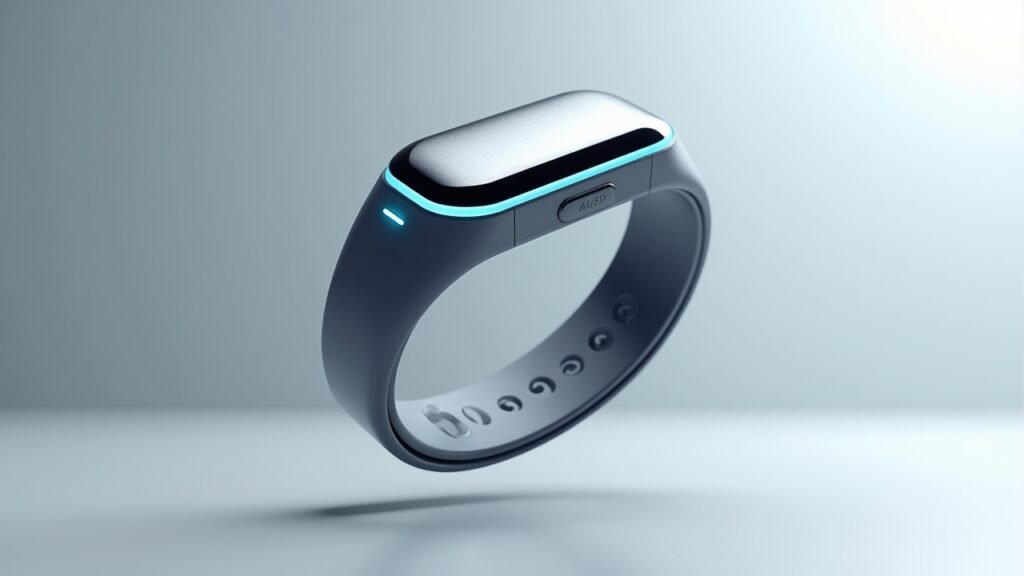
Fitness tracking apps are mobile or wearable-based tools that monitor your physical activity, health metrics, and workout progress. Think of them as your personal coach, nutritionist, and cheerleader — all packed into your phone. They track everything from daily step counts and heart rate to sleep quality and calorie intake.
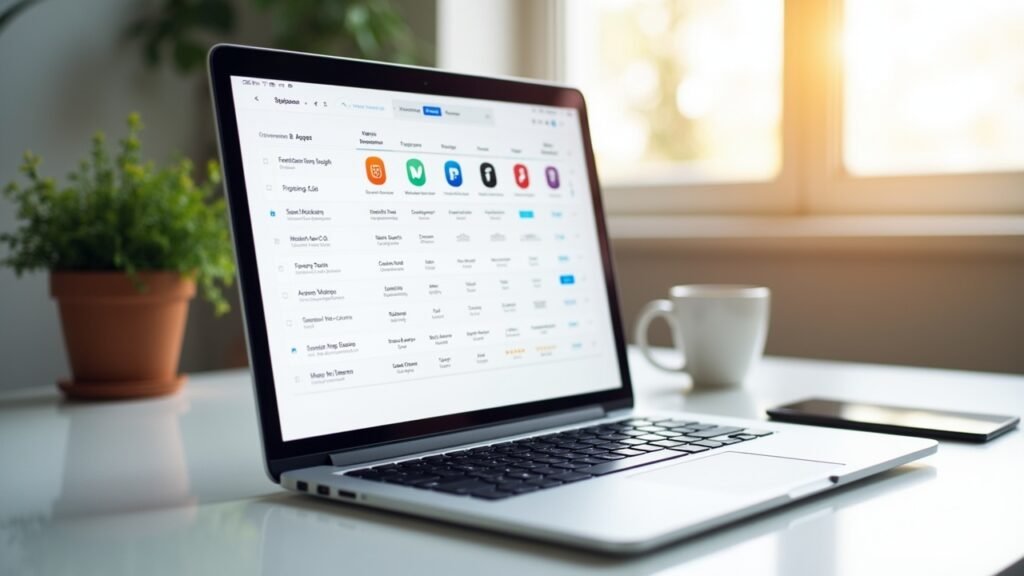
Some popular options include MyFitnessPal, Strava, and Fitbit. Each one has its own vibe and strengths, so finding the right fit is kind of like dating — you gotta try a few before you find “the one.”
Why I Almost Gave Up on Fitness Tracking (And Why I’m Glad I Didn’t)
Okay, real talk. My first week using a fitness app was a disaster. I logged my meals wrong, confused “active calories” with “total calories,” and somehow ended up thinking I burned 3,000 calories during a 20-minute walk. Yeah, that’s not how it works.
But here’s the thing — those early mistakes actually taught me how to use the app properly. After about two weeks, I started seeing patterns in my activity levels and eating habits that I never noticed before. That was a genuine “aha moment” for me.
The Real Benefits of Using a Fitness Tracking App
- Accountability: Seeing your data every day keeps you honest. It’s hard to skip leg day when your app is literally counting how many steps you didn’t take.
- Goal setting: Most apps let you set personalized fitness goals, whether that’s losing weight, building endurance, or just moving more.
- Progress tracking: Watching your resting heart rate drop over months? Incredibly motivating. Trust me on this one.
- Nutrition monitoring: Apps like MyFitnessPal make calorie tracking and macronutrient balance way less intimidating than a spreadsheet.
- Sleep analysis: Some apps, especially those paired with wearables, track your sleep cycles and recovery — which, honestly, changed how I think about rest days.
Tips I Wish Someone Had Told Me Earlier
First, don’t obsess over the numbers. I made that mistake early on, and it turned fitness into a chore rather than something I actually enjoyed. Use the data as a guide, not a ruler to beat yourself with.
Second, sync your app with a wearable device if you can. Pairing an app with something like a Apple Watch or a Garmin gives you much more accurate data on heart rate variability, VO2 max, and workout intensity. It’s a game changer, no cap.
Third — and this one is underrated — use the community features. Apps like Strava have social components where you can follow friends, join challenges, and celebrate each other’s wins. Fitness can get lonely sometimes, and having that digital community helps more than you’d think.
A Few Things to Watch Out For
Not everything about fitness apps is sunshine and protein shakes. Some apps push premium subscriptions pretty aggressively, and certain features that should be free are locked behind a paywall. Do your research before committing to a paid plan.
Also, be mindful of data privacy. Your health information is personal, and it’s worth reading the privacy policies of any app you use. Your step count shouldn’t be someone else’s business unless you say so.
Your Fitness Journey Is Yours to Write
At the end of the day, fitness tracking apps are just tools — powerful ones, but tools nonetheless. What matters most is how you use them to build habits that actually stick. Not every feature will work for everyone, and that’s totally fine. Customize your experience, experiment a little, and don’t be afraid to switch apps if one isn’t clicking.
Just remember: your health data is sensitive, so always choose apps from reputable developers and stay informed about how your data is being used. Safety first, always.
If this got you curious about other ways to level up your fitness routine, head over to Aerobic Atlas — there’s a whole library of posts waiting for you. You might just find your next favorite read!