
Anti Inflammatory Foods: What I Wish I Knew Sooner
Advertisements
Did you know that chronic inflammation is linked to nearly every major disease we know of today? Heart disease, diabetes, arthritis — the list goes on. When I first heard that, I honestly thought it was one of those exaggerated health claims people throw around on the internet. Spoiler alert: it wasn’t!
I started paying attention to anti inflammatory foods after my knees were giving me serious trouble a few years back. My doctor mentioned diet as a factor, and I rolled my eyes — classic me. But once I actually started making changes, the difference was kind of wild.

What Does “Anti Inflammatory” Even Mean?
Okay, so let’s break this down real quick. Inflammation is your body’s natural response to injury or infection — it’s not always the bad guy. The problem shows up when inflammation becomes chronic, meaning it just sticks around way longer than it should.
Anti inflammatory foods are basically foods that help calm that ongoing internal fire. They’re usually rich in antioxidants, healthy fats, and phytonutrients. Think of them as your body’s chill pill — but in food form.
Top Anti Inflammatory Foods You Should Know About
Here’s where things get practical. These are the foods I personally started adding to my diet, and they’re backed by solid research too.
- Fatty Fish: Salmon, mackerel, and sardines are loaded with omega-3 fatty acids. These are some of the most well-studied anti inflammatory compounds out there. I started eating salmon twice a week and genuinely noticed less joint stiffness. Healthline has a great breakdown of why omega-3s are so powerful.
- Berries: Blueberries, strawberries, and raspberries are packed with antioxidants called anthocyanins. These little guys help fight oxidative stress in the body. I throw a handful of blueberries into my oatmeal almost every morning now.
- Leafy Greens: Spinach, kale, and Swiss chard are rich in vitamin K and other anti inflammatory compounds. Not gonna lie, kale took some getting used to — but sautéed with garlic? Totally different story.
- Turmeric: This golden spice contains curcumin, one of the most researched natural anti inflammatory agents. Medical News Today explains how curcumin can inhibit inflammatory pathways in the body.
- Extra Virgin Olive Oil: A staple of the Mediterranean diet, this oil contains oleocanthal, which has properties similar to ibuprofen. Yeah, I was shook when I read that too.
- Nuts: Almonds and walnuts especially. They contain healthy fats and magnesium, both of which support a healthy inflammatory response.
Foods That Actually Make Inflammation Worse
Here’s the flip side — and honestly, this part stings a little because I used to eat these constantly. Processed foods, refined sugars, and trans fats are major inflammation triggers. We’re talking fast food, sugary sodas, white bread, and those super convenient packaged snacks.
I used to grab a bag of chips basically every afternoon. Once I swapped those out for walnuts or apple slices with almond butter, I started feeling less sluggish overall. It wasn’t overnight, but it was noticeable.
How to Actually Start Eating This Way
The biggest mistake I made early on was trying to overhaul everything at once. That’s a recipe for burnout, trust me. Instead, try adding one or two anti inflammatory foods per week rather than removing everything you love immediately.
A simple starting point is following something close to the Mediterranean diet, which is basically built around these foods. Lots of fish, olive oil, vegetables, legumes, and whole grains. It’s not as restrictive as it sounds, and the food is honestly delicious.
- Start your day with berries and oats instead of sugary cereal.
- Cook with olive oil instead of vegetable or canola oil.
- Add turmeric to soups, smoothies, or even scrambled eggs.
- Swap processed snacks for a small handful of mixed nuts.
- Aim for fatty fish at least twice a week.
Small Changes, Big Results
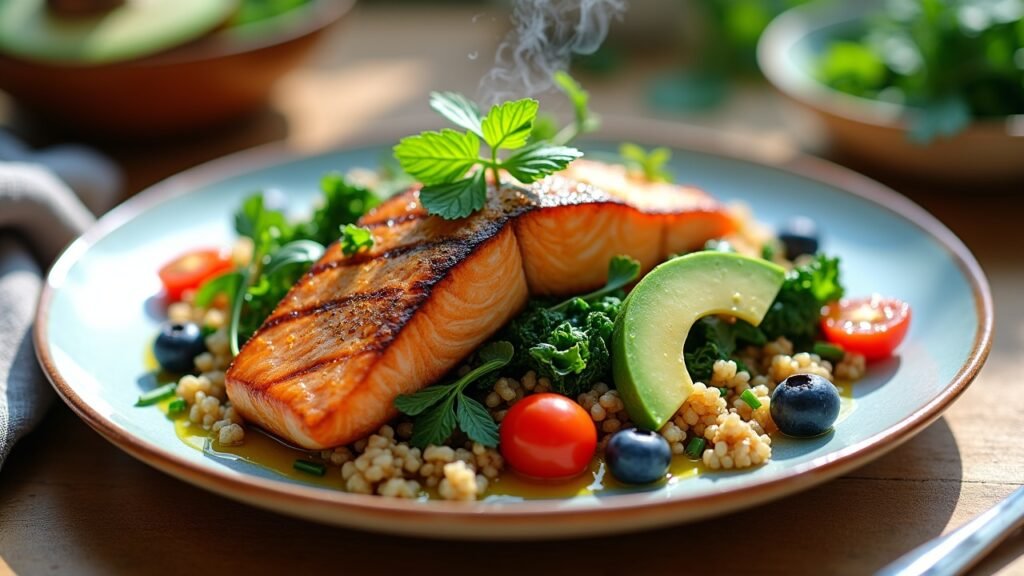
Look, I’m not going to sit here and tell you that eating salmon magically fixed everything. But after a few months of consistently focusing on anti inflammatory eating, my joints felt better, my energy was more stable, and even my sleep improved. That last one surprised me the most.
The research really does back this stuff up — and your body will probably thank you for it sooner than you think. Just remember, always check in with your doctor before making major dietary shifts, especially if you’re managing a specific health condition. Food is powerful, but it works best as part of a bigger wellness picture.
If you’re curious about more ways to support your health through movement and nutrition, head over to Aerobic Atlas — there’s a ton of helpful content waiting for you there!


