Advertisements

Gluten Free Diet: What I Wish Someone Had Told Me Sooner
Did you know that roughly 1 in 133 Americans has celiac disease — and millions more are living with gluten sensitivity without even knowing it? I had no idea either, until my doctor basically looked me in the eye and said, “You need to cut gluten out. Like, now.” That was three years ago, and honestly? It changed everything for me.
Starting a gluten free diet feels overwhelming at first. There’s so much conflicting info out there, and half of it sounds like it was written by someone who’s never actually stood in a grocery store aisle having a full-on panic attack trying to read ingredient labels. Been there. Done that. Got the stomach ache to prove it.
So, What Even Is Gluten?
Gluten is a protein found in wheat, barley, and rye. Simple enough, right? Well, not exactly. It hides in the most unexpected places — soy sauce, salad dressings, even some medications. According to the Mayo Clinic, for people with celiac disease, consuming gluten triggers an immune response that damages the small intestine. That’s not just a tummy ache — that’s serious business.
For others without celiac, gluten sensitivity can still cause bloating, fatigue, and brain fog. I personally felt like I was walking through mud every afternoon before I made the switch. Cutting gluten out was like someone finally turned the lights back on.
My Biggest Rookie Mistakes (So You Don’t Have To Make Them)
Okay, real talk. When I first went gluten free, I thought I was nailing it. Salads every day, grilled chicken, lots of rice. Sounds clean, right? Then I doused everything in store-bought teriyaki sauce — which, fun fact, is loaded with gluten. Facepalm moment of the century.
I also made the mistake of thinking “gluten free” on a label automatically means healthy. It doesn’t. Some gluten free products are packed with sugar and refined starches to make up for the texture that gluten provides. Always flip the package over and actually read the nutrition facts. Trust me on this one.
- Always check for hidden gluten in condiments and sauces
- Don’t assume “wheat-free” means “gluten-free” — barley and rye still count
- Watch out for cross-contamination, especially when eating out
- Look for certified gluten free labels from trusted organizations like the Gluten-Free Food Service
What Can You Actually Eat?
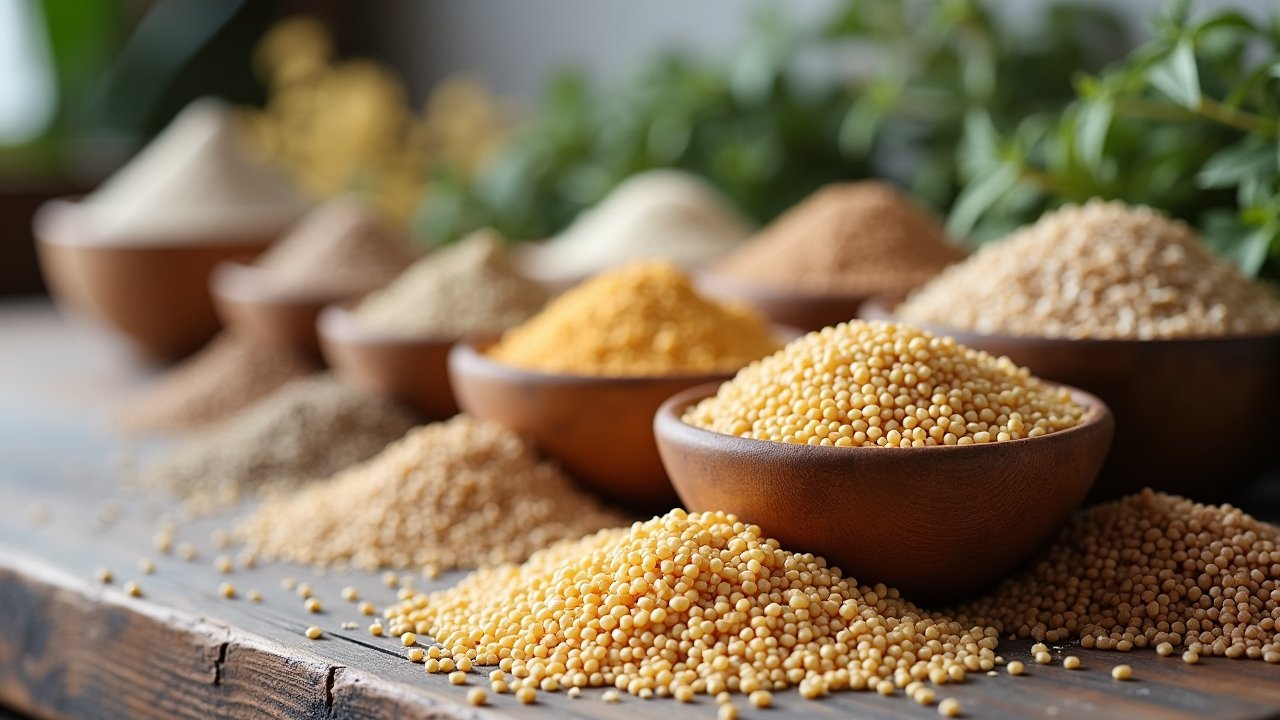
This is where people get tripped up, because they focus on what’s taken away instead of what’s still on the table — literally. Naturally gluten free foods are actually really abundant. Think fruits, vegetables, legumes, eggs, meat, fish, dairy, and whole grains like quinoa, rice, and oats (just make sure the oats are certified gluten free).
I fell in love with cooking again when I went gluten free. Suddenly I was experimenting with almond flour pancakes, cassava tortillas, and lentil pasta. Some of it was terrible at first — I’m not gonna lie, my first almond flour muffins could’ve been used as hockey pucks. But eventually? I got really good at it.
Advertisements
Eating Out Without Losing Your Mind
Dining out on a gluten free diet used to stress me out so much. But it gets easier. Most restaurants now have gluten free menus or are happy to accommodate when you explain your needs clearly. Apps like Find Me Gluten Free are a total game-changer — you can search for safe restaurants near you in seconds.
Always mention cross-contamination when you order. A meal can be “gluten free” in ingredients but still be cooked in a pan that touched pasta five minutes ago. That’s enough to cause a reaction for some people, especially those with celiac disease.
Is a Gluten Free Diet Right for Everyone?
Here’s the honest truth — not everyone needs to go gluten free. If you don’t have celiac disease or a confirmed gluten sensitivity, cutting it out won’t necessarily make you healthier. Some research even suggests that unnecessarily avoiding gluten can lead to nutritional deficiencies, particularly in fiber and B vitamins. Always talk to your doctor or a registered dietitian before making big dietary changes. The USDA’s nutrition resources are a great starting point too.
Your Journey, Your Rules
Look, whether you’re going gluten free for medical reasons or just experimenting to see how your body feels, the most important thing is that you listen to yourself. Adapt what works for your lifestyle, your culture, your budget. There’s no one-size-fits-all here, and anyone who tells you otherwise is probably trying to sell you something.
Just be smart about it. Get proper medical advice, do your research, and don’t let a gluten free diet become a source of stress — it should feel empowering, not punishing. And hey, if you’re hungry for more tips on nutrition, fitness, and living well, come hang out with us over at Aerobic Atlas — there’s a whole lot more where this came from!