Advertisements
Did you know that over 90% of Americans don’t get enough omega-3 fatty acids in their diet? I didn’t either — until my doctor basically sat me down and gave me a little wake-up call a few years back. I thought I was eating pretty healthy, but turns out, I was missing one of the most powerful nutrients out there. So let me share what I’ve learned, the hard way and the good way, about omega-3 benefits and why this stuff is kind of a big deal.
What Are Omega-3 Fatty Acids, Anyway?
Okay, real quick — omega-3s are a type of polyunsaturated fat that your body can’t produce on its own. That means you gotta get them from food or supplements. There are three main types: ALA (found in plants), EPA, and DHA (both mostly found in fatty fish). EPA and DHA are the heavy hitters when it comes to health benefits, and honestly, those are the ones most people are lacking.
Think of omega-3s like the oil that keeps your engine running smooth. Without them, things start to get a little… creaky. I noticed brain fog, joint stiffness, and just overall blah feelings before I started supplementing. True story.
Heart Health: The Big One
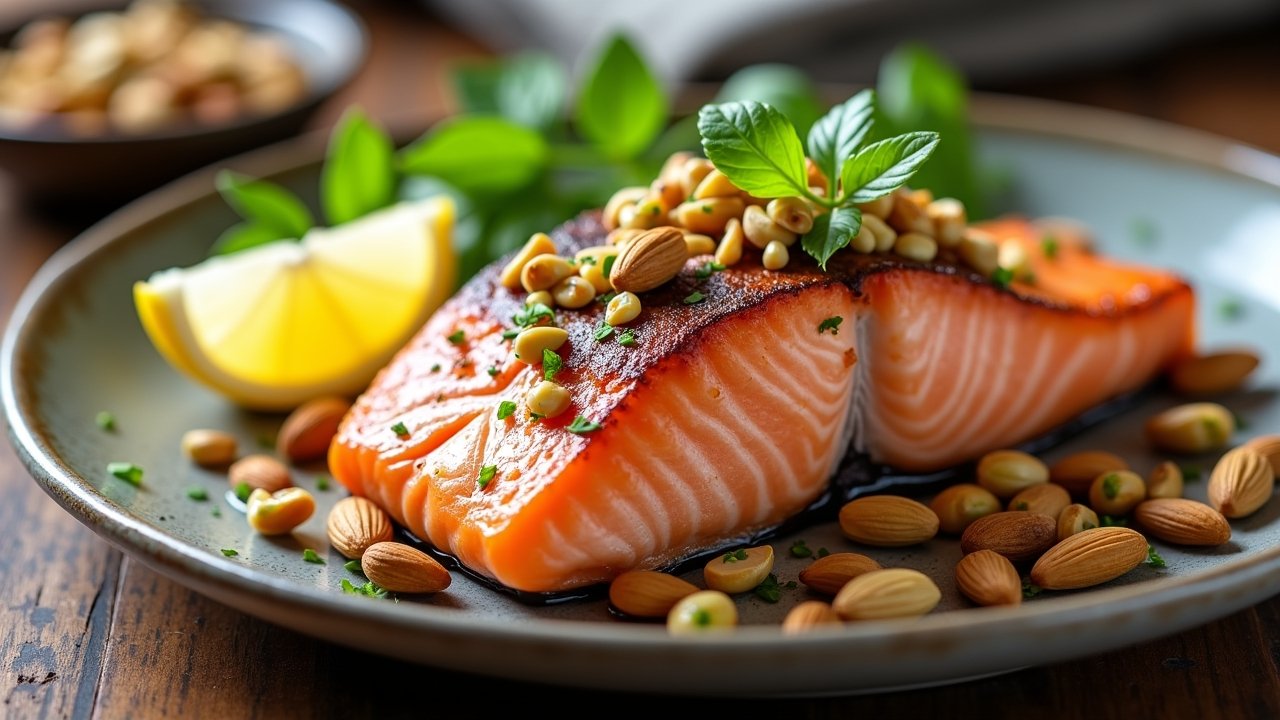
Let’s start with the heart because, well, it kinda matters. Research has shown that omega-3 fatty acids can reduce triglycerides, lower blood pressure, and decrease the risk of heart disease. The American Heart Association actually recommends eating fatty fish at least twice a week for this reason. I started doing that — grilled salmon on Tuesdays became my thing — and after six months, my triglyceride levels dropped noticeably. My doctor was genuinely surprised.
It’s not magic, but it’s pretty close. Omega-3s help reduce inflammation in your arteries, which is a major factor in cardiovascular disease. That alone is worth paying attention to.
Brain Function and Mental Health
Here’s something that blew my mind — no pun intended. Your brain is made up of nearly 60% fat, and a big chunk of that is DHA. So it makes total sense that omega-3s play a huge role in cognitive function, memory, and even mood regulation. Studies from the National Institute of Mental Health suggest that omega-3 supplementation may help with symptoms of depression and anxiety.
I’ll be honest — during a pretty stressful year at work, I was feeling really low. A friend suggested upping my omega-3 intake alongside other lifestyle changes. Not saying it fixed everything, but I genuinely felt clearer and a bit more emotionally balanced after a couple of months. Could’ve been placebo? Maybe. But I’ll take it.
Joint and Inflammation Relief
If your joints have been giving you grief — especially if you work out regularly or just, you know, exist past age 35 — omega-3s can seriously help. They’re known to reduce inflammation markers like cytokines and eicosanoids in the body. The Arthritis Foundation backs this up, noting that fish oil supplements can reduce joint pain and morning stiffness in people with rheumatoid arthritis.
Advertisements
I used to wake up with stiff knees after leg day. Started taking a daily fish oil supplement, and within a few weeks, that morning shuffle to the bathroom got a lot easier. Small win, big difference.
How to Actually Get More Omega-3s
Alright, practical tips time — this is where I love to geek out a little. Here are some easy ways to boost your omega-3 intake:
- Eat fatty fish like salmon, mackerel, sardines, or tuna at least twice a week.
- Add flaxseeds or chia seeds to your smoothies or yogurt — great plant-based ALA sources.
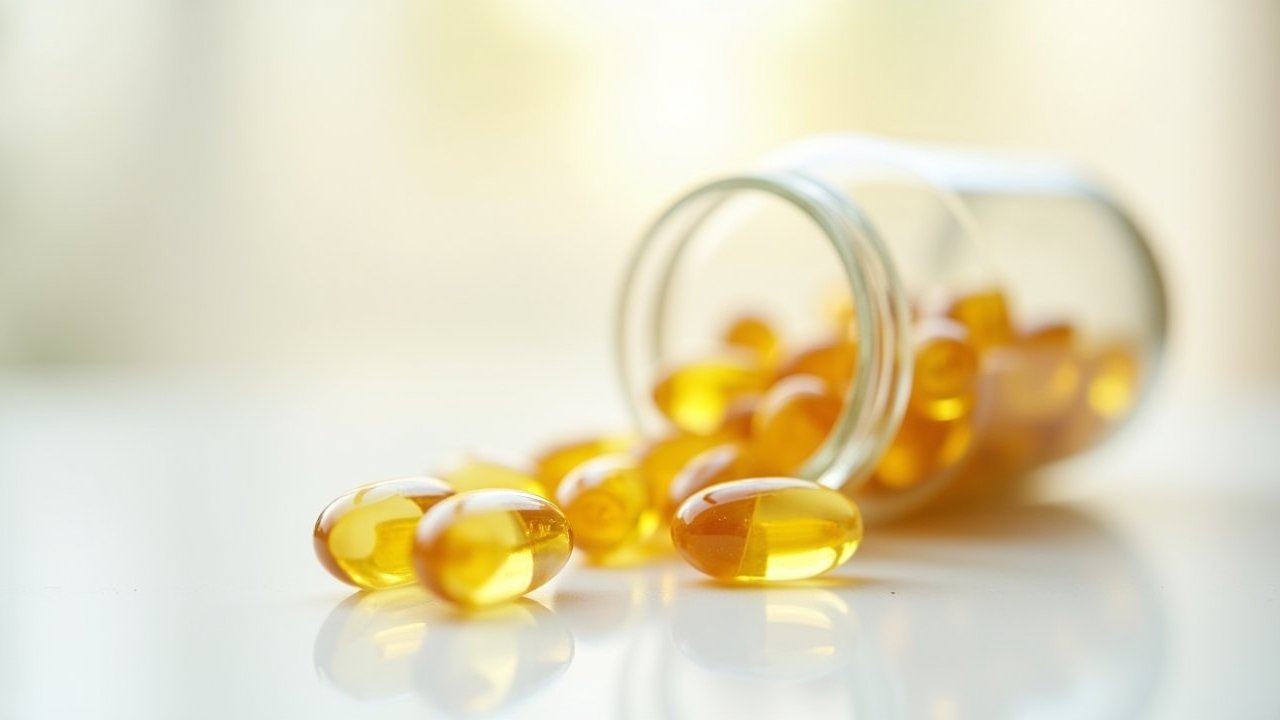
- Take a quality fish oil or algae-based supplement (algae-based is great for vegans and has EPA and DHA).
- Cook with walnut oil occasionally — walnuts are surprisingly rich in ALA.
- Read supplement labels carefully — look for at least 500mg of combined EPA and DHA per serving.
One mistake I made early on was buying a cheap fish oil that made me burp all day. Not cute. Spend a little more on a reputable, enteric-coated brand — your coworkers will thank you.
Worth Adding to Your Routine — Here’s the Bottom Line
Omega-3 fatty acids are one of the most well-researched nutrients out there, and the benefits are genuinely hard to ignore — from heart health and brain support to joint relief and reducing inflammation. That said, always talk to your doctor before starting any new supplement, especially if you’re on blood thinners, since omega-3s can affect clotting. Personalize this stuff to your own health needs and goals.
If this got you thinking about your nutrition game, there’s a lot more where this came from. Head over to Aerobic Atlas and check out our other posts — we cover everything from fitness tips to healthy eating habits that actually fit into real life. You might just find your next favorite read!