
Advertisements
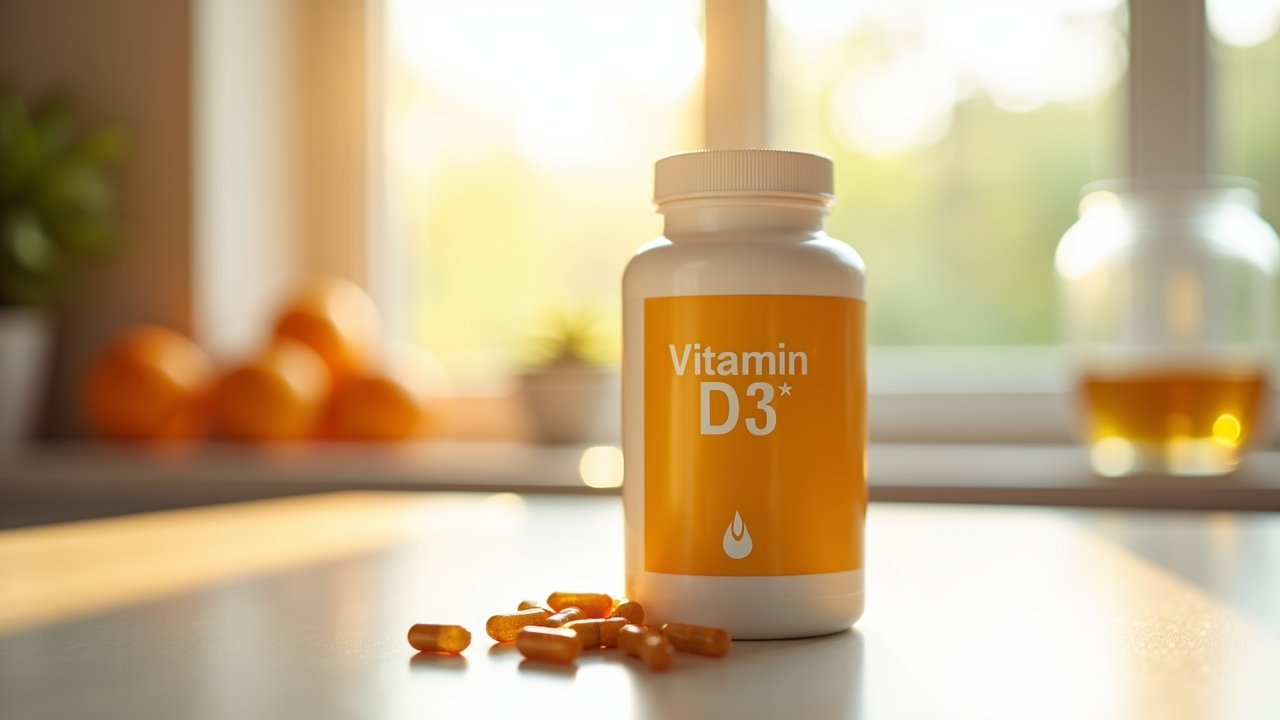
Did you know that nearly 42% of Americans are vitamin D deficient? That blew my mind when I first read it. And honestly, once I figured out how much that little sunshine vitamin was affecting my workouts, everything started making sense.
Why Vitamin D Even Matters for Fitness
I used to think vitamin D was just something doctors mentioned during a routine checkup. You know, the “make sure you get some sun” speech. But after hitting a serious wall with my training — constant fatigue, slow recovery, just feeling blah — my doctor ran some bloodwork and boom. My vitamin D levels were way too low.
Turns out, vitamin D plays a huge role in muscle function, bone health, and even testosterone production. It’s not just about avoiding rickets, people! According to Healthline, low vitamin D levels are directly linked to muscle weakness and poor athletic performance. That explained so much for me.
Vitamin D and Muscle Strength — The Real Connection
Here’s the deal. Vitamin D binds to receptors in your muscle tissue and helps regulate muscle protein synthesis. Basically, it tells your muscles to grow and repair properly. Without enough of it, your gains are being quietly sabotaged behind the scenes.
I started supplementing with vitamin D3 — around 2,000 IU daily — and within about six weeks, I genuinely noticed a difference in my squat numbers. Now, I can’t say it was only the vitamin D, but the timing was pretty hard to ignore. A study published in Medicine & Science in Sports & Exercise found that athletes with higher vitamin D levels showed significantly greater muscle strength and power output. That’s legit science, not just bro science.
Recovery, Inflammation, and Feeling Less Destroyed After Leg Day
Okay, real talk — recovery used to wreck me. Two days after a hard session, I’d still be walking down stairs like a 90-year-old. Vitamin D has anti-inflammatory properties that can seriously help with post-workout soreness. It helps regulate immune function too, which matters more than most people realize when you’re pushing your body hard.
Think of inflammation like a fire in your muscles. A little of it is normal and even helpful. But chronic inflammation? That’s the stuff that slows you down and keeps you off the gym floor. Vitamin D kind of acts like a fire extinguisher for the unnecessary stuff. Not a perfect analogy, but you get the picture.
How to Actually Get Enough Vitamin D
There are three main ways to get your vitamin D: sunlight, food, and supplements. Let’s break it down real quick.
Advertisements
- Sunlight: About 10–30 minutes of midday sun a few times a week can do the trick, depending on your skin tone and where you live. If you’re in a northern climate like me during winter, forget it — the sun basically ghosts you for months.
- Food sources: Fatty fish like salmon and mackerel, egg yolks, and fortified foods like milk and cereal. Honestly, it’s hard to hit optimal levels through food alone.
- Supplements: Vitamin D3 is the preferred form for absorption. Most fitness-focused adults do well with 1,000–4,000 IU per day, but you really should get your levels tested first. The National Institutes of Health has solid guidelines on this if you want to dig deeper.
A Few Things I Learned the Hard Way
Don’t just blindly mega-dose vitamin D because someone on a fitness forum told you to. I made that mistake. Too much vitamin D — like seriously excessive amounts — can actually cause toxicity and mess with your calcium levels. More is not always better, especially with fat-soluble vitamins.
Also, pair your vitamin D supplement with vitamin K2 and magnesium. These nutrients work together and help vitamin D do its job properly. I noticed way better results once I started combining them. It’s like they’re a little team working behind the scenes for your fitness goals.
The Bottom Line — Your Fitness Deserves Better Fuel
Vitamin D for fitness isn’t some trendy supplement fad. It’s a foundational nutrient that affects your strength, recovery, bone density, and overall performance. If you’ve been feeling sluggish, recovering slowly, or just not seeing the results you expect — low vitamin D might be part of the puzzle.
Get your levels checked, talk to your doctor, and find the right approach for your body. Everyone’s different, and what works for me might need tweaking for you. The important thing is to not ignore it. Your muscles, joints, and energy levels will thank you.
If you found this helpful, there’s a ton more where that came from. Head over to Aerobic Atlas and check out our other posts on fitness nutrition, training tips, and everything in between. We’re all on this journey together!