Advertisements
Did you know that over 13 million Americans are currently following a ketogenic diet? That’s a whole lot of people cutting carbs and loading up on avocados! I’ll be honest — when I first heard about keto, I thought it was just another fad diet that would disappear in six months. Boy, was I wrong. After struggling with energy crashes and stubborn belly fat for years, I finally decided to give keto diet basics a real shot. And it genuinely changed how I think about food.
What Exactly Is the Keto Diet?
So here’s the deal. The ketogenic diet is a high-fat, low-carbohydrate eating plan that pushes your body into a metabolic state called ketosis. In ketosis, your body burns fat for fuel instead of glucose. It sounds almost too simple, right?
Typically, the macronutrient breakdown looks something like this:
- 70–75% of calories from fat
- 20–25% from protein
- 5–10% from carbohydrates
That usually means keeping your daily carb intake under 20–50 grams. To put that in perspective, a single medium banana has about 27 grams of carbs. Yeah. No more banana smoothies for breakfast, my friend.
If you want to dig deeper into the science, Healthline has a solid breakdown of how ketosis actually works that I found super helpful when I was starting out.
What Can You Actually Eat?
This was honestly my biggest question when I started. I remember standing in the grocery store completely lost, holding a bag of brown rice and wondering if I was about to make a huge mistake. But once I got my head around it, the keto-approved food list is actually pretty satisfying.
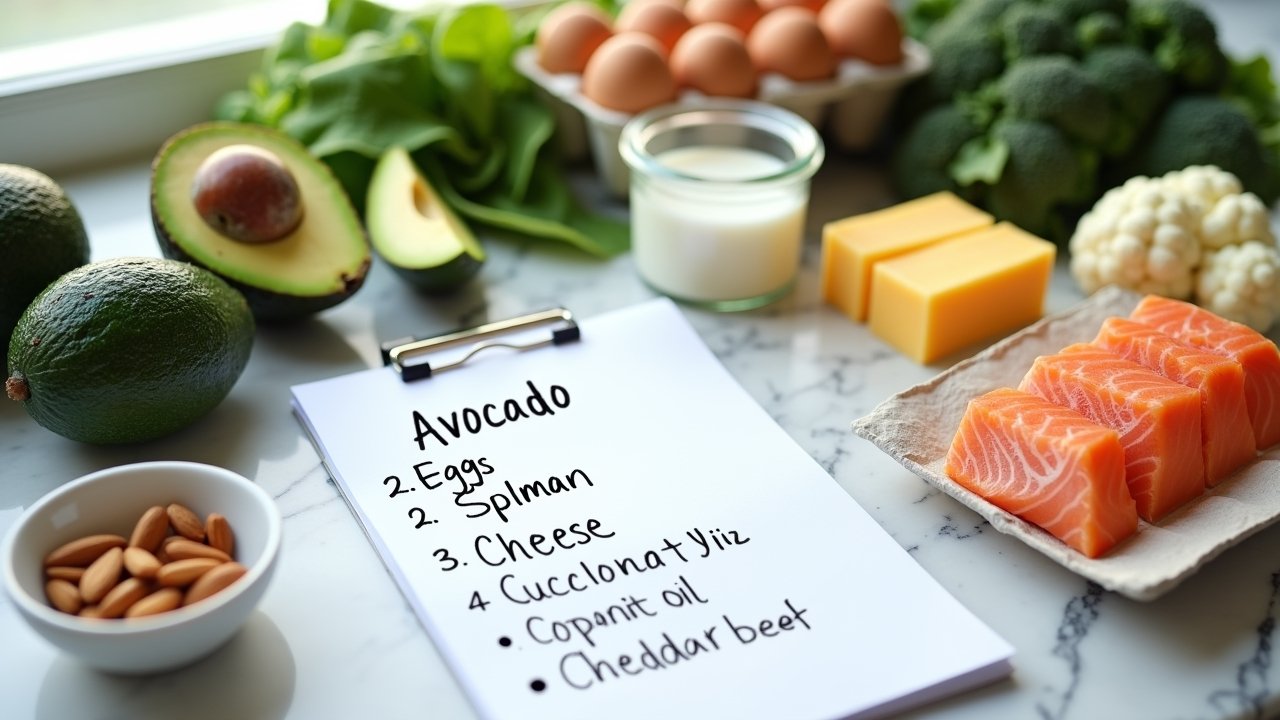
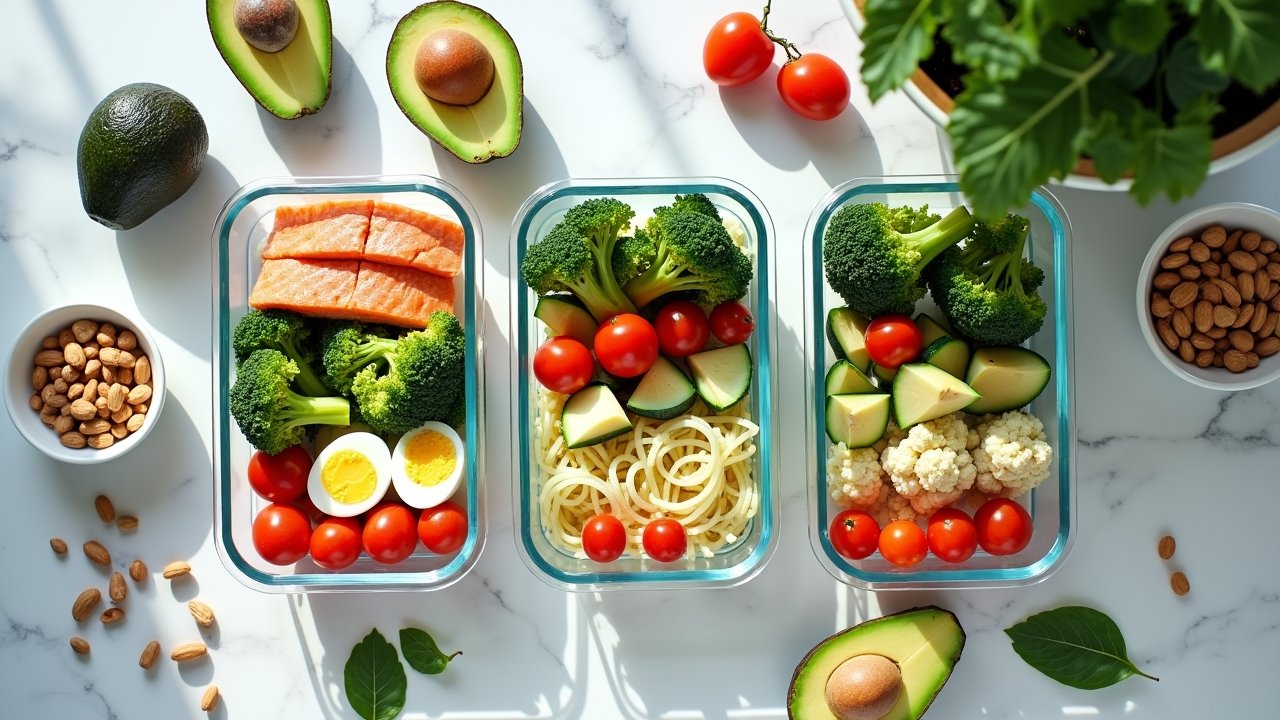
Foods you can enjoy on keto:
- Fatty meats like beef, pork, and lamb
- Poultry and seafood, especially fatty fish like salmon
- Eggs — seriously, eggs become your best friend
- Full-fat dairy like cheese, butter, and heavy cream
- Low-carb vegetables such as spinach, broccoli, and zucchini
- Nuts and seeds like almonds, walnuts, and chia seeds
- Healthy oils like olive oil and coconut oil
- Avocados — the unofficial mascot of the keto world
Foods to avoid:
- Bread, pasta, rice, and most grains
- Sugary foods and drinks
- Most fruits (small portions of berries are okay)
- Starchy vegetables like potatoes and corn
- Beans and legumes
The Diet Doctor’s keto food list was something I bookmarked early on. Totally worth checking out.
Advertisements
The Dreaded “Keto Flu” — What Nobody Warned Me About
Okay, real talk. My first week on keto was rough. Like, genuinely rough. I had headaches, felt tired all the time, and was a little cranky — okay, a lot cranky. What I was experiencing is commonly known as the keto flu, and it happens because your body is basically throwing a tantrum while adjusting to its new fuel source.
The good news? It usually passes within 3–7 days. Staying hydrated and replenishing electrolytes — sodium, potassium, and magnesium — made a huge difference for me. I started adding a pinch of sea salt to my water and eating more leafy greens. That combo honestly helped a lot.
According to Medical News Today, the keto flu symptoms are temporary and manageable with proper hydration and electrolyte balance. So don’t quit on day three like I almost did!
Real Benefits People Experience on Keto
Once I pushed through that first week, things started to shift. My energy leveled out, the brain fog lifted, and I stopped craving sugar after every meal. These are some of the most commonly reported benefits of the ketogenic diet:
- More consistent energy levels throughout the day
- Reduced hunger and fewer cravings
- Potential weight loss, especially in the early stages
- Improved mental clarity and focus
- Better blood sugar control for some individuals
That said, results vary from person to person. Keto isn’t a magic wand. It’s a tool, and like any tool, it works best when used correctly and consistently.
Is Keto Right for Everyone?
Here’s where I want to be completely straight with you. Keto works brilliantly for a lot of people — but it’s not for everyone. People with certain medical conditions, including kidney disease or a history of disordered eating, should be really careful. Always, always talk to your doctor before making major dietary changes. No blog post — including this one — replaces professional medical advice.
The Mayo Clinic also has useful insights on low-carb diets and their potential risks that are worth reading before you dive in.
Your Keto Journey Starts Here
Look, the keto diet isn’t magic, and it’s not a one-size-fits-all solution. But understanding the basics — the macros, the approved foods, the keto flu, and the potential benefits — gives you a real foundation to start from. Take what works for you, tweak it to fit your lifestyle, and don’t be afraid to experiment a little. That’s honestly the fun part.
And remember — your health journey is personal. What works for your neighbor or your coworker might need a little adjusting before it works for you. Start slow, stay informed, and be kind to yourself along the way.
Want to keep exploring topics like this? Head over to Aerobic Atlas — we’ve got plenty more posts to help you live a healthier, more energized life!