Advertisements
Here’s something wild – about 73% of people who buy gym memberships never actually use them regularly. I was definitely one of those statistics until I discovered functional fitness training, and honestly, it changed everything! I used to spend hours doing bicep curls and bench presses, looking pretty decent in the mirror but struggling to help my neighbor move a couch without throwing out my back. Sound familiar?
Functional fitness isn’t just another workout trend that’ll disappear next year. It’s about training your body to handle real-life activities – you know, the stuff we actually do every day like lifting groceries, playing with kids, or reaching that top shelf without feeling like you’re gonna pull something.
What Actually Is Functional Fitness Training?
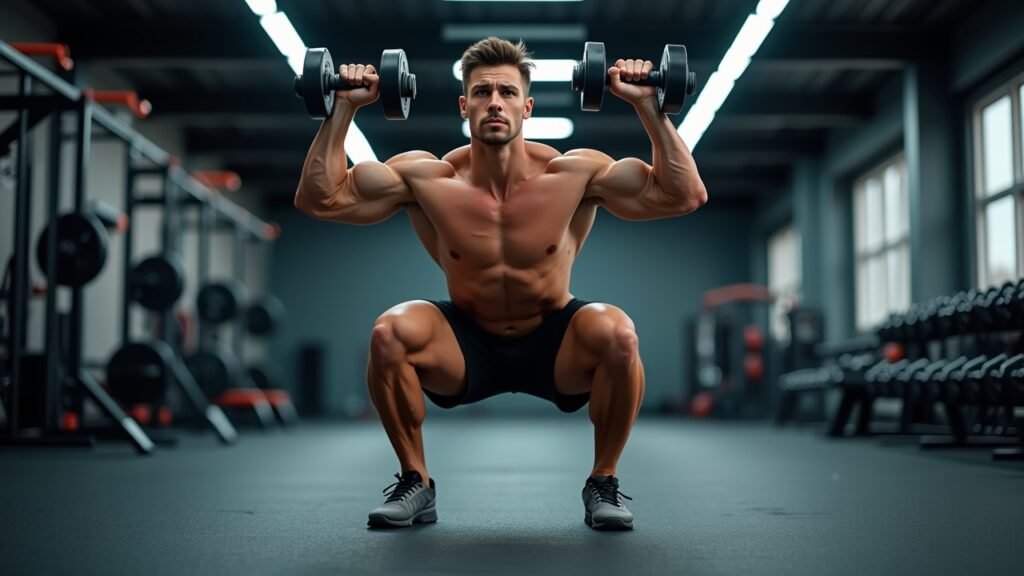
So I’ll be real with you here. When I first heard about functional fitness, I thought it was just CrossFit with a different name. Boy, was I wrong!
Functional training focuses on exercises that mimic everyday movements. Think squats (sitting down and standing up), lunges (climbing stairs), and pushing/pulling motions. These compound movements work multiple muscle groups at once, which is exactly how our bodies operate in real life.
The beauty of this approach is that you’re not isolating muscles like some bodybuilder trying to get massive biceps. Instead, you’re teaching your whole body to work together as a unit, which is kinda how nature intended it, right?
My Epic Fail (And What It Taught Me)
Last summer, I decided to rearrange my garage – should’ve been simple. I’d been hitting the gym three times a week, felt pretty strong. But after twenty minutes of moving boxes and dragging equipment around, my lower back was screaming and I was totally gassed.
That’s when it hit me. All those isolated exercises weren’t translating to actual functional strength!
I started researching movement patterns and stumbled upon functional training principles from ACE Fitness, and everything clicked. The problem was my training wasn’t preparing my body for multi-directional movements and real-world scenarios.
Core Movements That Actually Matter
Now, I’m gonna share the five basic movement patterns that form the foundation of functional fitness. These aren’t fancy or complicated – that’s kinda the point.
Advertisements
- Squatting: The king of functional movements, works your legs, core, and helps with everything from picking stuff up to getting in and out of chairs
- Hinging: Deadlifts and their variations protect your back and teach proper lifting mechanics
- Pushing: Push-ups, overhead presses – you use these patterns constantly throughout the day
- Pulling: Rows and pull-ups balance out all that pushing we do
- Carrying: Farmer’s walks might look silly, but they build insane grip strength and core stability
I started incorporating these patterns three times a week. Nothing crazy – just 30-40 minute sessions focused on quality movement over quantity.
Getting Started Without Overthinking It

Here’s where people mess up – they think they need a fancy gym or expensive equipment. You really don’t!
My first functional workout was done with a backpack filled with books, a couple of water jugs, and my own bodyweight. Start with bodyweight squats, push-ups, and planks. Master those basics before adding weight or complexity.
One thing I learned the hard way – mobility work matters just as much as the exercises themselves. I was rushing through warm-ups and paying for it with tight hips and achy shoulders. Now I spend at least 5-10 minutes doing dynamic stretching before every session, and it’s been a game-changer.
The Real-World Results That Surprised Me
After about two months of consistent functional training, something weird happened. My golf swing improved – I don’t even practice golf that much! Turned out all that rotational core work and hip mobility training translated directly to my swing mechanics.
Plus, everyday tasks became noticeably easier. Carrying groceries up three flights of stairs? No problem. Helping friends move furniture? Actually enjoyed it (well, sorta). The difference between looking strong and being functionally strong is massive, and I finally understood what that meant.
Keep Moving Forward (Without Hurting Yourself)
Look, functional fitness training isn’t about becoming some super athlete or posting impressive workout videos on social media. It’s about preparing your body for life – the stuff that actually matters. Whether you’re a parent chasing kids around, someone who wants to stay independent as they age, or just tired of feeling stiff and achy, this approach makes sense.
Remember to start slow and focus on proper form before adding weight or intensity. Your body’s been compensating for weak patterns for years – it takes time to retrain those movements correctly. And honestly? Listen to your body. Some days you’ll feel amazing, other days not so much, and that’s totally okay.
Want more tips on staying active and healthy? Head over to Aerobic Atlas where we’ve got tons of practical fitness advice that actually works for real people living real lives!