
Advertisements
You know what’s wild? I spent literally three years driving 25 minutes to a pilates studio, paying $120 a month, and struggling to make those 6 AM classes before work. Then COVID hit, and I was forced to try pilates at home. Fast forward to today, and I haven’t renewed that studio membership – not because I’m lazy, but because my living room setup is honestly better for my schedule and wallet!
Here’s the thing about home pilates that nobody really tells you upfront. It’s not just about saving money or time (though you definitely will). It’s about creating this personal practice space where you can actually focus on your body without feeling self-conscious or rushed.
Getting Started Without Breaking the Bank
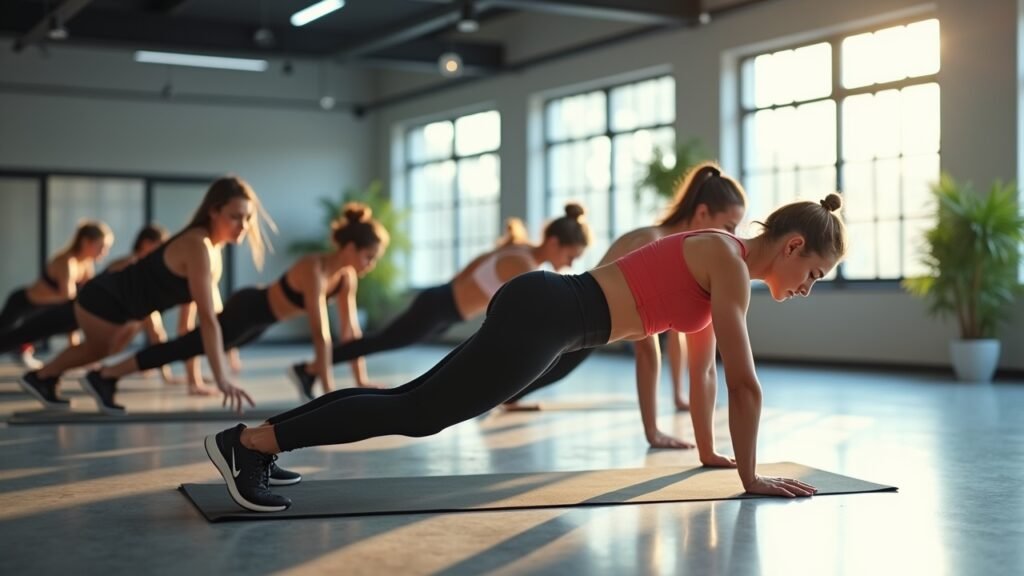
So my first attempt at pilates at home was pretty embarrassing, honestly. I rolled out my yoga mat on hardwood floors and tried following along with a YouTube video. Within ten minutes, my mat was sliding everywhere, and I’d basically given up on the whole thing.
The starter kit you actually need is way simpler than those fancy studios want you to believe. A decent pilates mat (thicker than yoga mats!) is your first investment – mine cost about $40 and it’s lasted me two years now. Then grab a resistance band and maybe some small hand weights.
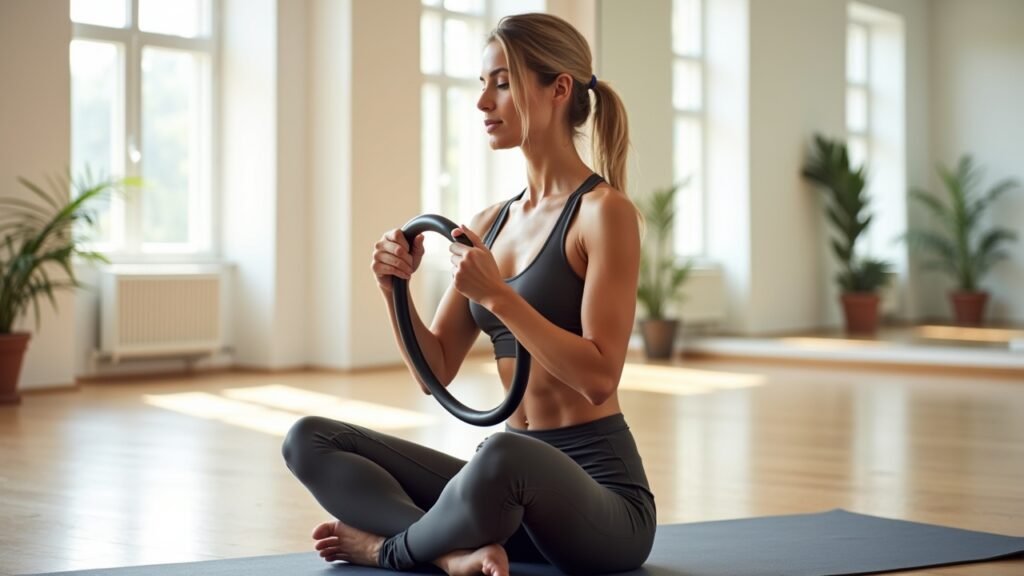
I made the mistake of buying a pilates ring first, thinking it was essential. It collected dust for six months! Start minimal, add equipment as you actually need it.
Creating Your Perfect Practice Space
Listen, you don’t need a dedicated room or anything fancy like that. My “pilates studio” is literally the space between my couch and TV, which I clear out three times a week. The key is having enough room to extend your arms and legs fully without knocking over your coffee table – trust me on this one.
Lighting matters more than I thought it would. Natural light is amazing for morning sessions, but I’ve also hung up this cheap LED strip light for evening workouts. Something about good lighting just makes the whole experience feel more intentional, you know?
And here’s a weird tip that changed everything for me: I put my phone on airplane mode. Those notifications were constantly breaking my flow, and pilates really requires that mind-body connection to work properly.
Finding Quality Instruction Online
The internet is absolutely flooded with pilates content, which sounds great until you’re 20 minutes into a video and realize the instructor’s form is questionable at best. I’ve wasted so many hours on mediocre workouts!
Advertisements
My go-to now is a mix of free YouTube channels and one paid app. Blogilates has been my favorite free resource – Cassey Ho knows her stuff and explains modifications really clearly. For more structured programs, I splurged on a Pilates Anytime subscription after trying their free trial.
But honestly? Start with free content first. There’s no point paying for subscriptions until you know you’ll stick with it.
Building Your Home Pilates Routine
I’m gonna be real with you – consistency was my biggest struggle. When the studio was charging me whether I showed up or not, I dragged myself there. At home, it’s way too easy to convince yourself you’ll “do it later.”
What finally worked was treating it like an actual appointment. I block out time on my calendar, lay out my mat the night before, and have my workout queued up on my tablet. It sounds overly organized, but it removes all the friction that makes skipping so easy.
Start with 15-20 minute sessions three times per week. Those hour-long advanced classes can wait until you’ve built the habit. I learned this the hard way after burning myself out trying to do too much too soon.
Common Mistakes I Made (So You Don’t Have To)
Oh man, where do I even start? First off, I completely ignored proper form because there wasn’t an instructor walking around correcting me. This led to some lower back pain that could’ve been totally avoided if I’d just watched myself in a mirror or recorded my sessions.
Speaking of mirrors – get one! I positioned a full-length mirror next to my practice space, and it’s been crucial for checking my alignment during exercises. Your form matters way more than how many reps you can bang out.
Also, I used to rush through transitions between exercises. Pilates isn’t a race, and those transitions are actually part of the workout. Slow down and breathe – your core will thank you.
Making It Work Long-Term
Here’s what nobody tells you about pilates at home: the hardest part isn’t the workout itself, it’s maintaining motivation without the community aspect of a studio. I genuinely miss chatting with other people before class sometimes.
My solution has been joining online pilates communities and accountability groups. There’s something motivating about posting your workout completion in a group chat, even if these people are strangers across the country.
I also rotate between different instructors and class styles to keep things fresh. Some days I’m feeling a gentle reformer-inspired mat class, other days I want to get absolutely wrecked by an intermediate power pilates session. Variety keeps me coming back.
Your Home Studio Awaits
Look, I’m not saying home pilates is perfect for everyone. Some people really thrive on that studio energy and in-person corrections. But for me? The convenience, cost savings, and flexibility have been total game-changers for maintaining a consistent practice.
The beautiful thing about pilates at home is that you can make it completely yours. No judgment, no comparing yourself to the super flexible person on the next mat, just you and your body doing the work. Start small, be patient with yourself, and remember that showing up is honestly half the battle.
Whether you’re a total beginner or someone looking to supplement studio classes, creating a home practice is definitely worth exploring. Just maybe invest in that thicker mat before you do – your knees will appreciate it way more than mine did!
Want more tips on building your home fitness routine? Head over to Aerobic Atlas where we’ve got tons of practical advice for making exercise work in your real, messy, busy life.