
Advertisements
I’ll never forget the day I pulled my hamstring during what was supposed to be an easy 5K run. There I was, touching my toes for a solid 30 seconds before heading out—doing everything “right,” or so I thought! Turns out, I’d been stretching all wrong for years, and my body finally decided to teach me a painful lesson about the difference between dynamic and static stretching.
Here’s the thing that blew my mind when my physical therapist explained it to me: not all stretching is created equal, and timing is absolutely everything. The type of stretch you do before exercise versus after can literally make or break your workout performance and injury risk.
What’s the Real Deal With Static Stretching?

Static stretching is that old-school stretch-and-hold method we all learned in gym class. You know the one—you get into a position and hold it for like 20-30 seconds while your muscles slowly elongate. I used to do these religiously before every run, thinking I was being super responsible.
The problem? Research from the National Institutes of Health shows that static stretching before intense activity can actually decrease your power output and muscle strength. Whoops! My pre-run toe touches were basically telling my muscles to chill out right before I needed them to fire up.
Static stretches work by lengthening your muscle fibers and calming down your nervous system. That’s fantastic for flexibility training and cool-downs, but not exactly what you want when you’re about to sprint or lift heavy weights.
Dynamic Stretching Changed My Entire Warm-Up Game
After that hamstring incident (which kept me off the track for three weeks—ugh), I switched to dynamic stretching before workouts. Dynamic stretching involves moving your body through a range of motion repeatedly, kind of like rehearsing the movements you’re about to do.
My new pre-run routine includes stuff like leg swings, walking lunges, and high knees. Honestly, I felt a bit silly doing these in the park at first, but the results spoke for themselves. Within two weeks, my running felt smoother, my muscles warmed up faster, and I had way more energy during the actual workout.
According to Mayo Clinic experts, dynamic stretching increases blood flow, elevates your heart rate gradually, and activates the specific muscle groups you’re about to use. It’s basically waking up your body and saying, “Hey, we’re about to do some serious work here!”
When Should You Actually Use Each Type?
Here’s where I messed up for years, and maybe you are too. I thought stretching was just stretching—do it whenever, right? Wrong!
Advertisements
Use dynamic stretching before your workout:
- Before running, cycling, or any cardio activity
- Prior to strength training sessions
- Before playing sports like basketball, soccer, or tennis
- As part of your warm-up routine (aim for 5-10 minutes)
Save static stretching for after exercise:
- During your cool-down period when muscles are warm
- On rest days for flexibility maintenance
- Before bed to help with relaxation and sleep quality
- During yoga or dedicated flexibility sessions
I now do my dynamic stuff before workouts and my static holds afterward, and it’s been a total game-changer for my recovery time and overall performance.
My Go-To Dynamic Stretches That Actually Work
Let me share what’s worked for me. These five dynamic stretches have become my non-negotiables before any serious workout:
Leg swings get my hips loosened up—I hold onto a wall and swing each leg forward and back about 10 times. Walking lunges with a twist wake up my entire lower body and core. Arm circles might seem basic, but they’re crucial for shoulder mobility before upper body work.
High knees get my heart pumping and prepare my hip flexors for running. And butt kicks (yeah, they look goofy) are perfect for activating my hamstrings—the very muscles I injured by doing the wrong kind of stretching!
The Static Stretches I Do After Every Workout
Once I’m done exercising and my muscles are all warm and pliable, that’s when I break out the static stretches. My physical therapist taught me to hold each stretch for at least 30 seconds, though sometimes I’ll go for a full minute if something feels particularly tight.
My favorites include the classic hamstring stretch (sitting with legs extended), a quad stretch while standing on one leg, and a figure-four stretch for my hips. These post-workout static stretches have seriously reduced my next-day soreness, and I’ve noticed improved flexibility over time—I can actually touch my toes now without feeling like my legs are gonna snap!
Your Stretching Strategy Moving Forward
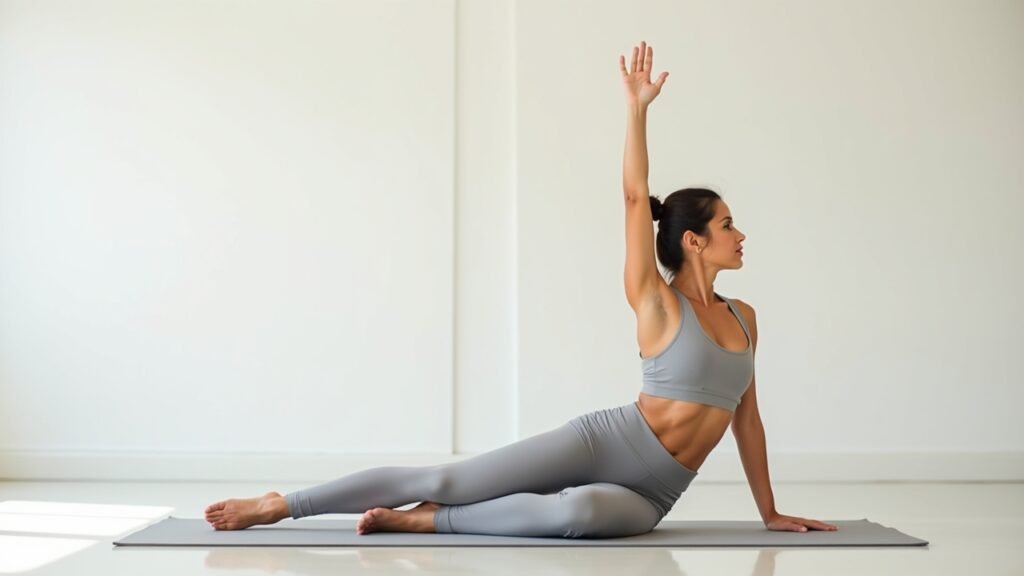
Look, I’m not gonna pretend I’m some stretching guru now. But after learning this stuff the hard way, I feel like I’ve got a responsibility to share what works. The key takeaway is simple: move before you move, and stretch after you’ve moved.
Remember that everyone’s body is different, so what works for me might need tweaking for you. If you’ve got any existing injuries or chronic pain, definitely check with a healthcare professional before changing up your routine. Safety first, folks!
The combination of dynamic warm-ups and static cool-downs has kept me injury-free for over a year now, and my performance has actually improved despite being another year older. If you found this helpful, come check out more fitness tips and real-talk advice over at Aerobic Atlas—we’ve got tons of practical content to help you move better and feel stronger!