Advertisements
Here’s the thing about protein that nobody really tells you upfront: I used to think I was doing everything right with my diet until I started tracking my actual intake and realized I was eating maybe half of what my body needed! That wake-up call came after months of wondering why my workouts weren’t paying off like they should. According to Harvard Medical School, most adults need about 0.8 grams of protein per kilogram of body weight daily, but if you’re active, that number jumps way higher.
Animal-Based Protein Powerhouses
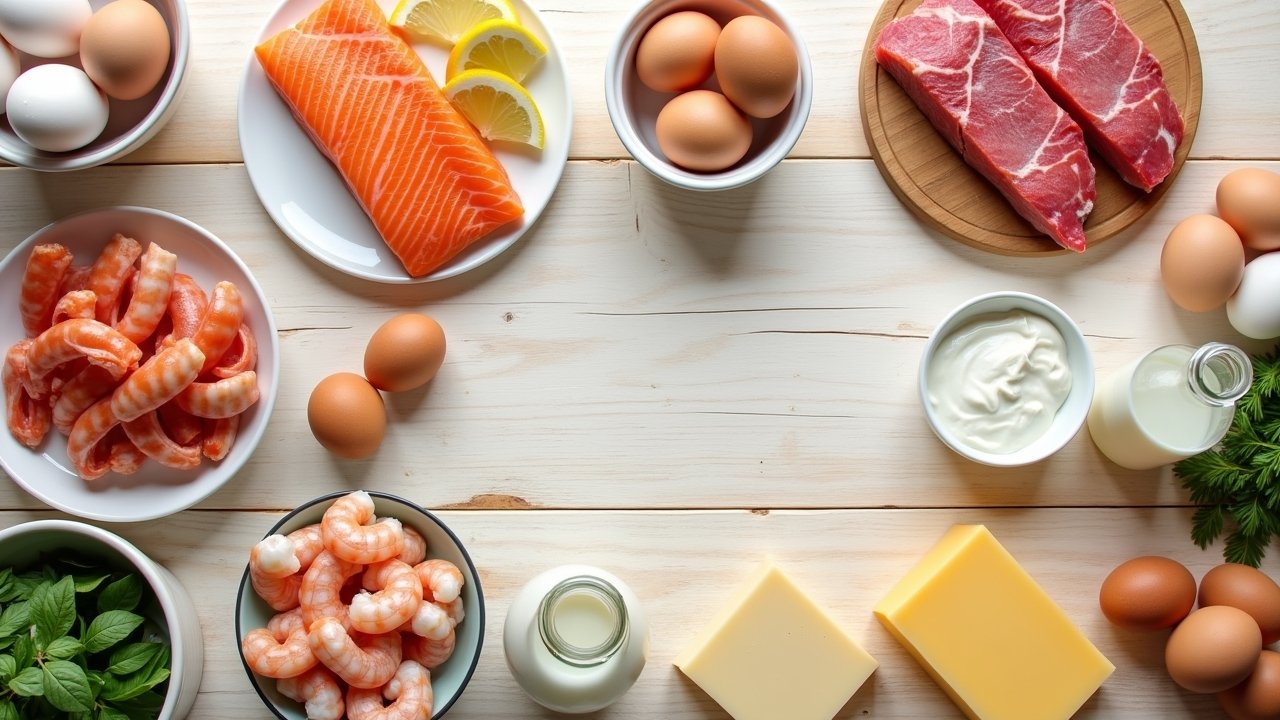
Let me start with the classics because honestly, these are what helped me turn things around. Chicken breast was my go-to for years, and there’s a reason why every fitness person on the planet talks about it – it’s got about 31 grams of protein per 100 grams and barely any fat.
But here’s where I messed up initially. I got so bored eating plain grilled chicken that I nearly gave up on the whole protein thing! The trick I learned was marinating it overnight with different spices and herbs. Game changer.
Eggs became my breakfast staple after that discovery. One large egg packs about 6 grams of complete protein, and the whole “eggs are bad for cholesterol” thing? Turns out newer research shows dietary cholesterol doesn’t affect blood cholesterol as much as we thought.
Fish and Seafood Options
Salmon changed everything for me, not gonna lie. It’s got around 25 grams of protein per 100 grams plus those omega-3 fatty acids everyone raves about. I remember the first time I baked salmon with just lemon and dill – I couldn’t believe something so simple tasted that good and was actually helping my muscles recover.
Tuna’s another solid choice, especially if you’re on a budget like I was when I first started paying attention to protein sources. Canned tuna became my lunch shortcut – throw it on a salad, mix it with some Greek yogurt instead of mayo, and boom, you’ve got yourself a high-protein meal in minutes.
Plant-Based Protein Sources That Actually Work
Now this is where things get interesting! I’ll be honest, I was skeptical about plant proteins at first because I grew up thinking you needed meat to build muscle. Boy, was I wrong about that.
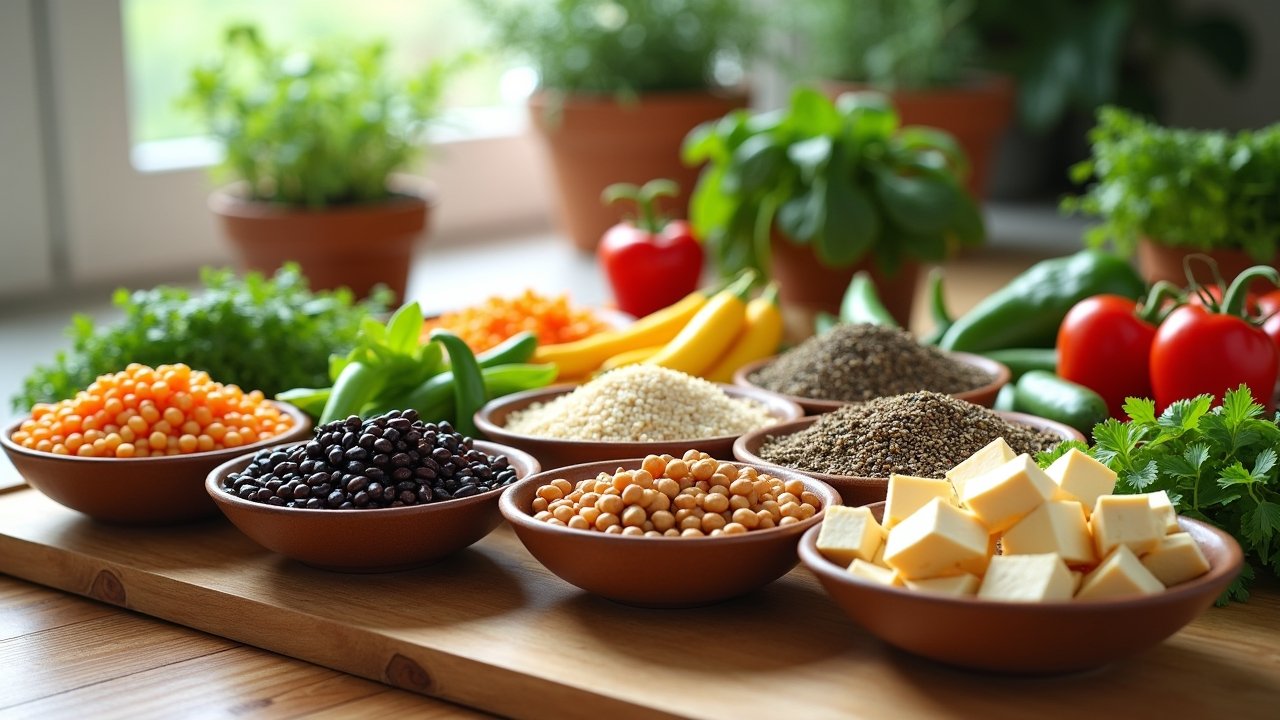
Lentils became my unexpected hero. One cup of cooked lentils has about 18 grams of protein plus fiber that keeps you full for hours. I started making huge batches of lentil soup on Sundays, and it was way easier on my wallet than buying chicken every week.
Chickpeas are another winner in my book. Roasted chickpeas make an awesome snack that doesn’t feel like diet food at all – they’re crunchy, satisfying, and pack about 15 grams of protein per cup.
Advertisements
Dairy Products for Protein Boost
Greek yogurt became my secret weapon, especially after workouts. Regular yogurt has some protein, sure, but Greek yogurt? We’re talking 15-20 grams per cup depending on the brand. I mix it with berries and a drizzle of honey, and it feels like dessert while actually helping my muscles repair themselves.
Cottage cheese gets a bad rap because of the texture, but hear me out. It’s got casein protein that digests slowly, which means it keeps feeding your muscles throughout the night. I started eating it before bed and noticed I wasn’t as sore the next morning after tough workouts.
Lesser-Known Protein Sources Worth Trying
Quinoa surprised me because it’s one of the few plant foods that’s a complete protein – meaning it has all nine essential amino acids your body can’t make on its own. I use it instead of rice now, and it’s got about 8 grams of protein per cup cooked.
Edamame (those green soybeans you get at Japanese restaurants) are fantastic too. Half a cup gives you 11 grams of protein, and they’re actually fun to eat! I keep frozen edamame in my freezer for quick snacks when I’m starving but don’t want to order takeout.
Practical Tips from My Journey
Here’s what I wish someone had told me from day one: meal prep is your best friend. I spent way too many months trying to figure out protein sources on the fly, and it was exhausting. Now I cook several protein sources on Sunday – some chicken, hard-boiled eggs, a pot of lentils – and my weekday meals basically assemble themselves.
Another thing – don’t obsess over getting “perfect” proteins at every single meal. Your body’s pretty smart about combining amino acids throughout the day. I used to stress about this constantly until my doctor explained that as long as you’re eating a variety of protein sources over the course of the week, you’re probably doing just fine.
Your Protein Journey Starts Now
Look, figuring out the best protein sources for your body takes some trial and error, and that’s totally okay. What works amazingly for me might not be your thing, and vice versa. The key is to experiment with different options until you find proteins you actually enjoy eating – because let’s be real, if you hate what you’re eating, you’re not gonna stick with it long-term.
Start by adding one or two new protein sources to your rotation this week and see how your body responds. Pay attention to how you feel, how satisfied you are after meals, and whether you’re hitting your energy levels throughout the day. And remember, combining different protein sources isn’t just okay – it’s actually beneficial for getting a complete amino acid profile!
Want more practical nutrition tips and fitness guidance that actually makes sense? Head over to Aerobic Atlas where we break down health and wellness topics without all the confusing jargon and impossible-to-follow advice. Trust me, there’s tons more helpful stuff waiting for you there!