Advertisements
I’ll never forget the day I stood in the supplement aisle at Whole Foods, completely baffled by two bottles that looked nearly identical. One said “probiotics” and the other said “prebiotics,” and honestly, I thought it was just a typo at first! Turns out, about 60% of people can’t tell the difference between these two gut health superheroes, and I was definitely part of that confused majority.
Understanding the difference between probiotics and prebiotics changed my whole approach to digestive health. These aren’t interchangeable terms – they’re actually two completely different things that work together like Batman and Robin for your gut.
What Probiotics Actually Do (And Why I Was Taking Them Wrong)
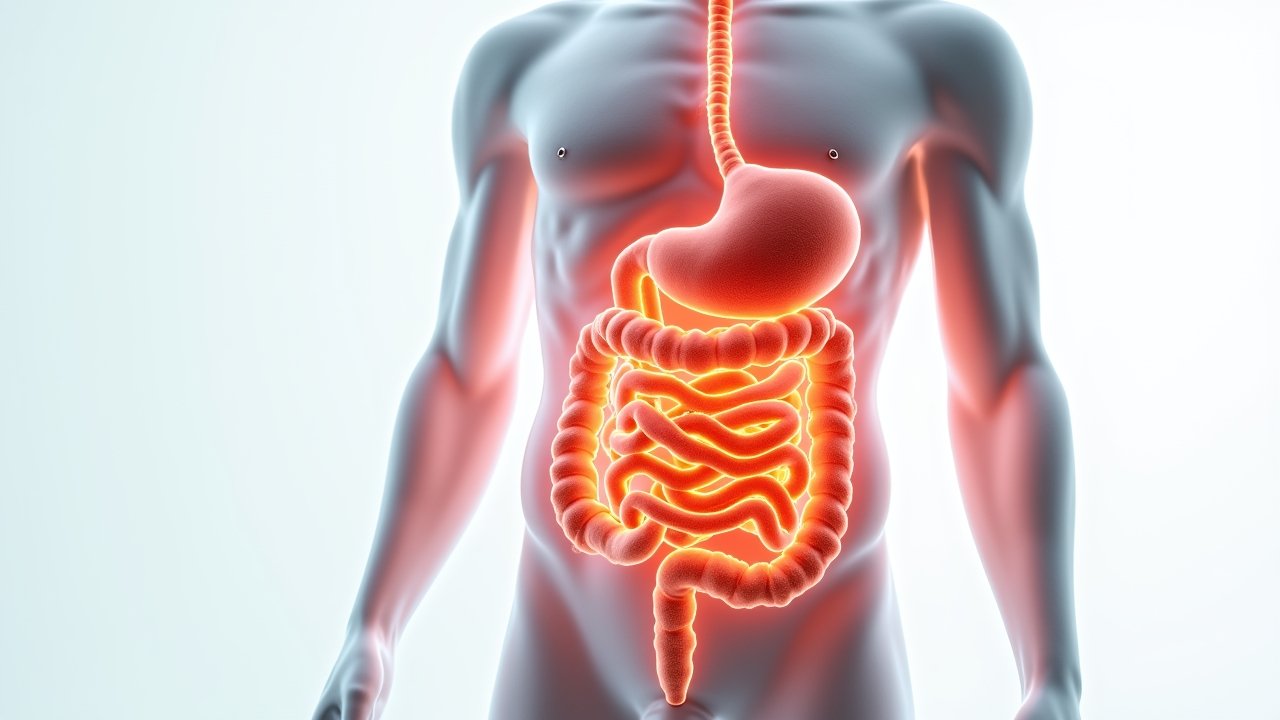
Probiotics are the live bacteria and yeasts that hang out in your digestive system, doing all kinds of amazing work. Think of them as the good guys – the beneficial microorganisms that keep your gut microbiome balanced and healthy.
I started taking probiotics after a nasty bout of food poisoning in 2019. My doctor recommended them to restore my gut flora, but here’s where I messed up – I was taking them with my morning coffee! The heat was literally killing these living organisms before they could even reach my intestines. Total facepalm moment when I learned that one.
You can find probiotics in fermented foods like yogurt, kefir, sauerkraut, and kimchi. They also come in supplement form, which is super convenient but can get pricey. According to Harvard Health, these beneficial bacteria help with digestion, immune function, and even mental health.
Prebiotics Are the Unsung Heroes Nobody Talks About
Now prebiotics? These are the special plant fibers that feed your probiotics. They’re basically food for the good bacteria already living in your gut.
I didn’t even know prebiotics existed until my nutritionist mentioned them during a check-up. She explained it like this: probiotics are the workers, but prebiotics are their lunch break. Without proper fuel, those beneficial bacteria can’t do their job effectively!
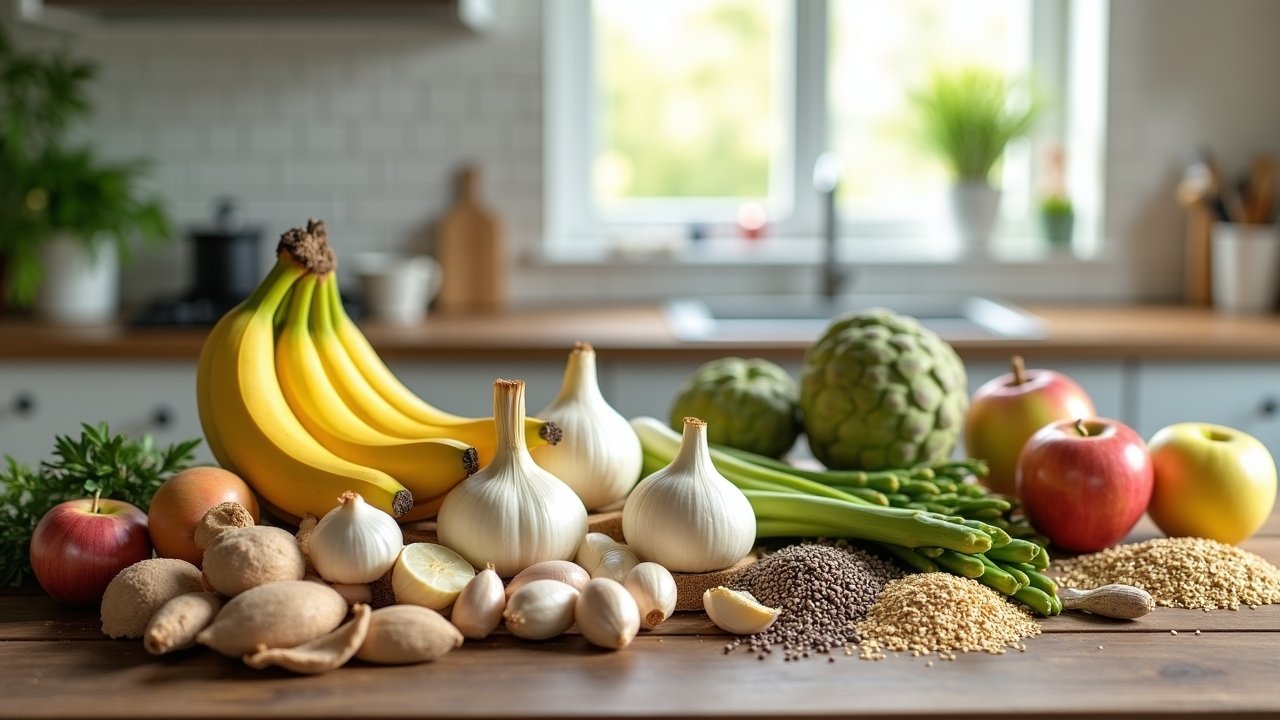
The cool thing about prebiotics is that they’re naturally found in foods you probably already eat. Bananas, onions, garlic, asparagus, and whole grains are loaded with these fermentable fibers. Unlike probiotics, prebiotics aren’t living organisms, so you don’t have to worry about storage temperature or expiration dates as much.
The Key Differences That Actually Matter
Let me break this down in a way that finally made sense to me after months of confusion:
Advertisements
- Probiotics are live microorganisms; prebiotics are non-digestible fiber compounds
- Probiotics add new bacteria to your gut; prebiotics feed the bacteria already there
- Probiotics can be sensitive to heat and stomach acid; prebiotics are more stable
- Probiotics need refrigeration sometimes; prebiotics usually don’t
The National Institutes of Health has done extensive research showing that both work best when used together. It’s not really a competition – they’re teammates!
My Personal Strategy That Actually Works
After way too much trial and error (and wasted money on supplements I was taking incorrectly), I’ve landed on a routine that’s been working great for about two years now.
I eat Greek yogurt with sliced bananas most mornings. The yogurt provides probiotics, while the bananas deliver prebiotics – it’s like a gut health power couple right there in my breakfast bowl. Sometimes I’ll throw in some granola made with whole oats for extra prebiotic fiber.
For supplements, I take a quality probiotic on an empty stomach about 30 minutes before dinner. This was a game-changer! Taking them before meals, when stomach acid is lower, means more of those beneficial bacteria actually survive the journey to my intestines.
Common Mistakes I See People Making
One of my coworkers was spending like $50 a month on fancy probiotic supplements but eating hardly any fiber. That’s basically throwing money down the drain because those probiotics had nothing to eat! Without prebiotics, the beneficial bacteria you’re adding can’t thrive or multiply.
Another mistake? Expecting overnight results. Your gut microbiome is complex, and it took time to get out of whack – it’ll take time to rebalance it too. I noticed real improvements in my digestion after about 4-6 weeks of consistent prebiotic and probiotic intake.
Finding Your Gut Health Sweet Spot
The whole probiotics versus prebiotics debate misses the point entirely – you need both for optimal digestive health! It’s taken me years to figure out what works for my body, and your journey might look totally different.
Start with whole foods first. Incorporate more fermented foods and fiber-rich vegetables into your diet before dropping serious cash on supplements. If you do decide to supplement, talk to your doctor first, especially if you have any existing health conditions or take medications.
Remember that gut health affects everything from your immune system to your mood, so it’s definitely worth paying attention to. If you found this helpful and want to dive deeper into wellness topics, check out more articles at Aerobic Atlas where we break down health and fitness concepts in ways that actually make sense!