
Advertisements
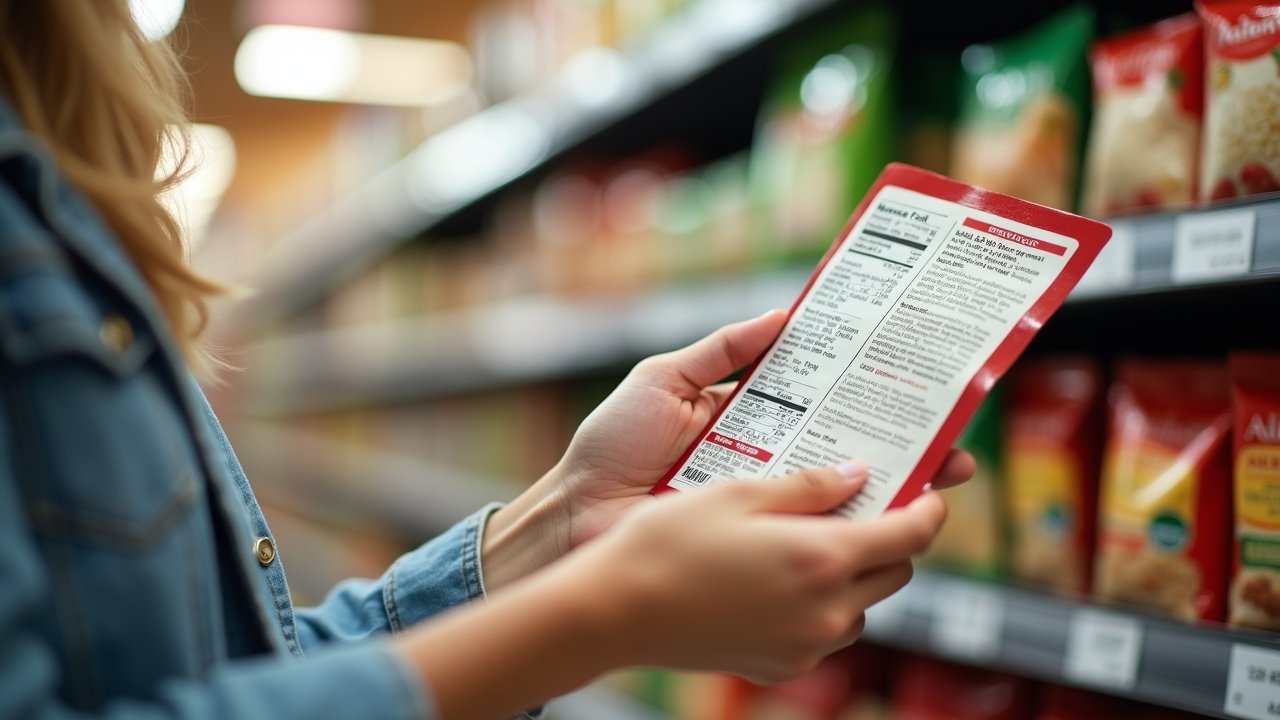
I’ll never forget standing in the cereal aisle at Target, squinting at a box of “healthy” granola that promised the world but delivered basically candy in disguise. That was my wake-up call! According to the FDA, most Americans make purchasing decisions based on food labels, yet so many of us don’t really understand what we’re reading. Learning to decode food labels changed how I shop, eat, and honestly, how I feel every single day.
The Nutrition Facts Panel Isn’t as Scary as It Looks
That big black-and-white box on the back of packages used to intimidate me. Now it’s like my best friend at the grocery store.
The first thing I always check is the serving size. This tripped me up for years! I remember thinking I was being super healthy eating an entire bag of “baked” chips, only to realize later that the bag contained like 2.5 servings. All those calories and sodium numbers? Yeah, multiply ’em all by 2.5. Oops.
The serving size is listed right at the top, and it tells you exactly how much of the product the nutrition information applies to. Sometimes it’s measured in cups, sometimes in grams, and occasionally in pieces.
Calories Matter, But They’re Not Everything
I used to obsess over calorie counting. Drove myself crazy, honestly.
While calories are important for weight management, I’ve learned that the quality of those calories matters way more than I thought. A 200-calorie snack of almonds fuels me totally different than a 200-calorie candy bar, even though the calorie count is identical. The nutrients that come with those calories make all the difference in how satisfied I feel and how long my energy lasts.
The American Heart Association recommends focusing on nutrient density rather than just calorie counts. That means looking at what else you’re getting alongside those calories.
Daily Value Percentages Are Your Quick Reference Guide
See those percentage numbers on the right side of the nutrition panel? Game changer!
The Daily Value (DV) percentages tell you how much of your recommended daily intake you’re getting from one serving. I use a simple rule that my nutritionist friend taught me: 5% or less is low, 20% or more is high. This works for everything from fiber to sodium to vitamins.
Advertisements
So if I’m looking at sodium and it says 35% DV, I know that’s pretty dang high for just one serving. On the flip side, if the fiber shows 18% DV, that’s a decent amount and probably gonna keep me full longer.
The Ingredient List Tells the Real Story
Here’s where things get interesting. The ingredients are listed by weight, from most to least.
If sugar (or one of its sneaky aliases like corn syrup, maltose, or dextrose) appears in the first three ingredients, you’re basically looking at a sugar bomb. I made this mistake with a “natural” protein bar that listed organic cane syrup as the second ingredient—it was essentially a candy bar with some protein powder thrown in!
I try to stick with products where I can pronounce most of the ingredients and actually know what they are. If the list reads like a chemistry experiment, I usually put it back on the shelf.
Watch Out for Marketing Tricks on the Front Label
The front of the package is basically advertising space, and companies use it brilliantly. Words like “natural,” “wholesome,” or “made with real fruit” don’t mean much legally.
I once bought crackers that screamed “MADE WITH WHOLE GRAINS” in huge letters. Turned out whole grain flour was the fifth ingredient, after enriched white flour and sugar. The actual whole grain content was minimal. That taught me to always flip to the back and read the actual ingredient list rather than trusting the marketing copy up front.
Added Sugars Versus Total Sugars
This distinction is super important and relatively new on labels. Total sugars include naturally occurring sugars (like lactose in milk or fructose in fruit) plus any sugars added during processing.
Added sugars are the ones you want to watch. These are sugars that aren’t naturally in the food—they’ve been dumped in to make stuff taste better. The American Heart Association suggests limiting added sugars to about 25 grams per day for women and 36 grams for men, but honestly, most packaged foods blow through that limit pretty quick.
Plain yogurt might have 12 grams of total sugar from lactose but zero added sugars, while flavored yogurt could have 25 grams total with 18 grams of that being added. Big difference in how your body processes them!
Your Personal Food Label Checklist
After years of trial and error, here’s my quick mental checklist when I’m shopping:
- Check the serving size first—always!
- Look for products with fiber (aim for at least 3 grams per serving)
- Keep added sugars under 10 grams per serving when possible
- Watch sodium levels, especially in processed foods
- Read the ingredient list and avoid stuff I can’t pronounce
- Don’t fall for front-label marketing hype
Making It Work in Real Life
Look, I’m not perfect with this stuff. Sometimes I grab whatever’s convenient or treat myself to something I know isn’t exactly health food. That’s totally fine—we’re all human!
But having the skill to actually understand what you’re putting in your body? That’s power. It lets you make informed choices rather than accidentally sabotaging your health goals because you believed some clever packaging. Start with one or two things from this article—maybe just checking serving sizes and added sugars—and build from there. Your future self will thank you, trust me on this one.
Want to keep leveling up your nutrition knowledge? Head over to Aerobic Atlas for more practical tips on living