Advertisements
Did you know that nearly 35% of adults don’t get enough sleep? I used to be one of them, tossing and turning until 2 AM like it was my job. It wasn’t until I started paying attention to what I ate before bed that things actually changed for me!
Look, I’m not gonna pretend I’m some sleep scientist or nutritionist. But after years of struggling with insomnia and trying everything from counting sheep to meditation apps, I finally discovered that my diet was sabotaging my sleep. Who knew that late-night pizza wasn’t helping, right?
The Foods That Actually Helped Me Sleep Better
So here’s the deal. I started keeping a food journal about three years ago, and honestly, it felt silly at first. But patterns started emerging pretty quickly.
Cherries: Nature’s Melatonin Bomb
I stumbled onto this one by accident. My neighbor gave me a bag of tart cherries from her tree, and I started snacking on them in the evening. Within a week, I was falling asleep faster than I had in months! Turns out, cherries are one of the few natural sources of melatonin, that hormone your body produces to regulate sleep.
Now I keep dried tart cherries in my pantry. A small handful about an hour before bed does the trick.
Almonds and Walnuts Changed Everything
Here’s where I made a mistake initially. I was eating like a whole cup of almonds before bed, thinking more was better. Yeah, that just gave me an upset stomach and kept me awake for different reasons entirely.
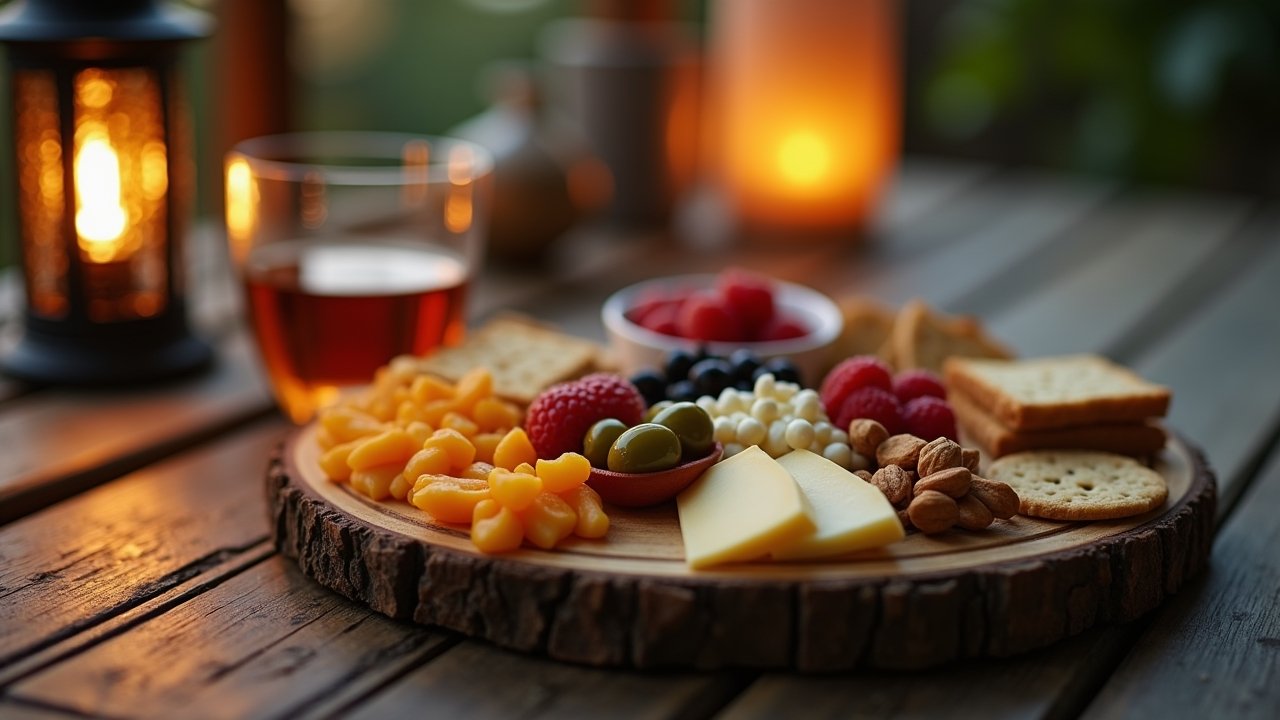
The sweet spot is about a quarter cup of nuts. Both almonds and walnuts contain magnesium and tryptophan, which your body needs for quality sleep. I usually mix them together and keep a small container on my nightstand.
Fatty Fish for Deep Sleep
This one surprised me. I started eating salmon or mackerel for dinner a couple times a week, and my sleep quality improved noticeably. These fish are packed with vitamin D and omega-3 fatty acids, which help regulate serotonin.
I’m not saying you need fancy salmon every night—even canned sardines work! I know, sardines sound gross, but trust me on this one.
Advertisements
The Drinks That Actually Work
Coffee after 2 PM was my biggest enemy. Took me way too long to figure that out, honestly.
Chamomile Tea (Yeah, It’s Cliché for a Reason)
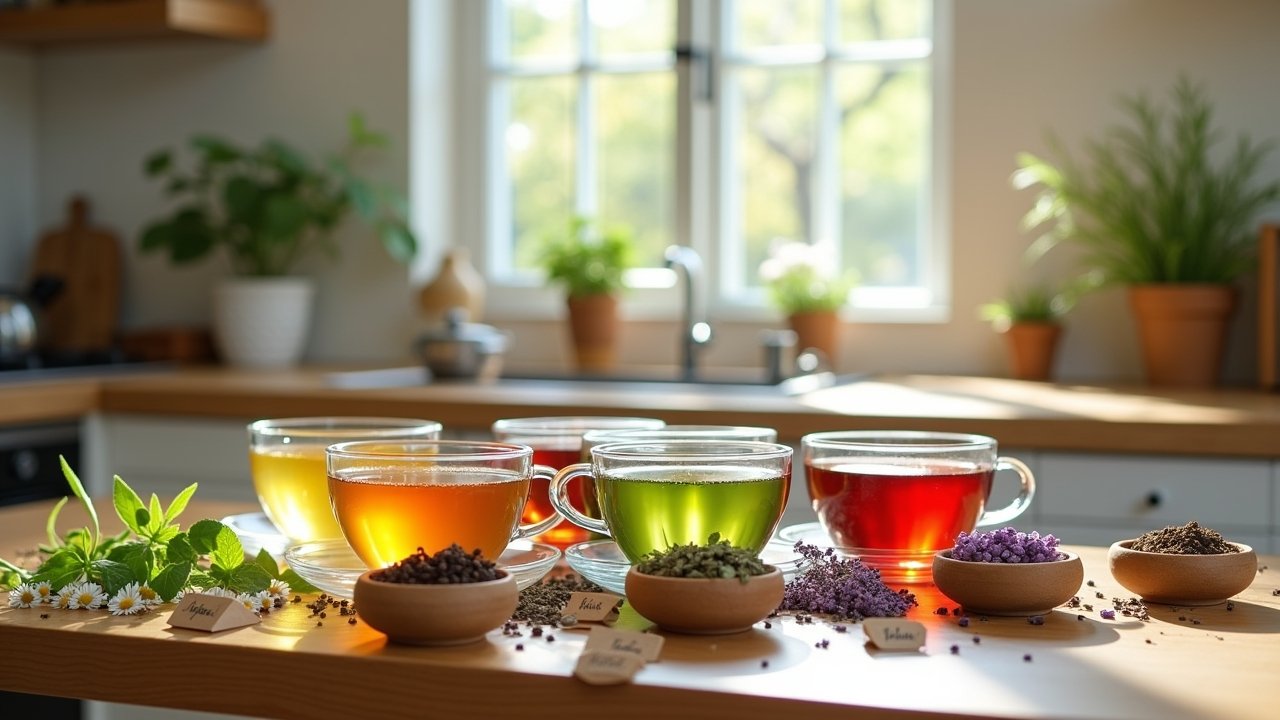
I used to roll my eyes at people who swore by chamomile tea. Then I actually tried it consistently for two weeks. The stuff contains apigenin, an antioxidant that binds to receptors in your brain that promote sleepiness.
Now I brew a cup every night around 9 PM. It’s become this ritual that signals to my brain that bedtime is coming.
Warm Milk Isn’t Just Old Wives’ Tales
My grandmother was right all along! Warm milk contains tryptophan and calcium, which helps your brain use that tryptophan to manufacture melatonin. Sometimes I add a tiny bit of honey for taste.
What I Learned to Avoid
Here’s the stuff that kept me up, even though I didn’t realize it at the time:
- Spicy foods within three hours of bedtime (learned this the hard way after some killer Thai food)
- Large meals right before bed—your body is too busy digesting to focus on sleeping
- Anything with caffeine after lunch, including chocolate (yeah, that one hurt)
- Alcohol—it might make you drowsy initially, but it totally messes with your sleep cycles
Putting It All Together
Listen, I’m not perfect. Some nights I still eat pizza at 10 PM and pay for it later. But most nights, my routine looks something like this: dinner with some fatty fish or chicken, a small handful of nuts around 8 PM, and chamomile tea before bed.
The key thing I learned was timing. Eating these sleep-promoting foods consistently and at the right times made all the difference. It’s not like taking a sleeping pill where you notice results immediately—it took about two weeks before I saw real improvements.
Your Sleep Journey Starts in the Kitchen
Here’s the thing about better sleep: it’s not just about one magic food or drink. It’s about creating patterns and being consistent with them. What works for me might need tweaking for you, and that’s totally okay!
Start by adding one or two of these foods to your evening routine and see how your body responds. Keep track of what works and what doesn’t. And remember, if you’re dealing with serious sleep issues, definitely talk to your doctor—food can help, but it’s not a cure-all for underlying sleep disorders.
Want more tips on living a healthier lifestyle? Head over to Aerobic Atlas where we’ve got tons of articles about fitness, nutrition, and wellness that actually make sense for real people like us. No fancy equipment required, no impossible standards—just practical advice from folks who’ve been there!