
Advertisements
Did you know that people who wear fitness trackers walk an average of 2,500 more steps per day than those who don’t? That’s like an extra mile without even thinking about it! I stumbled on this fact after I got my first smartwatch back in 2019, and honestly, it changed everything about how I approached staying active.
Look, I’ll be real with you – choosing a fitness wearable can feel overwhelming as heck. There’s so many options out there, and I totally bought the wrong one my first time around. Ended up with this bulky thing that I never wore because it looked like I strapped a small computer to my wrist. But after years of trial and error, I’ve figured out what actually matters when picking one of these gadgets.
Understanding What Fitness Wearables Actually Do
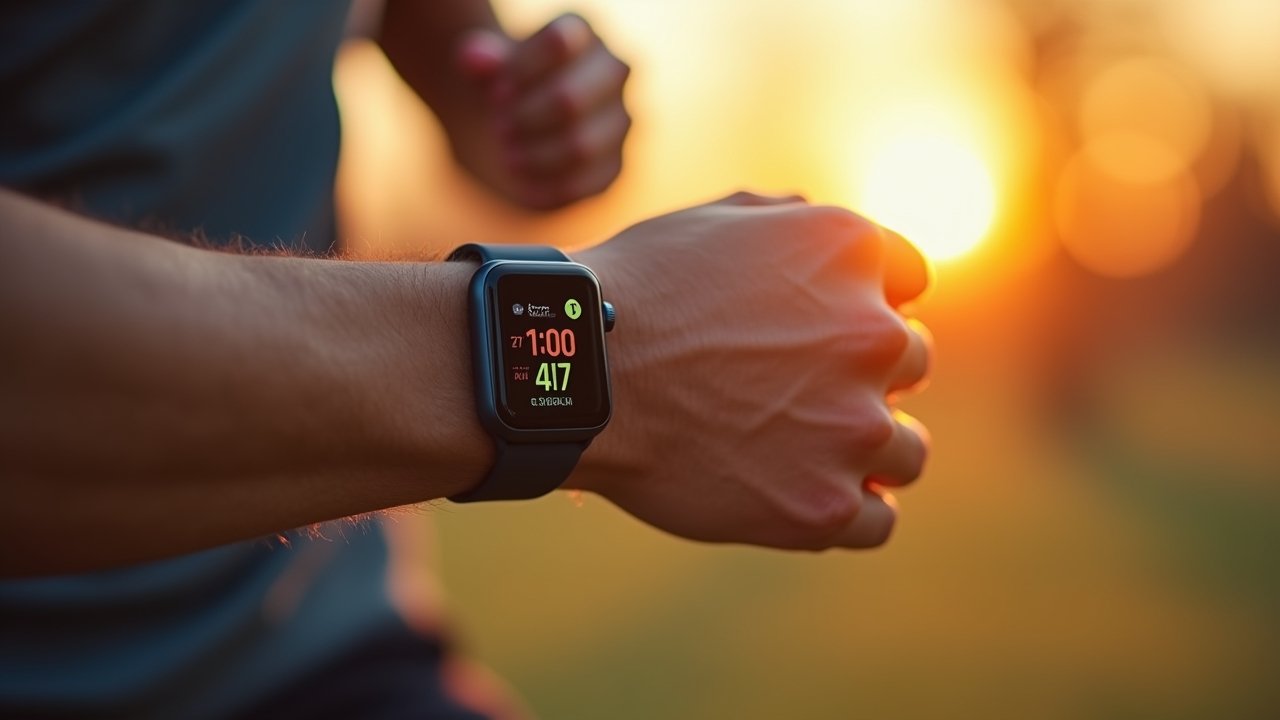
Fitness trackers and smartwatches are basically tiny computers that monitor your body’s activities throughout the day. They track stuff like steps, heart rate, calories burned, and sleep patterns. Some even measure blood oxygen levels and stress – pretty wild when you think about it.
The most common types you’ll see are basic fitness bands, full-featured smartwatches, and specialized sports watches for serious athletes. Each one serves different needs, which is something I wish someone had told me before I dropped $400 on that first watch.
Key Features You Should Actually Care About
Battery life matters way more than you’d think! My biggest mistake was getting a watch that needed charging every single day. I’d forget to charge it, then it’d die during my morning workout, and I’d lose all that data. Now I stick with devices that last at least 5-7 days.
Here’s what I’ve learned to prioritize:
- Heart rate monitoring (continuous is better than periodic)
- Water resistance if you swim or sweat heavily
- GPS tracking for outdoor activities
- Sleep tracking features
- App compatibility with your phone
The GPS thing tripped me up once. I bought a cheaper model without built-in GPS, thinking I could just use my phone. But carrying your phone during runs gets annoying real quick, trust me on that one.
Popular Brands and What They’re Good For
Apple Watch dominates if you’re in the iPhone ecosystem. It’s got tons of features, looks pretty sleek, and the fitness tracking is solid. The downside? That battery life I mentioned earlier – you’re charging it daily.
Garmin watches are where it’s at for serious runners and athletes. They last forever on a single charge and have incredibly detailed metrics. I switched to a Garmin after my marathon training started, and the advanced running dynamics were eye-opening.
Advertisements
Fitbit offers great options for beginners who don’t want to spend a fortune. Their app is super user-friendly, which my mom appreciated when I got her one for her birthday. She’s 67 and figured it out in like ten minutes.
Matching Your Wearable to Your Fitness Goals
If you’re just trying to get more active and maybe lose some weight, a basic fitness tracker is probably enough. You don’t need all the bells and whistles – just something that counts steps and reminds you to move.
For gym rats and CrossFit enthusiasts, you’ll want something that can track different workout types and has good durability. I learned this the hard way when I cracked my first watch doing burpees. The screen just… shattered. Not my finest moment.
Runners and cyclists should invest in devices with accurate GPS and advanced metrics like VO2 max, cadence, and heart rate zones. These features actually help you train smarter instead of just harder, which is something I wish I’d understood years ago.
Setting Up Your Device for Success
Once you get your fitness wearable, don’t just slap it on and go! Take time to set it up properly. Input your accurate height, weight, age, and activity level – the algorithms need this info to give you good data.
Wear it consistently, especially at night if you want sleep tracking. I got lazy about this and would take mine off before bed, then wonder why my sleep stats were all messed up. Duh, right?
Also, sync it regularly with your phone. The data gets more useful when you can see trends over time, and some features won’t work right if you don’t sync often enough.
Common Pitfalls to Avoid
Don’t obsess over every single metric! I went through this phase where I was checking my steps like every hour, getting stressed if I wasn’t “on pace” for my daily goal. That’s not healthy, and it kinda defeats the purpose of trying to feel better.
Another thing – the calorie counts aren’t perfect. They’re estimates based on algorithms, so don’t use them as an excuse to eat a whole pizza because your watch says you burned 800 calories. Been there, done that, regretted it.
And please, don’t compare your stats to other people’s. Everyone’s body is different, and what matters is your own progress over time, not beating your buddy’s step count.
Your Next Steps on This Fitness Journey
Fitness wearables are awesome tools, but they’re just that – tools. They work best when you actually pay attention to what they’re telling you and use that information to make better choices. Start with a device that fits your budget and goals, wear it consistently, and give yourself time to learn what all those numbers mean.
Remember, the best fitness tracker is the one you’ll actually wear! Don’t get caught up in having the fanciest model if a simpler one will do the job. And hey, be patient with yourself as you figure this stuff out – it took me literally three different devices before I found my perfect match.
Want more tips on staying active and crushing your fitness goals? Head over to Aerobic Atlas for more articles that’ll help you on your journey. We’ve got tons of practical advice that actually works in real life!